

How to reduce the production cost of High Carbon Ferro Manganese?
As a supplier of High Carbon Ferro Manganese, I understand the significance of cost - reduction in the production process. High Carbon Ferro Manganese is a crucial alloy used in the steelmaking industry, and reducing its production cost can enhance our competitiveness in the market. In this blog, I will share some effective strategies to achieve this goal.
1. Optimize Raw Material Procurement
Raw materials account for a significant portion of the production cost of High Carbon Ferro Manganese. Therefore, optimizing raw material procurement is the first step towards cost - reduction.
Select High - Quality and Cost - Effective Raw Materials
When sourcing raw materials such as manganese ore, coke, and fluxes, we should not only focus on quality but also on cost. We need to establish long - term relationships with reliable suppliers who can offer high - quality raw materials at competitive prices. For example, by negotiating long - term contracts, we can lock in favorable prices and ensure a stable supply of raw materials.
Moreover, we can explore alternative raw materials. For instance, some low - grade manganese ores may be available at a lower cost. With the development of technology, we can use advanced beneficiation methods to upgrade these low - grade ores to meet the production requirements. This can significantly reduce the raw material cost.
Improve Inventory Management
Effective inventory management is also essential. Excessive inventory can tie up a large amount of capital and increase storage costs, while insufficient inventory may lead to production disruptions. We should establish a scientific inventory management system based on production plans and market demand forecasts. By accurately predicting the demand for raw materials, we can maintain an appropriate inventory level, reducing the cost associated with inventory holding.
2. Enhance Production Process Efficiency
Improving the efficiency of the production process is another key aspect of reducing production costs.
Upgrade Production Equipment
Outdated production equipment often has low efficiency and high energy consumption. We should regularly evaluate our production equipment and invest in modern and advanced equipment. For example, using more efficient furnaces can improve the smelting efficiency of High Carbon Ferro Manganese. New - type furnaces can have better heat - preservation performance, reducing heat loss during the smelting process and thus saving energy.
In addition, advanced automation equipment can be introduced to improve the production accuracy and reduce labor costs. Automated control systems can precisely control the production parameters such as temperature, pressure, and feeding rate, improving the quality and yield of the products.
Optimize Smelting Process Parameters
The smelting process of High Carbon Ferro Manganese is complex, and optimizing the process parameters can improve the production efficiency and reduce costs. We need to conduct in - depth research on the smelting process, such as adjusting the ratio of raw materials, optimizing the smelting temperature and time. By continuously experimenting and analyzing, we can find the optimal process parameters that can maximize the utilization of raw materials and reduce energy consumption.
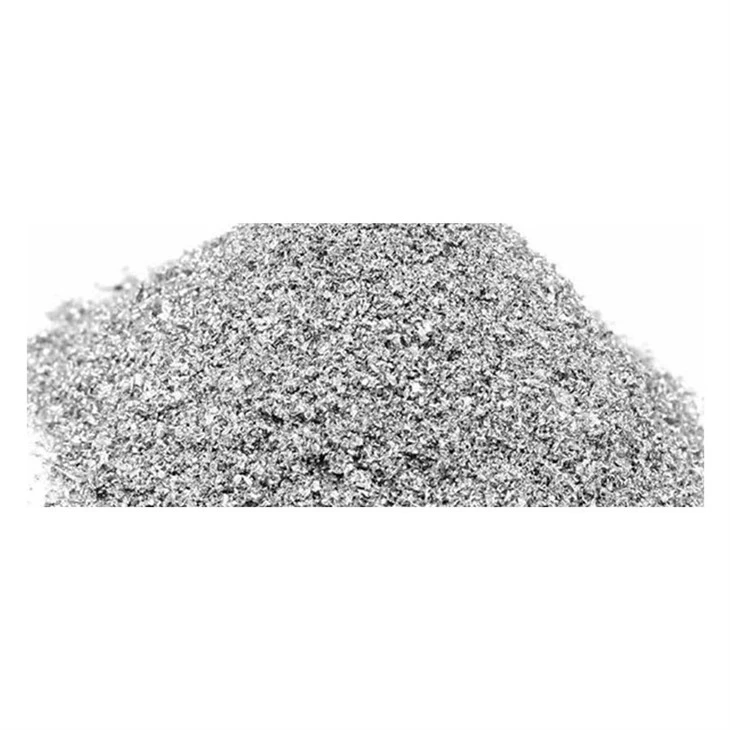
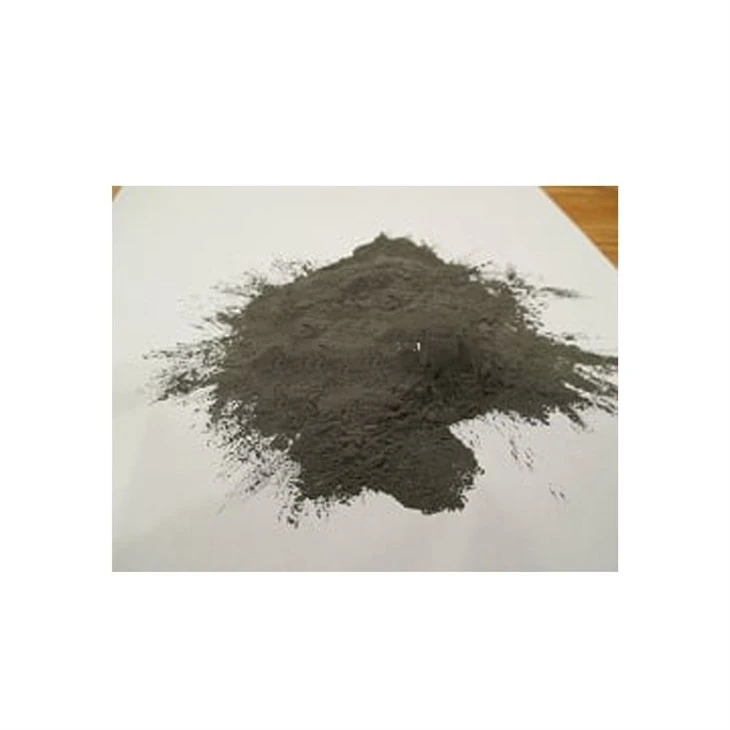
For example, in the smelting process, adding appropriate additives can improve the fluidity of the molten metal and enhance the separation of slag and metal, which is beneficial to improving the yield of High Carbon Ferro Manganese. Some common additives include Magnesium Metal Powder (20 Mesh), 99.8%, Aluminium Magnesium Alloy Powder, and Ferrosilicon. These additives can react with impurities in the molten metal, promoting the purification of the alloy and improving the quality of the final product.
3. Reduce Energy Consumption
Energy consumption is a major cost item in the production of High Carbon Ferro Manganese. Reducing energy consumption can significantly reduce the production cost.
Implement Energy - Saving Measures
We can adopt a series of energy - saving measures in the production process. For example, installing waste heat recovery systems can recover the waste heat generated during the smelting process and convert it into useful energy, such as steam or electricity. This recovered energy can be reused in the production process, reducing the demand for external energy sources.
In addition, improving the insulation of production equipment can reduce heat loss. Using high - quality insulation materials for furnaces and pipelines can keep the heat inside the system, reducing the energy required to maintain the production temperature.
Optimize Production Scheduling
Proper production scheduling can also contribute to energy savings. We can arrange the production tasks in a way that maximizes the continuous operation of the production equipment. Intermittent operation of equipment often requires more energy for startup and shutdown. By ensuring continuous production, we can reduce the energy consumption per unit of product.
4. Quality Control and Waste Reduction
Maintaining high - quality products and reducing waste are important for cost - reduction.
Strengthen Quality Control
Strict quality control can prevent the production of sub - standard products. Sub - standard products not only waste raw materials and energy but also may lead to additional costs for rework or disposal. We should establish a comprehensive quality control system, from raw material inspection to the final product testing. By ensuring that every step of the production process meets the quality requirements, we can improve the overall quality of the products and reduce the cost associated with poor quality.
Minimize Waste Generation
In the production process, waste is inevitable. However, we can take measures to minimize waste generation. For example, recycling and reusing the waste materials generated during the production process can reduce the consumption of new raw materials. Slag generated during the smelting process can be processed and used as a raw material for other industries, such as building materials.
5. Staff Training and Management
Well - trained and motivated staff are crucial for the cost - effective production of High Carbon Ferro Manganese.
Provide Staff Training
Regular staff training can improve the skills and knowledge of employees. Training programs can cover various aspects, such as production process operation, equipment maintenance, and quality control. By enhancing the professional capabilities of employees, we can improve the production efficiency and reduce the occurrence of production accidents, which in turn can reduce costs.
Establish an Incentive Mechanism
An effective incentive mechanism can motivate employees to actively participate in cost - reduction activities. We can set up performance - based incentives, rewarding employees who contribute to cost - reduction, such as those who come up with innovative ideas for energy - saving or waste - reduction. This can create a positive work atmosphere and encourage employees to work towards the common goal of cost - reduction.
In conclusion, reducing the production cost of High Carbon Ferro Manganese requires a comprehensive approach, covering raw material procurement, production process optimization, energy management, quality control, and staff management. By implementing these strategies, we can not only reduce the production cost but also improve the quality and competitiveness of our products in the market.
If you are interested in our High Carbon Ferro Manganese products or want to discuss more about cost - effective production solutions, please feel free to contact us for procurement negotiations. We are looking forward to establishing a long - term and mutually beneficial cooperation with you.
References
- Jones, A. (2018). Cost - reduction strategies in the alloy production industry. Metal Industry Journal, 25(3), 45 - 52.
- Smith, B. (2019). Energy - saving technologies in ferroalloy smelting. Energy Research Review, 32(2), 67 - 74.
- Wilson, C. (2020). Quality control and waste management in alloy production. Manufacturing Quality Magazine, 18(4), 33 - 40.