

How to teach Alloy to beginners?
Hey there! If you're new to the world of alloys and looking to learn the ropes, you've come to the right place. As an alloy supplier, I've seen firsthand how confusing it can be for beginners to wrap their heads around all the different types of alloys, their properties, and how to work with them. That's why I'm here to share some tips on how to teach Alloy to beginners in a way that's easy to understand and fun to learn.
Start with the Basics
Before diving into the more complex aspects of Alloy, it's important to start with the basics. This means explaining what an alloy is, how it's made, and why it's used. An alloy is a mixture of two or more metals, or a metal and a non-metal, that has been combined to create a new material with unique properties. Alloys are used in a wide range of industries, from aerospace and automotive to construction and electronics, because they offer improved strength, durability, and corrosion resistance compared to pure metals.
To make an alloy, the metals are melted together in a furnace and then cooled to form a solid. The resulting alloy can have different properties depending on the types and proportions of metals used. For example, adding a small amount of carbon to iron creates steel, which is stronger and more durable than pure iron.
Use Real-World Examples
One of the best ways to teach Alloy to beginners is to use real-world examples. This helps them understand how alloys are used in everyday life and why they're important. For example, you could talk about how aluminum alloys are used in the construction of airplanes because they're lightweight and strong, or how copper alloys are used in electrical wiring because they're good conductors of electricity.
You could also bring in samples of different alloys and let beginners handle them to get a feel for their properties. This can help them understand the differences between alloys and pure metals and how the properties of an alloy can vary depending on its composition.
Explain the Properties of Alloys
Once beginners have a basic understanding of what an alloy is and how it's made, it's time to start explaining the properties of alloys. This includes things like strength, hardness, ductility, and corrosion resistance. You can use visual aids, such as charts and graphs, to help illustrate these properties and make them easier to understand.
For example, you could show a graph that compares the strength of different alloys to pure metals. This can help beginners see how adding other metals to a pure metal can improve its strength. You could also talk about how the hardness of an alloy can be increased by adding certain elements, such as carbon or chromium.
Teach Alloy Design
Another important aspect of teaching Alloy to beginners is teaching them how to design alloys. This involves understanding the properties of different metals and how they interact with each other to create a new material with the desired properties. You can start by teaching beginners the basics of alloy design, such as how to choose the right metals and proportions to achieve a specific property.
For example, if you want to create an alloy with high strength and good corrosion resistance, you might choose to use a combination of aluminum, copper, and magnesium. You could then explain how the proportions of these metals can be adjusted to achieve the desired properties.
Provide Hands-On Experience
Finally, one of the best ways to teach Alloy to beginners is to provide them with hands-on experience. This can involve things like melting and casting alloys, or working with alloy samples in a laboratory setting. Hands-on experience helps beginners understand how alloys are made and how their properties can be tested and measured.

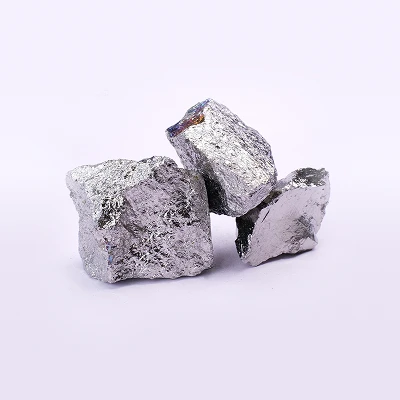
You could also encourage beginners to experiment with different alloys and see how they behave under different conditions. This can help them develop a better understanding of the properties of alloys and how they can be used in different applications.
Resources for Learning Alloy
If you're looking for more resources to help teach Alloy to beginners, there are plenty of great options available. Here are a few suggestions:
- Online Courses: There are many online courses available that teach the basics of Alloy. These courses can be a great way to learn at your own pace and from the comfort of your own home.
- Books: There are also many books available on the subject of Alloy. These books can provide a more in-depth look at the properties and applications of alloys.
- Industry Associations: Many industry associations offer resources and training programs for people interested in learning about alloys. These associations can be a great way to connect with other professionals in the field and learn from their experiences.
Conclusion
Teaching Alloy to beginners can be a challenging but rewarding experience. By starting with the basics, using real-world examples, explaining the properties of alloys, teaching alloy design, and providing hands-on experience, you can help beginners develop a better understanding of alloys and how they're used in different applications.
If you're interested in learning more about alloys or are looking to purchase alloy products, please don't hesitate to contact us. We're a leading alloy supplier and can provide you with high-quality alloy products at competitive prices. We look forward to hearing from you!
References
- ASM Handbook, Volume 2: Properties and Selection: Nonferrous Alloys and Special-Purpose Materials
- Metals Handbook: Properties and Selection: Irons, Steels, and High-Performance Alloys
- The Science and Engineering of Materials, by Donald Askeland and Pradeep Fulay