

Is brown aluminum oxide for refractory resistant to chemical corrosion?
Brown aluminum oxide is a widely used material in the refractory industry due to its excellent physical and chemical properties. As a leading supplier of brown aluminum oxide for refractory applications, I am often asked about its resistance to chemical corrosion. In this blog post, I will delve into the science behind brown aluminum oxide's chemical resistance, its performance in various environments, and how it compares to other refractory materials.
Understanding Brown Aluminum Oxide
Brown aluminum oxide, also known as brown fused alumina, is produced by fusing bauxite, anthracite, and iron filings in an electric arc furnace at high temperatures. This process results in a hard, tough, and wear-resistant material with a high alumina content (usually around 95%). The brown color is due to the presence of impurities such as titanium dioxide and iron oxide.
The unique crystal structure of brown aluminum oxide gives it excellent mechanical properties, making it suitable for use in refractory applications where high strength and abrasion resistance are required. Additionally, its high melting point (around 2050°C) and low thermal expansion coefficient make it stable at high temperatures, reducing the risk of cracking and spalling.
Chemical Resistance of Brown Aluminum Oxide
One of the key factors determining the suitability of a refractory material for a particular application is its resistance to chemical corrosion. Chemical corrosion can occur when the refractory material comes into contact with aggressive substances such as acids, alkalis, and molten metals. The ability of brown aluminum oxide to withstand these corrosive environments depends on several factors, including its chemical composition, crystal structure, and the nature of the corrosive agent.
Resistance to Acidic Environments
Brown aluminum oxide exhibits good resistance to most acids, especially at low temperatures. The high alumina content in brown aluminum oxide forms a protective layer on the surface, which inhibits the penetration of acid molecules. However, in highly acidic environments or at elevated temperatures, the protective layer may break down, leading to corrosion.
For example, in the presence of strong acids such as hydrochloric acid (HCl) or sulfuric acid (H₂SO₄), the alumina in brown aluminum oxide can react with the acid to form soluble aluminum salts. The rate of corrosion depends on the concentration of the acid, the temperature, and the exposure time. In general, brown aluminum oxide is more resistant to dilute acids than concentrated acids.
Resistance to Alkaline Environments
Brown aluminum oxide also shows good resistance to alkaline environments. The alumina in brown aluminum oxide can react with alkalis to form aluminates, which are relatively stable compounds. However, in highly alkaline environments or at high temperatures, the corrosion rate may increase.
For instance, in the presence of strong alkalis such as sodium hydroxide (NaOH) or potassium hydroxide (KOH), the alumina in brown aluminum oxide can react with the alkali to form soluble sodium or potassium aluminates. The rate of corrosion depends on the concentration of the alkali, the temperature, and the exposure time. Similar to acidic environments, brown aluminum oxide is more resistant to dilute alkalis than concentrated alkalis.
Resistance to Molten Metals
In addition to acids and alkalis, brown aluminum oxide is also used in applications where it comes into contact with molten metals. The resistance of brown aluminum oxide to molten metals depends on the type of metal and the temperature.
For example, brown aluminum oxide has good resistance to molten aluminum and its alloys. The alumina in brown aluminum oxide forms a protective layer on the surface, which prevents the molten aluminum from wetting and penetrating the refractory material. However, in the presence of molten iron or steel, the corrosion rate may be higher due to the reaction between the alumina and the iron or steel.
Comparison with Other Refractory Materials
To better understand the chemical resistance of brown aluminum oxide, it is useful to compare it with other commonly used refractory materials. Here are some comparisons with Electrocarb Black Silicon Carbide, Electric Melt Mullite, and White Corundum_white Corundum Powder.
Electrocarb Black Silicon Carbide
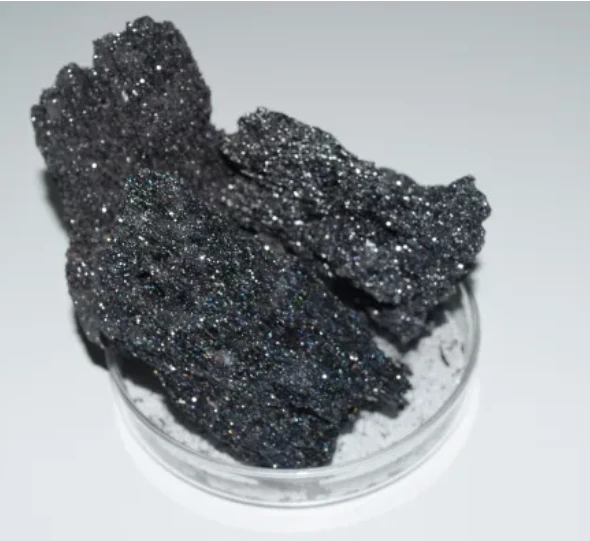
Electrocarb black silicon carbide is a highly refractory material with excellent thermal conductivity and chemical resistance. It is particularly resistant to corrosion by molten metals and slags. Compared to brown aluminum oxide, silicon carbide has a higher resistance to oxidation and can withstand higher temperatures. However, silicon carbide is more expensive than brown aluminum oxide and may not be suitable for all applications.
Electric Melt Mullite
Electric melt mullite is a synthetic refractory material with a high alumina and silica content. It has good thermal stability, low thermal expansion, and excellent resistance to thermal shock. Mullite is also resistant to corrosion by acids and alkalis, but its resistance to molten metals is relatively lower than that of brown aluminum oxide. Mullite is often used in applications where high strength and thermal shock resistance are required.

White Corundum_white Corundum Powder
White corundum is a high-purity aluminum oxide material with a white color. It has excellent hardness, abrasion resistance, and chemical purity. White corundum is more resistant to chemical corrosion than brown aluminum oxide, especially in acidic and alkaline environments. However, white corundum is more expensive than brown aluminum oxide and may not be necessary for all applications.
Applications of Brown Aluminum Oxide in Refractory Industry
Due to its combination of good mechanical properties and chemical resistance, brown aluminum oxide is widely used in various refractory applications. Some of the common applications include:
- Foundry Industry: Brown aluminum oxide is used in the production of foundry molds and cores. Its high strength and abrasion resistance make it suitable for withstanding the high temperatures and mechanical stresses during the casting process.
- Ceramic Industry: In the ceramic industry, brown aluminum oxide is used as a raw material for the production of ceramic tiles, sanitary ware, and other ceramic products. Its high melting point and chemical stability ensure the quality and durability of the ceramic products.
- Steel Industry: Brown aluminum oxide is used in the lining of steelmaking furnaces, ladles, and tundishes. Its resistance to molten steel and slag helps to extend the service life of the refractory lining and improve the efficiency of the steelmaking process.
- Petrochemical Industry: In the petrochemical industry, brown aluminum oxide is used in the construction of reactors, furnaces, and other equipment. Its resistance to high temperatures and chemical corrosion makes it suitable for handling aggressive chemicals and high-temperature processes.
Conclusion
In conclusion, brown aluminum oxide is a versatile refractory material with good resistance to chemical corrosion in many environments. Its high alumina content, unique crystal structure, and excellent mechanical properties make it suitable for a wide range of refractory applications. However, its chemical resistance may vary depending on the specific corrosive environment, temperature, and exposure time.
When selecting a refractory material for a particular application, it is important to consider the chemical composition, physical properties, and cost of the material. In some cases, a combination of different refractory materials may be used to achieve the best performance.
As a supplier of brown aluminum oxide for refractory applications, I am committed to providing high-quality products and technical support to our customers. If you are interested in learning more about our brown aluminum oxide products or have any questions about their chemical resistance, please feel free to contact us for further discussion and procurement negotiation.
References
- "Refractories Handbook" by R. Warren Smith
- "High-Temperature Materials and Technology" by David J. Green and Peter N. Lee
- "Ceramics: Science and Technology" by Ulrich B. K. Saar and Helmut Hausner