

Is brown aluminum oxide for refractory suitable for all types of refractories?
Is brown aluminum oxide for refractory suitable for all types of refractories? That's a question I get asked a lot as a supplier of Brown Aluminum Oxide For Refractory. Let's dig into this topic and see what we can find out.
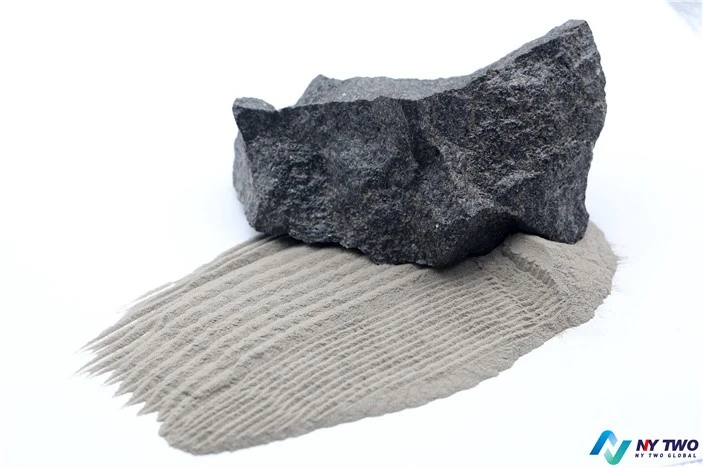
First off, let's talk a bit about brown aluminum oxide for refractory. It's a super - popular material in the refractory industry. Brown aluminum oxide is made by smelting bauxite in an electric arc furnace. The result is a tough, wear - resistant material with high refractoriness. It has a good combination of hardness, strength, and thermal stability, which makes it a great candidate for refractory applications.
Now, there are many different types of refractories out there. We've got acidic refractories, basic refractories, and neutral refractories. Each type has its own unique properties and requirements.
Let's start with acidic refractories. These are mainly made of silica and are used in environments where they'll be exposed to acidic gases or slags. Brown aluminum oxide is generally quite compatible with acidic refractories. Its high alumina content gives it a certain degree of chemical stability against acids. It can enhance the strength and wear resistance of acidic refractories. For example, in some glass - melting furnaces where acidic conditions are present, brown aluminum oxide can be added to the refractory lining to improve its performance. You can find more about related refractory materials like High Alumina Cement CA80 which can also be used in combination with brown aluminum oxide for better results.
Next up are basic refractories. These are made of materials like magnesia and dolomite and are used in high - temperature environments with basic slags, such as in steel - making furnaces. Brown aluminum oxide is a bit of a mixed bag here. While it has high refractoriness, its chemical nature is not as basic as the main components of basic refractories. In some cases, it can react with the basic components under certain high - temperature and long - term exposure conditions. However, in some less extreme basic refractory applications, it can still be used. You might want to adjust the amount of brown aluminum oxide added to the refractory mix to avoid unwanted chemical reactions.
Then we have neutral refractories. These include materials like chromite and graphite. Neutral refractories are used in environments where the chemical nature of the surroundings can vary. Brown aluminum oxide is generally a good fit for neutral refractories. Its neutral - like behavior in many chemical reactions and its high physical properties make it suitable for enhancing the performance of neutral refractories. It can provide better thermal shock resistance and mechanical strength. If you're interested in other refractory materials, take a look at White Corundum_white Corundum Powder, which can also be used in some neutral refractory applications.
But even within these broad categories, there are different subtypes of refractories that have very specific requirements. For example, some refractories are designed for use in very rapid heating and cooling cycles. In such cases, the thermal expansion coefficient of brown aluminum oxide needs to be carefully considered. If the thermal expansion of brown aluminum oxide doesn't match well with the rest of the refractory, it can lead to cracking and spalling.
Another factor is the fineness of the brown aluminum oxide powder. In some high - precision refractory applications, a very fine powder might be required to achieve a smooth and homogeneous refractory structure. That's where the quality of the Brown Fused Alumina Powder Manufacturers & Suppliers comes into play. A high - quality powder with a consistent particle size distribution is essential.
Cost is also an important consideration. Brown aluminum oxide is generally more cost - effective compared to some other high - end refractory materials. But for some extremely specialized and high - performance refractories, the cost - effectiveness might need to be balanced against the performance requirements.
In summary, brown aluminum oxide for refractory is a versatile and widely - used material, but it's not suitable for all types of refractories. Its suitability depends on the chemical environment, the thermal cycling conditions, the required physical properties, and the cost constraints of the specific refractory application.

If you're in the market for refractory materials and are considering brown aluminum oxide, don't hesitate to reach out for more information. We can work together to figure out if it's the right fit for your specific needs. Whether you're dealing with a small - scale industrial operation or a large - scale manufacturing plant, we've got the expertise and the products to help you.
References:
- Various technical papers on refractory materials from industry research institutions
- Product data sheets of brown aluminum oxide and related refractory materials