

Is Brown Fused environmentally friendly?
Is Brown Fused environmentally friendly?
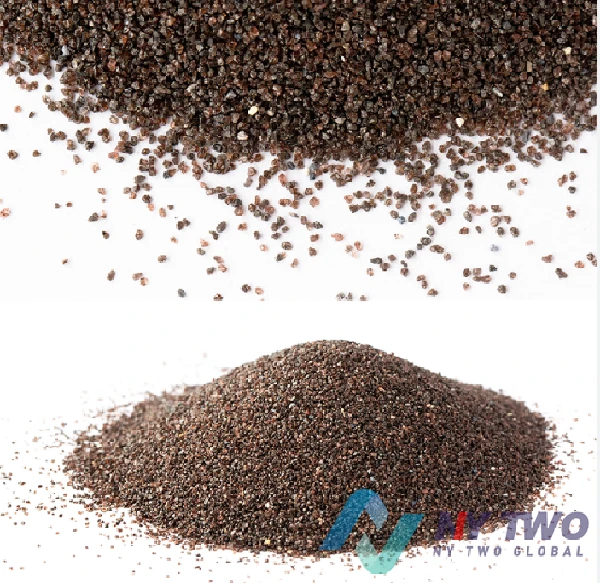
As a supplier of Brown Fused, I often get asked about the environmental friendliness of this product. Brown Fused, also known as Brown Fused Alumina, is a widely used abrasive material in various industries. Its unique properties make it suitable for applications such as grinding, sandblasting, and refractory materials. In this blog post, I will delve into the environmental aspects of Brown Fused and explore whether it can be considered an environmentally friendly option.
Production Process of Brown Fused
Brown Fused is produced by smelting bauxite, anthracite, and iron filings in an electric arc furnace at high temperatures. This process involves a significant amount of energy consumption, which is a concern from an environmental perspective. The high - energy demand in the production of Brown Fused means that there is a relatively large carbon footprint associated with its manufacturing. Fossil fuels are often used to generate the electricity required for the smelting process, leading to the emission of greenhouse gases such as carbon dioxide.
However, it's important to note that modern production facilities are constantly striving to improve energy efficiency. New technologies are being developed and implemented to reduce the energy consumption during the smelting process. For example, some plants are using more advanced furnace designs and control systems that can optimize the energy input, thereby reducing the overall environmental impact of production.
Chemical Composition and Stability
Brown Fused has a relatively stable chemical composition, mainly consisting of aluminum oxide (Al₂O₃), with some impurities such as silicon dioxide (SiO₂), titanium dioxide (TiO₂), and iron oxide (Fe₂O₃). The stability of its chemical structure means that it is less likely to react with the environment under normal conditions. This is an advantage in terms of environmental friendliness because it reduces the risk of releasing harmful substances into the air, water, or soil.
When used in abrasive applications, Brown Fused particles are generally inert and do not break down into toxic components. For instance, during sandblasting operations, the Brown Fused particles are used to remove surface contaminants from various materials. Once the sandblasting is completed, the used Brown Fused can often be recycled. Recycling not only reduces the demand for new raw materials but also minimizes the waste sent to landfills.
Comparison with Other Abrasive Materials
To better understand the environmental friendliness of Brown Fused, it's useful to compare it with other abrasive materials. For example, some traditional abrasives like silica sand can pose a health risk to workers due to the inhalation of silica dust, which can cause silicosis, a serious lung disease. In contrast, Brown Fused does not contain free silica, making it a safer alternative in terms of worker health and environmental protection.
Another comparison can be made with some synthetic abrasive materials. While some synthetic abrasives may have excellent performance, their production processes can be even more energy - intensive and involve the use of complex chemical reactions. Brown Fused, with its relatively straightforward production process and stable chemical properties, can be a more sustainable option in certain scenarios.
Recycling and Reuse
One of the key aspects of environmental friendliness is the ability to recycle and reuse a product. As mentioned earlier, Brown Fused can be recycled after use in abrasive applications. The recycling process typically involves separating the used Brown Fused from the debris and contaminants, and then re - treating it to restore its abrasive properties.
Recycling Brown Fused has several environmental benefits. First, it reduces the need for mining and processing new bauxite ore, which helps to conserve natural resources. Second, it decreases the amount of waste going to landfills. Many industries are increasingly recognizing the importance of recycling and are implementing recycling programs for Brown Fused.
Environmental Certifications and Standards
In recent years, there has been a growing trend towards environmental certification and standardization in the industry. Some Brown Fused products are now being certified to meet certain environmental standards. These certifications ensure that the product has been produced with a reduced environmental impact, taking into account factors such as energy consumption, waste management, and emissions.
When a Brown Fused product has an environmental certification, it gives customers more confidence that they are making an environmentally responsible choice. It also encourages suppliers to continuously improve their production processes to meet these high - level standards.
Conclusion
In conclusion, while the production of Brown Fused has some environmental challenges, especially in terms of energy consumption, it also has many positive environmental aspects. Its stable chemical composition, low risk of releasing harmful substances, recyclability, and relatively good performance compared to other abrasives make it a viable option from an environmental perspective.
As a supplier of Brown Fused, I am committed to promoting sustainable production and use of our products. We are constantly looking for ways to improve the energy efficiency of our production facilities and to expand our recycling programs.
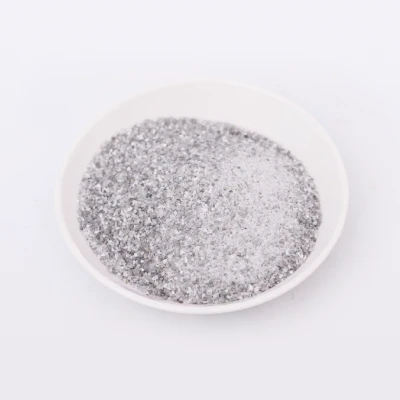
If you are interested in learning more about the Technical Parameters Of Mullite, Oem White Aluminum Oxide Powder, or Garnet J80A 50 - 80mesh, or if you are considering purchasing Brown Fused for your business, I encourage you to contact us for a detailed discussion. We can provide you with more information on the product specifications, environmental features, and pricing. We look forward to the opportunity to work with you and to help you make an environmentally friendly and cost - effective choice.
References
- "Abrasive Materials: Properties and Applications" - A textbook on abrasive materials, covering the production and characteristics of Brown Fused Alumina.
- Industry reports on environmental trends in the abrasive manufacturing sector.
- Research papers on the recycling and reuse of abrasive materials.