

Is Brown Fused magnetic?
Brown fused alumina is a widely used abrasive material known for its hardness, toughness, and cost - effectiveness. As a supplier of brown fused alumina, I often encounter the question: "Is brown fused magnetic?" In this blog post, we will explore this topic in depth, looking at the properties of brown fused alumina, the concept of magnetism, and how these two aspects relate.
Properties of Brown Fused Alumina
Brown fused alumina is produced by fusing high - quality bauxite in an electric arc furnace at extremely high temperatures. During the smelting process, impurities are removed, and the bauxite is transformed into a hard, durable abrasive material. The resulting product has a series of favorable characteristics that make it suitable for various industrial applications.
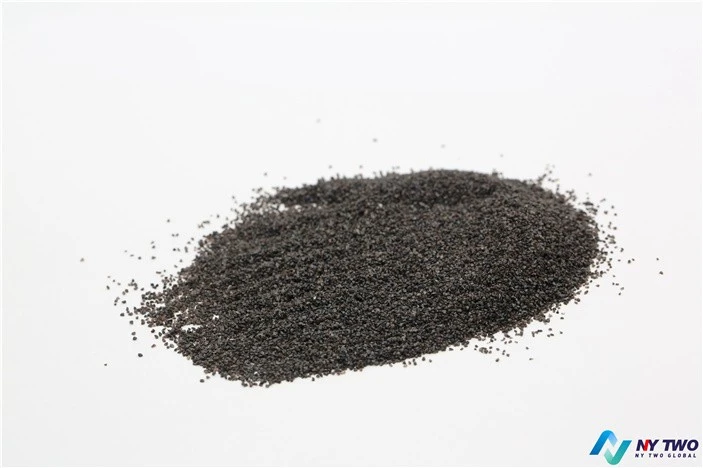
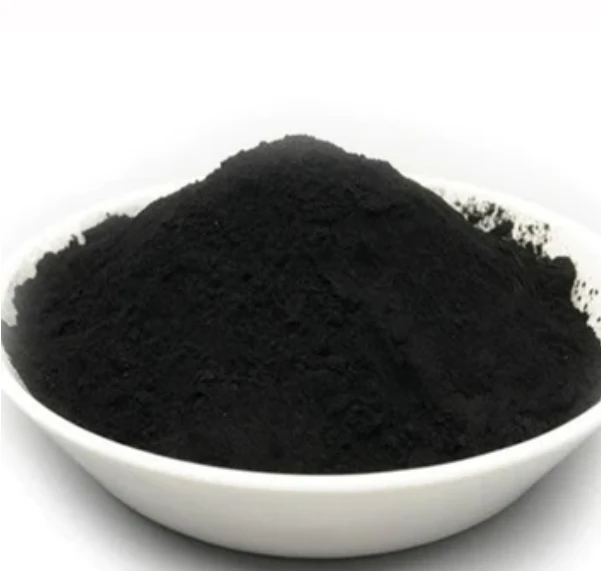
One of the most prominent features of brown fused alumina is its high hardness. On the Mohs scale, it has a hardness of around 9, which is just below that of diamond. This hardness allows it to be used in applications where abrasion resistance is crucial, such as grinding wheels, sandpaper, and abrasive blasting.
Another important property is its toughness. Brown fused alumina particles can withstand high - pressure and high - speed impacts without easily breaking. This makes it ideal for use in heavy - duty grinding and cutting operations. In addition, it has good thermal stability, enabling it to maintain its physical properties even at high temperatures generated during grinding processes.
Understanding Magnetism
Magnetism is a physical phenomenon that arises from the movement of electric charges. Materials can be classified into three main categories based on their magnetic properties: ferromagnetic, paramagnetic, and diamagnetic.
Ferromagnetic materials, such as iron, nickel, and cobalt, are strongly attracted to magnets. They can retain their magnetization even after the external magnetic field is removed. Paramagnetic materials are weakly attracted to magnets, and their magnetization is proportional to the applied magnetic field. Diamagnetic materials, on the other hand, are repelled by magnetic fields, although the effect is usually very weak.
The magnetic properties of a material depend on its atomic and molecular structure. In ferromagnetic materials, the magnetic moments of atoms align in the same direction, creating a strong magnetic field. In paramagnetic materials, the magnetic moments of atoms are randomly oriented but can be aligned by an external magnetic field. Diamagnetic materials have no unpaired electrons, and their induced magnetic moments oppose the applied magnetic field.
Is Brown Fused Alumina Magnetic?
To determine whether brown fused alumina is magnetic, we need to examine its chemical composition. Brown fused alumina is mainly composed of aluminum oxide (Al₂O₃), with small amounts of other elements such as silicon, titanium, and iron.
Aluminum oxide itself is a diamagnetic material. This means that in its pure form, it is repelled by magnetic fields. However, the presence of impurities, especially iron, can affect the magnetic properties of brown fused alumina. Iron is a ferromagnetic material, and even a small amount of iron in the brown fused alumina can make it slightly magnetic.
In most cases, the iron content in brown fused alumina is relatively low. As a result, the overall magnetic effect is usually very weak. It is not strongly attracted to magnets like ferromagnetic materials, but it may show a very slight attraction or repulsion depending on the magnetic field strength and the specific iron content.
Applications and Magnetic Considerations
In many applications of brown fused alumina, the magnetic properties are not a critical factor. For example, in abrasive blasting, grinding, and polishing operations, the focus is mainly on the hardness, toughness, and abrasion resistance of the material. The weak magnetic properties of brown fused alumina have little impact on these processes.
However, in some specialized applications, the magnetic properties may need to be considered. For instance, in the electronics industry, where magnetic interference can affect the performance of electronic components, the use of magnetic materials should be minimized. If brown fused alumina is used in a process where magnetic cleanliness is required, it may be necessary to select a product with a very low iron content to reduce the magnetic effect.
Our Brown Fused Alumina Products
As a supplier of brown fused alumina, we offer a wide range of products to meet different customer needs. Our High Quality F24 Sharp Grain Brown Fused Alumina BFA is known for its sharp grains and excellent cutting performance. It is suitable for high - precision grinding operations.
We also provide China Brown Fused Alumina Fine Powder, which is widely used in the production of refractory materials, ceramics, and polishing compounds. Our fine powder has a uniform particle size distribution and high purity, ensuring stable performance in various applications.
In addition to brown fused alumina, we also offer Silicon Carbide Product, another popular abrasive material. Silicon carbide has different properties from brown fused alumina and is suitable for specific applications such as grinding non - ferrous metals and hard alloys.
Conclusion
In conclusion, brown fused alumina is generally not strongly magnetic. While the presence of iron impurities can make it slightly magnetic, the effect is usually very weak. In most industrial applications, the magnetic properties of brown fused alumina have little impact on its performance.
If you are in the market for high - quality brown fused alumina or other abrasive materials, we are here to provide you with the best products and services. Our products are carefully manufactured to meet strict quality standards, ensuring reliable performance in your applications. Whether you need a large - scale supply for industrial production or a small - batch order for research and development, we can meet your requirements.
We welcome you to contact us for more information about our products and to discuss your specific needs. Our team of experts is ready to assist you in finding the most suitable abrasive solution for your business. Let's work together to achieve your production goals and improve your product quality.
References
- "Handbook of Abrasive Technology"
- "Introduction to Magnetism and Magnetic Materials"