

What are the abrasive wheels and their types?
Abrasive wheels are essential tools in various industrial and manufacturing processes, renowned for their ability to grind, cut, shape, and finish different materials. As a leading provider of abrasives, I'm excited to share in - depth knowledge about abrasive wheels and their diverse types with you.
What are Abrasive Wheels?
Abrasive wheels are composite tools consisting of abrasive grains bonded together by a matrix. The abrasive grains are the cutting elements, while the bond holds them in place and provides the necessary structure to the wheel. When the wheel rotates at high speed, the abrasive grains come into contact with the workpiece, removing material and achieving the desired surface finish or shape.
The performance of an abrasive wheel depends on several factors, including the type of abrasive grain, the bonding material, the grain size, and the hardness of the wheel. Different combinations of these factors result in abrasive wheels suitable for different applications.
Types of Abrasive Wheels
1. Aluminum Oxide Abrasive Wheels
Aluminum oxide is one of the most commonly used abrasive materials. It is known for its high hardness, toughness, and self - sharpening properties. Aluminum oxide abrasive wheels are suitable for grinding ferrous metals, such as carbon steel, alloy steel, and cast iron.
White Fused Aluminum Oxide Wheels:
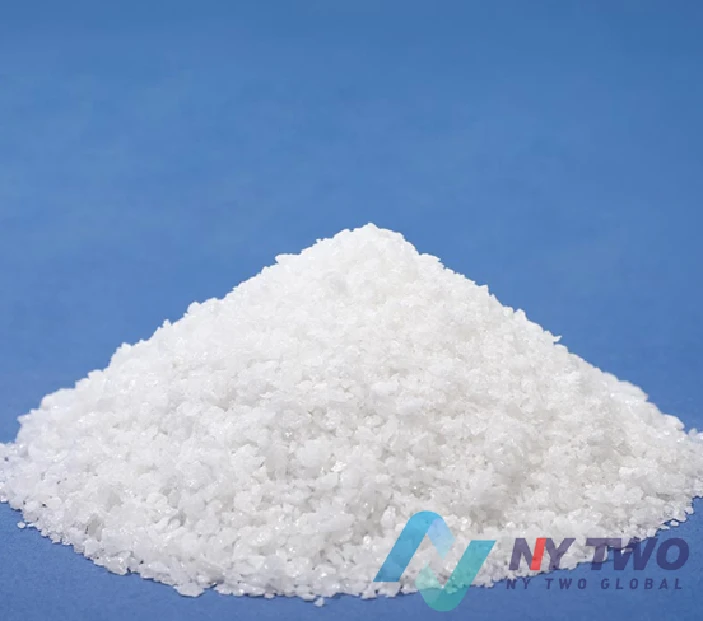
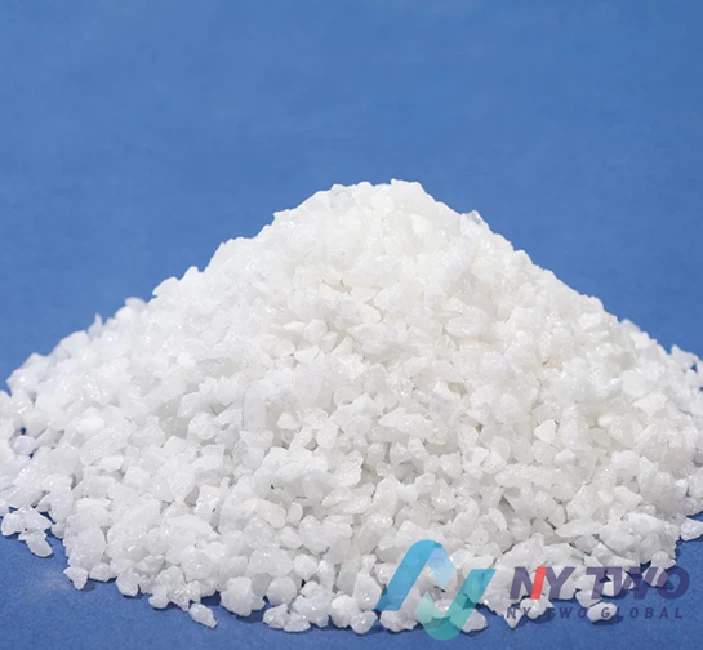
White fused aluminum oxide is a premium quality abrasive. It offers exceptional cutting performance and produces a fine finish. These wheels are ideal for high - precision grinding operations, such as tool and cutter grinding, and surface grinding of hard materials. You can find more details about our White Fused products on our website.
Low - Sodium White Aluminum Oxide Wheels:
Low - sodium white aluminum oxide wheels are designed for applications where the presence of sodium can cause issues, such as in the electronics industry. The low sodium content ensures better performance and longer wheel life. We also offer Oem White Aluminum Oxide Powder, which can be used to manufacture custom - made abrasive wheels.
2. Silicon Carbide Abrasive Wheels
Silicon carbide is a very hard and brittle abrasive material. It has a high thermal conductivity and is excellent at cutting through non - ferrous metals, such as aluminum, brass, and copper, as well as non - metallic materials like ceramics, glass, and stone.
Silicon carbide abrasive wheels are often used in applications that require fast stock removal and fine finishing. They are also popular in the automotive and aerospace industries for grinding and polishing engine components, turbine blades, and other precision parts.
3. Zirconia Alumina Abrasive Wheels
Zirconia alumina is a tough and durable abrasive material that combines the properties of aluminum oxide and zirconium oxide. Zirconia alumina abrasive wheels are capable of withstanding high pressure and heat, making them suitable for heavy - duty grinding applications.
These wheels are commonly used for grinding large workpieces, such as steel beams, forgings, and castings. They offer fast material removal rates and long wheel life, reducing the need for frequent wheel changes.
4. Diamond Abrasive Wheels
Diamond is the hardest known material, making diamond abrasive wheels the most effective for grinding and cutting very hard materials, such as carbide, ceramics, and glass. Diamond wheels are used in industries such as tool and die making, electronics manufacturing, and jewelry making.
There are two main types of diamond abrasive wheels: electroplated diamond wheels and resin - bonded diamond wheels. Electroplated diamond wheels have a single layer of diamond abrasives electroplated onto a metal substrate, providing high cutting efficiency. Resin - bonded diamond wheels, on the other hand, have diamond abrasives embedded in a resin matrix, offering better surface finish and precision.
5. Cubic Boron Nitride (CBN) Abrasive Wheels
Cubic Boron Nitride is the second - hardest material after diamond. CBN abrasive wheels are primarily used for grinding hardened steels, high - speed steels, and superalloys. They offer excellent wear resistance and can maintain their cutting edge for a long time, even when grinding tough materials.
CBN wheels are often used in the automotive and aerospace industries for grinding gears, shafts, and other high - precision components. They are also popular in the tool manufacturing industry for sharpening cutting tools.
Our Product Offerings
As an abrasive supplier, we take pride in offering a wide range of high - quality abrasive wheels to meet the diverse needs of our customers. In addition to the different types of abrasive wheels mentioned above, we also provide White Fused Alumina Tw, which is known for its consistent quality and excellent performance.
Our abrasive wheels are manufactured using the latest technology and strict quality control measures to ensure optimal performance and reliability. We work closely with our customers to understand their specific requirements and provide customized solutions.
Conclusion
Abrasive wheels play a crucial role in modern manufacturing and industrial processes. By understanding the different types of abrasive wheels and their applications, you can choose the right wheel for your specific needs. Whether you need a wheel for high - precision grinding, heavy - duty stock removal, or cutting hard materials, we have the solution.
If you are interested in our abrasive wheels or would like to discuss your specific requirements, please feel free to reach out to us. We are committed to providing the best products and services to help you achieve your production goals.
References
[1] Sawyer, W. G. (2003). The Mechanics of Abrasive Machining Processes. Kluwer Academic.
[2] Schey, J. A. (1983). Introduction to Tribology. Prentice Hall.
[3] Malkin, S. (1989). Grinding Technology: Theory and Applications of Machining with Abrasives. Society of Manufacturing Engineers.