

What are the abrasives used in stone cutting?
When it comes to stone cutting, the choice of abrasives plays a pivotal role in determining the efficiency, quality, and cost - effectiveness of the process. As an abrasives supplier, I have witnessed firsthand the diverse requirements and challenges in the stone - cutting industry. In this blog, I will delve into the various abrasives commonly used in stone cutting, their properties, and how they can meet different stone - cutting needs.
1. Diamond Abrasives
Diamond is renowned as one of the hardest materials on Earth, making it an ideal abrasive for cutting hard stones such as granite, marble, and quartzite. Diamond abrasives come in different forms, including diamond blades, diamond wires, and diamond core bits.
Properties of Diamond Abrasives
- Hardness: The extreme hardness of diamond allows it to cut through the toughest stones with relative ease. It can maintain its cutting edge for a long time, reducing the frequency of tool replacement.
- Wear Resistance: Diamond abrasives have excellent wear resistance, which means they can withstand the high - pressure and high - friction environment during stone cutting. This results in a more consistent cutting performance over time.
- Cutting Precision: Due to its hardness and wear resistance, diamond abrasives can provide high - precision cuts, which is crucial for applications such as stone countertops and decorative stonework.
Applications in Stone Cutting
- Blade Cutting: Diamond blades are widely used in sawing large stone slabs. They can make straight and curved cuts with high efficiency. For example, in the production of granite kitchen countertops, diamond blades are used to cut the slabs to the desired size and shape.
- Wire Sawing: Diamond wires are used for cutting large - scale stone blocks. This method is particularly useful for extracting stones from quarries. The wire can be threaded through the stone block, and by applying tension and movement, it can cut through the stone.
- Core Drilling: Diamond core bits are used for drilling holes in stones. This is essential for applications such as installing plumbing fixtures in stone bathrooms or creating holes for dowel pins in stone construction.
2. Silicon Carbide Abrasives
Silicon carbide is another popular abrasive used in stone cutting, especially for softer stones and for applications that require a finer finish. There are two main types of silicon carbide: green silicon carbide and black silicon carbide.
Green Silicon Carbide
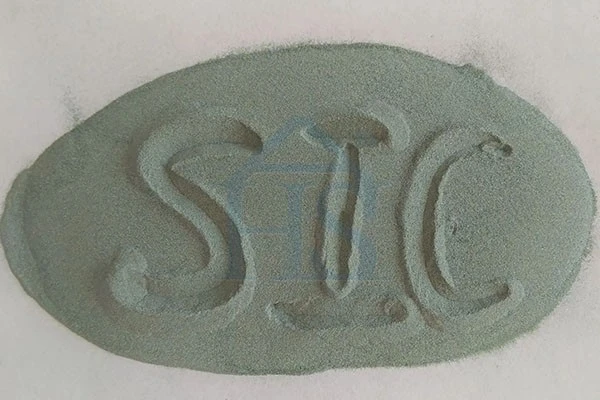
Green silicon carbide is a high - purity abrasive with excellent hardness and sharpness. It is often used in bonded and coated abrasives for stone cutting. You can find more information about Green Silicon Carbide For Bonded And Coated Abrasives.
- Properties: Green silicon carbide has a high thermal conductivity, which means it can dissipate heat quickly during the cutting process. This helps to reduce the risk of thermal damage to the stone and the abrasive tool. It also has a sharp cutting edge, which enables it to cut through stones efficiently.
- Applications: Green silicon carbide is commonly used in grinding wheels for stone polishing and finishing. It can provide a smooth and fine surface finish on stones such as marble and limestone.
Black Silicon Carbide
Black silicon carbide is less pure than green silicon carbide but is still a very effective abrasive. It is more cost - effective and is often used for general - purpose stone cutting and grinding.
- Properties: Black silicon carbide has good hardness and toughness. It can withstand the impact and pressure during stone cutting, making it suitable for rough cutting operations.
- Applications: It is used in abrasive belts and discs for rough grinding of stones, such as removing excess material from newly quarried stone blocks.
3. Aluminum Oxide Abrasives
Aluminum oxide is a versatile abrasive that is widely used in the stone - cutting industry. There are different types of aluminum oxide, including white fused alumina. You can learn more about White Fused Alumina Jp.
White Fused Alumina
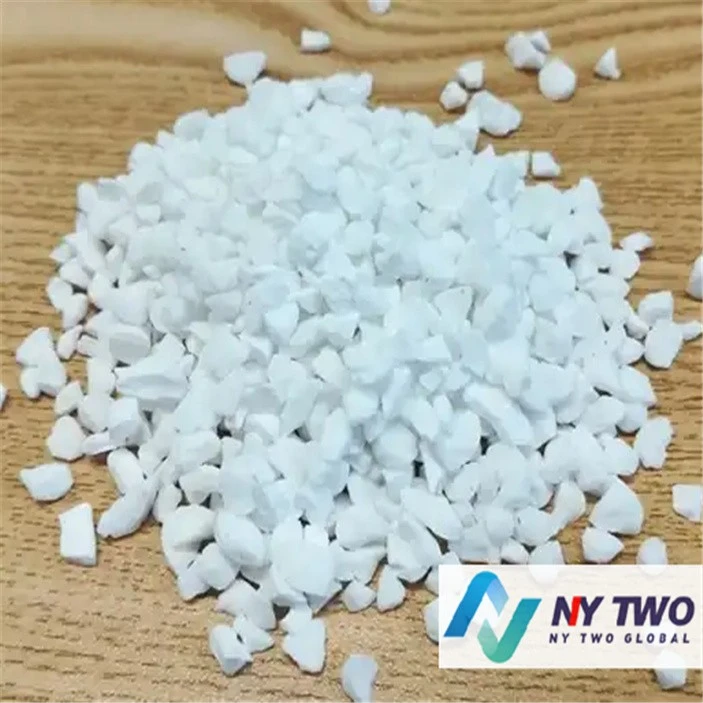
White fused alumina is a high - quality abrasive with excellent hardness and purity.
- Properties: It has a high melting point and good chemical stability, which allows it to maintain its performance under high - temperature and high - pressure conditions. White fused alumina also has a sharp cutting edge, which can provide efficient cutting and grinding.
- Applications: In stone cutting, white fused alumina is used in grinding wheels and abrasive papers for finishing operations. It can be used to achieve a smooth and polished surface on stones, especially for decorative stonework.
Brown Fused Alumina
Brown fused alumina is a more common and cost - effective type of aluminum oxide abrasive.
- Properties: It has good toughness and wear resistance. It can withstand the impact and friction during stone cutting, making it suitable for both rough and fine grinding operations.
- Applications: Brown fused alumina is used in abrasive wheels for cutting and grinding a variety of stones, from soft limestone to hard granite.
4. Garnet Abrasives
Garnet is a natural abrasive that is also used in stone cutting, especially for waterjet cutting.
- Properties: Garnet has a sharp and angular shape, which makes it an effective cutting agent. It is also relatively hard and can cut through stones without causing excessive damage to the surface.
- Applications: In waterjet cutting, garnet is mixed with high - pressure water to create a cutting stream. This method is suitable for cutting complex shapes in stones, such as decorative stone panels and inlays. It can also provide a clean and precise cut without generating a lot of heat, which is beneficial for heat - sensitive stones.
5. Cubic Boron Nitride (CBN) Abrasives
Although not as commonly used as diamond or silicon carbide in stone cutting, cubic boron nitride (CBN) abrasives have some unique advantages.
- Properties: CBN is the second - hardest material after diamond. It has excellent thermal stability and chemical inertness. This means it can maintain its performance at high temperatures and in chemically reactive environments.
- Applications: CBN abrasives are used in high - precision stone cutting applications, especially for cutting stones with high hardness and high - value stones. For example, in the cutting of some special - grade quartzite or engineered stones, CBN abrasives can provide a very precise and high - quality cut.
Considerations for Choosing Abrasives in Stone Cutting
When choosing abrasives for stone cutting, several factors need to be considered:
- Stone Type: Different stones have different hardness, density, and composition. Harder stones such as granite require harder abrasives like diamond, while softer stones like limestone can be cut with silicon carbide or aluminum oxide abrasives.
- Cutting Method: The cutting method, such as sawing, grinding, or drilling, also affects the choice of abrasives. For example, diamond blades are suitable for sawing large slabs, while diamond core bits are used for drilling holes.
- Desired Finish: If a smooth and polished finish is required, finer - grained abrasives such as white fused alumina or green silicon carbide should be used. For rough cutting and material removal, coarser - grained abrasives are more appropriate.
- Cost - Effectiveness: The cost of abrasives is an important consideration. While diamond abrasives are very effective, they are also more expensive. In some cases, a combination of different abrasives can be used to achieve the best balance between performance and cost.
Conclusion
As an abrasives supplier, I understand the importance of providing the right abrasives for different stone - cutting applications. Whether you are cutting hard granite for a commercial building or soft marble for a residential project, there is an abrasive that can meet your needs. We offer a wide range of abrasives, including diamond, silicon carbide, aluminum oxide, garnet, and CBN abrasives. Our products are designed to provide high - performance, long - lasting, and cost - effective solutions for the stone - cutting industry.
If you are in the stone - cutting business and are looking for high - quality abrasives, we would love to have a discussion with you. Contact us to start a procurement negotiation, and let us help you find the best abrasives for your specific requirements.
References
- "Handbook of Abrasive Technology" by John C. Sumner
- "Stone Cutting and Finishing Techniques" by Stone Industry Association