

What are the abrasives used in the leather industry?
Hey there! As an abrasives supplier in the game for quite some time, I've seen firsthand how important the right abrasives are in the leather industry. In this blog, I'm gonna break down the different types of abrasives used in leather work, why they're so crucial, and how they can take your leather products to the next level.
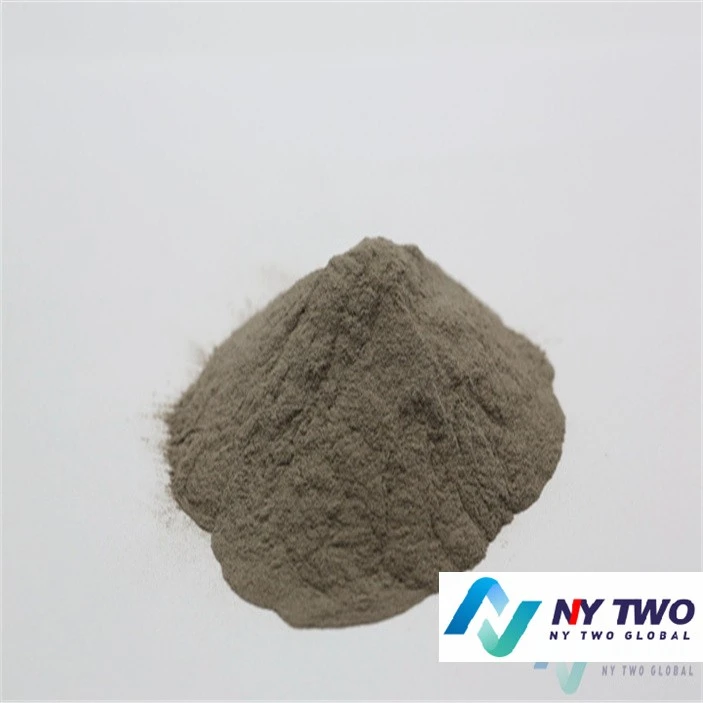
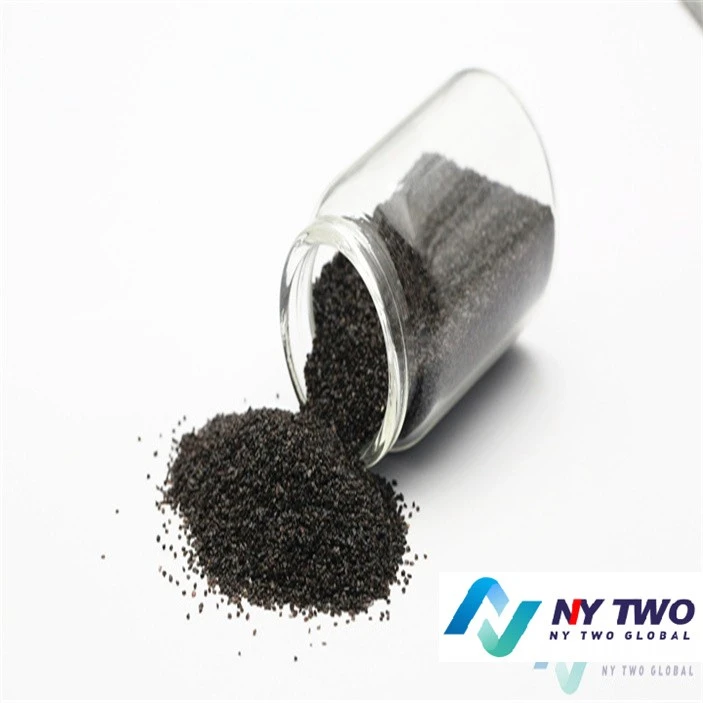
Let's kick things off with the heavy hitters - corundum abrasives. These are like the rock stars of the leather - working world. Corundum comes in a few different flavors, but two of the most popular ones are brown fused alumina and white fused alumina.
Brown fused alumina is tough as nails. It's made by fusing bauxite in an electric arc furnace, which gives it its characteristic brown color. This abrasive is super durable and can handle heavy - duty tasks like rough sanding and grinding of leather. It's great for removing thick layers of leather, shaping edges, and getting rid of any unwanted bumps or ridges. When you're working on large - scale leather projects or dealing with tough leather hides, brown fused alumina is your go - to.
On the other hand, White Fused alumina is a bit more refined. It's produced by fusing high - purity alumina powder, resulting in a white - colored abrasive. White fused alumina is known for its sharpness and precision. It's perfect for finishing work on leather, where you need a smooth and even surface. Whether you're polishing leather to a high shine or doing detailed sanding on small leather parts, white fused alumina will get the job done with finesse.
Next up, we have silicon carbide abrasives. Silicon carbide is a Rock - Forming Mineral that's widely used in the leather industry, especially for wet sanding applications. It has a very sharp and angular grain structure, which makes it excellent at cutting through leather quickly. Silicon carbide abrasives come in different grit sizes, from coarse to fine. Coarse grit silicon carbide is used for initial shaping and rough sanding, while fine grit is used for finishing and smoothing the leather surface.
One of the great things about silicon carbide is that it can be used with water, which helps to keep the leather cool during the sanding process. This is important because excessive heat can damage the leather and change its properties. So, if you're working on delicate leather or need to maintain a consistent temperature while sanding, silicon carbide is a great choice.
Another type of abrasive that's commonly used in the leather industry is garnet. Garnet is a natural mineral that has been used as an abrasive for centuries. It has a unique crystalline structure that gives it good cutting ability and a relatively long lifespan. Garnet abrasives are known for their gentle yet effective sanding action. They're often used for light sanding and surface preparation of leather.
Garnet is a popular choice for leather artisans who want to achieve a smooth and natural - looking finish. It doesn't leave behind any harsh scratches or marks on the leather, which is ideal for high - end leather products. Plus, because it's a natural mineral, it's environmentally friendly, which is a big plus in today's market.
Now, let's talk about artificial abrasives. These are abrasives that are manufactured in a laboratory or factory setting. One example is artificial corundum, specifically the Images Of Artificial Corundum Brown Fepa BFA. Artificial corundum offers a consistent quality and performance that can be tailored to specific leather - working needs.
Manufacturers can control the size, shape, and hardness of the artificial corundum grains, which means you can get an abrasive that's perfect for your particular leather project. Whether you're working on soft leather for a wallet or tough leather for a motorcycle jacket, there's an artificial corundum abrasive that can meet your requirements.
So, why are these abrasives so important in the leather industry? Well, for starters, they help to improve the quality of the leather products. By using the right abrasive, you can achieve a smooth, even surface that looks and feels great. This is essential for high - end leather goods, where the finish is just as important as the material itself.
Abrasives also play a crucial role in the production process. They make it easier to shape, cut, and finish leather, which saves time and labor costs. For example, using a high - quality abrasive can reduce the amount of manual sanding and polishing required, allowing you to produce more leather products in less time.
In addition, abrasives can enhance the durability of leather products. By properly sanding and finishing the leather, you can remove any weak or damaged areas, which helps to prevent premature wear and tear. This means that your leather products will last longer and provide better value for your customers.
As an abrasives supplier, I understand the unique needs of the leather industry. That's why I offer a wide range of abrasives, from different types of corundum to silicon carbide, garnet, and artificial abrasives. I work closely with my customers to understand their specific requirements and recommend the best abrasives for their projects.
Whether you're a small - scale leather artisan or a large - scale leather manufacturer, I can provide you with the abrasives you need to produce high - quality leather products. And if you have any questions or need advice on which abrasives to use, I'm here to help.
If you're interested in learning more about the abrasives I offer or want to discuss your leather - working needs, don't hesitate to get in touch. I'm always happy to have a chat and help you find the perfect abrasives for your business. Contact me today to start a conversation about how we can work together to take your leather products to the next level.
References
- "Abrasive Materials and Their Applications" - A textbook on the science and use of abrasives.
- "Leather Manufacturing Processes" - A comprehensive guide to the leather - making industry, including the use of abrasives.
- Industry reports and research papers on the latest trends in leather - working abrasives.