

What are the advantages of Fused Spinel compared to other materials?
Fused spinel is a high - performance refractory material that has gained significant attention in various industrial applications. As a fused spinel supplier, I am well - versed in the numerous advantages it offers compared to other materials. In this blog, we will explore these benefits in detail.
1. Chemical Stability
One of the most prominent advantages of fused spinel is its excellent chemical stability. In many industrial processes, materials are exposed to harsh chemical environments, including strong acids, alkalis, and molten metals. Fused spinel can resist the corrosive effects of these substances better than many other refractory materials.
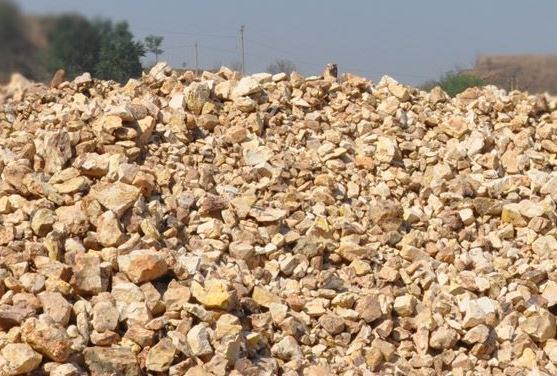
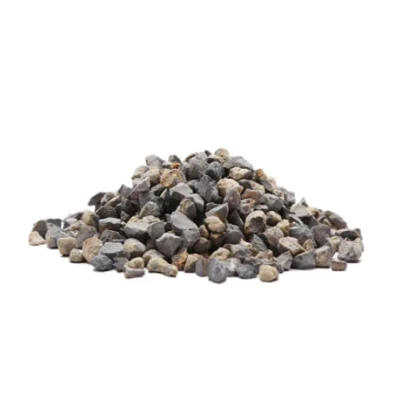
For example, in the steelmaking industry, where molten steel and slag contain various oxides and fluxes, fused spinel lining can withstand the chemical attack. This is in contrast to some traditional materials like High Bauxite Clinker. High Bauxite Clinker may react with certain components in the slag over time, leading to erosion and a shorter service life. Fused spinel, on the other hand, forms a stable structure that is less likely to undergo chemical reactions, thus ensuring the integrity of the refractory lining and reducing the frequency of repairs and replacements.
In the non - ferrous metal smelting industry, such as aluminum smelting, the molten aluminum and its associated salts can be highly corrosive. Fused spinel shows remarkable resistance to these corrosive agents, protecting the furnace lining and maintaining the quality of the molten metal. This chemical stability also makes fused spinel suitable for use in chemical plants where it can be exposed to a wide range of chemicals during different production processes.
2. Thermal Shock Resistance
Thermal shock is a major concern in many high - temperature industrial applications. Rapid temperature changes can cause materials to crack and fail due to the differential expansion and contraction within the material. Fused spinel has superior thermal shock resistance compared to materials like Tabular Alumina.
Tabular alumina has relatively high thermal expansion coefficients, which means it expands and contracts significantly with temperature changes. This can lead to the development of cracks when subjected to rapid heating or cooling cycles. Fused spinel, however, has a more moderate thermal expansion behavior. Its crystal structure allows it to better accommodate the stresses caused by thermal changes.
In applications such as glass melting furnaces, where the temperature can vary greatly during the melting and cooling processes, fused spinel linings can withstand these thermal shocks without significant damage. This reduces the risk of furnace failure and ensures continuous and efficient operation. Similarly, in the cement industry, where kilns experience rapid temperature changes during start - up and shutdown, the use of fused spinel can improve the durability of the refractory lining and reduce maintenance costs.
3. High - Temperature Strength
Fused spinel exhibits excellent high - temperature strength, which is crucial in applications where materials are exposed to extreme heat. At high temperatures, many materials lose their strength and become more prone to deformation.
Compared to Bauxite, which may soften and lose its structural integrity at very high temperatures, fused spinel retains its strength. In steel ladles, for instance, the molten steel can reach temperatures of over 1600°C. Fused spinel bricks can support the weight of the molten steel and resist the mechanical forces exerted during the pouring and handling processes. This high - temperature strength also makes fused spinel suitable for use in high - temperature furnaces in the ceramics industry, where it can maintain its shape and performance even under prolonged exposure to high - heat conditions.
4. Low Porosity
Fused spinel typically has low porosity, which is beneficial in several ways. Low porosity means that there are fewer voids in the material, reducing the penetration of corrosive substances. When a material has high porosity, corrosive agents can easily seep into the pores, causing internal damage and weakening the structure.
In contrast, the low porosity of fused spinel acts as a barrier against the ingress of molten metals, slag, and chemicals. This is particularly important in applications where the material is in direct contact with these corrosive media. For example, in the lining of converters in the steel industry, the low - porosity fused spinel can prevent the penetration of slag into the refractory, thereby extending the service life of the lining.
5. Energy Efficiency
Due to its excellent insulation properties and high - temperature performance, fused spinel can contribute to energy efficiency in industrial processes. In high - temperature furnaces, better insulation means less heat loss to the surroundings.
Compared to some other refractory materials that may conduct heat more readily, fused spinel can reduce the amount of energy required to maintain the desired temperature inside the furnace. This not only lowers energy costs but also has environmental benefits by reducing greenhouse gas emissions associated with energy production. In industries where energy consumption is a significant part of the production cost, such as the metals and ceramics industries, the use of fused spinel can lead to substantial savings over time.
6. Improved Product Quality
In some industrial processes, the choice of refractory material can have a direct impact on the quality of the final product. Fused spinel's chemical stability and resistance to contamination ensure that it does not introduce impurities into the molten metal or other products being processed.
In the glass industry, for example, the use of fused spinel in the furnace lining can prevent the leaching of unwanted elements into the glass melt. This results in a higher - quality glass product with fewer defects and a more consistent composition. In the production of high - purity metals, fused spinel's ability to resist corrosion and contamination helps to maintain the purity of the molten metal, meeting the strict quality requirements of various industries.
7. Ease of Installation and Maintenance
Fused spinel products are available in various forms, such as bricks, castables, and monolithics, which makes them relatively easy to install. Their uniform structure and good mechanical properties allow for efficient installation processes.
In addition, due to their long service life and resistance to damage, the maintenance requirements for fused spinel linings are relatively low. Compared to some other materials that may require frequent repairs and replacements, fused spinel can reduce the downtime of industrial equipment, increasing overall productivity.
Conclusion
In conclusion, fused spinel offers a wide range of advantages over other materials in terms of chemical stability, thermal shock resistance, high - temperature strength, low porosity, energy efficiency, product quality improvement, and ease of installation and maintenance. These benefits make it a preferred choice in many high - temperature and corrosive industrial applications.
If you are looking for a reliable refractory material for your industrial processes, I encourage you to consider fused spinel. As a supplier, I am committed to providing high - quality fused spinel products that meet your specific requirements. Whether you are in the steel, non - ferrous metals, glass, ceramics, or any other industry that requires high - performance refractory materials, feel free to contact me to discuss your needs and explore how fused spinel can enhance the efficiency and durability of your operations.
References
- "Refractory Materials Handbook" - A comprehensive guide on different types of refractory materials and their properties.
- Industry reports on the use of refractory materials in various industrial sectors, including steel, non - ferrous metals, and glass.
- Research papers on the chemical and physical properties of fused spinel and its comparison with other refractory materials.