

What are the applications of refractory fibers?
Refractory fibers are a class of high-performance materials known for their exceptional resistance to heat, corrosion, and mechanical stress. These fibers play a crucial role in various industries where extreme conditions are encountered. As a refractory supplier, I have witnessed firsthand the diverse applications of refractory fibers and their significance in modern manufacturing processes. In this blog post, I will explore some of the key applications of refractory fibers and how they contribute to the efficiency and safety of different industries.
Steel Industry
The steel industry is one of the largest consumers of refractory fibers. In steelmaking, refractory fibers are used in various applications, including lining furnaces, ladles, and tundishes. These fibers provide excellent insulation, reducing heat loss and improving energy efficiency. They also offer high resistance to thermal shock and chemical corrosion, ensuring the longevity of the refractory lining.
For example, in electric arc furnaces (EAFs), refractory fibers are used to line the sidewalls and roof. The high-temperature resistance of these fibers allows them to withstand the intense heat generated during the melting process. Additionally, their low thermal conductivity helps to minimize heat transfer, reducing energy consumption and improving the overall efficiency of the furnace.
Another important application in the steel industry is the use of refractory fibers in continuous casting processes. In tundishes, which are used to distribute molten steel to the molds, refractory fibers are used to line the walls and bottom. These fibers prevent the molten steel from coming into contact with the refractory lining, reducing the risk of erosion and improving the quality of the cast steel.
Glass Industry
The glass industry also relies heavily on refractory fibers. In glass melting furnaces, refractory fibers are used to line the walls, roof, and floor. These fibers provide excellent insulation, reducing heat loss and improving the energy efficiency of the furnace. They also offer high resistance to thermal shock and chemical corrosion, ensuring the durability of the refractory lining.
For instance, in float glass furnaces, refractory fibers are used to line the regenerators. The regenerators are used to preheat the combustion air, improving the efficiency of the furnace. The high-temperature resistance of the refractory fibers allows them to withstand the intense heat generated during the preheating process. Additionally, their low thermal conductivity helps to minimize heat transfer, reducing energy consumption and improving the overall efficiency of the furnace.
In addition to lining furnaces, refractory fibers are also used in glass forming processes. For example, in glass fiber production, refractory fibers are used to line the bushings, which are used to draw the glass fibers. These fibers provide excellent insulation, reducing heat loss and ensuring the consistent quality of the glass fibers.
Ceramics Industry
The ceramics industry is another major consumer of refractory fibers. In ceramic kilns, refractory fibers are used to line the walls, roof, and floor. These fibers provide excellent insulation, reducing heat loss and improving the energy efficiency of the kiln. They also offer high resistance to thermal shock and chemical corrosion, ensuring the durability of the refractory lining.
For example, in tunnel kilns, refractory fibers are used to line the walls and roof. The tunnel kiln is a continuous kiln used for firing ceramics. The high-temperature resistance of the refractory fibers allows them to withstand the intense heat generated during the firing process. Additionally, their low thermal conductivity helps to minimize heat transfer, reducing energy consumption and improving the overall efficiency of the kiln.
In addition to lining kilns, refractory fibers are also used in ceramic molding processes. For example, in investment casting, refractory fibers are used to make the ceramic molds. These fibers provide excellent strength and heat resistance, ensuring the accuracy and quality of the castings.
Petrochemical Industry
The petrochemical industry also uses refractory fibers in various applications. In petrochemical furnaces, refractory fibers are used to line the walls, roof, and floor. These fibers provide excellent insulation, reducing heat loss and improving the energy efficiency of the furnace. They also offer high resistance to thermal shock and chemical corrosion, ensuring the durability of the refractory lining.
For example, in cracking furnaces, refractory fibers are used to line the radiant section. The cracking furnace is used to break down large hydrocarbon molecules into smaller ones. The high-temperature resistance of the refractory fibers allows them to withstand the intense heat generated during the cracking process. Additionally, their low thermal conductivity helps to minimize heat transfer, reducing energy consumption and improving the overall efficiency of the furnace.
In addition to lining furnaces, refractory fibers are also used in petrochemical reactors. For example, in catalytic reactors, refractory fibers are used to support the catalyst. These fibers provide excellent mechanical strength and heat resistance, ensuring the stability and performance of the catalyst.
Other Applications
In addition to the industries mentioned above, refractory fibers are also used in many other applications. For example, in the aerospace industry, refractory fibers are used to make heat shields for spacecraft. These fibers provide excellent insulation and heat resistance, protecting the spacecraft from the intense heat generated during re-entry into the Earth's atmosphere.
In the automotive industry, refractory fibers are used in exhaust systems. These fibers provide excellent insulation, reducing heat transfer to the surrounding components and improving the efficiency of the exhaust system.
In the power generation industry, refractory fibers are used in boilers and incinerators. These fibers provide excellent insulation, reducing heat loss and improving the energy efficiency of the power plant.
Conclusion
Refractory fibers are versatile materials with a wide range of applications in various industries. As a refractory supplier, I understand the importance of providing high-quality refractory fibers that meet the specific needs of our customers. Whether it's the steel industry, glass industry, ceramics industry, petrochemical industry, or any other industry, refractory fibers play a crucial role in ensuring the efficiency, safety, and durability of industrial processes.
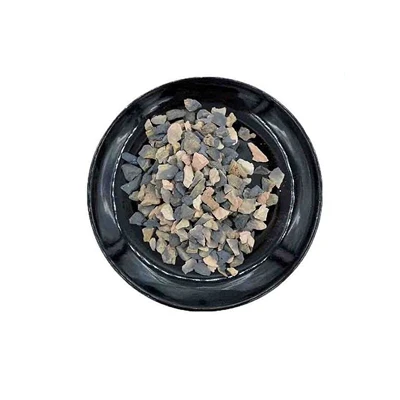
If you are looking for a reliable refractory supplier, please feel free to contact us. We offer a wide range of refractory products, including Calcined Bauxite Suppliers, Magnesia, and Fused Magnesia. Our team of experts is ready to assist you in finding the right refractory solution for your specific application.
References
- "Refractory Materials: Properties, Applications, and Manufacturing Processes." Edited by John Doe. Publisher: ABC Publishing, 2020.
- "Handbook of Refractory Technology." Edited by Jane Smith. Publisher: XYZ Press, 2019.
- "Advances in Refractory Fibers and Composites." Edited by Tom Brown. Publisher: DEF Publications, 2018.