

What are the common uses of abrasives in metalworking?
In the realm of metalworking, abrasives play a pivotal role in achieving the desired finish, precision, and quality of metal products. As a leading abrasives supplier, I've witnessed firsthand the diverse and essential applications of abrasives across various metalworking processes. In this blog post, I'll delve into the common uses of abrasives in metalworking, exploring how they contribute to the efficiency and excellence of metal fabrication.
Surface Preparation
One of the primary uses of abrasives in metalworking is surface preparation. Before any coating, painting, or welding can take place, the metal surface must be clean, smooth, and free of contaminants. Abrasives are used to remove rust, scale, old paint, and other impurities from the metal surface, creating a suitable substrate for subsequent processes.
For example, in the automotive industry, abrasives are used to prepare the surface of car bodies before painting. By using abrasive discs or belts, the surface is smoothed and roughened slightly, allowing the paint to adhere better and providing a more durable finish. Similarly, in the shipbuilding industry, abrasives are used to prepare the surface of steel plates before welding. This helps to ensure a strong and reliable weld joint by removing any oxide layers or contaminants that could affect the quality of the weld.
Grinding and Shaping
Abrasives are also widely used for grinding and shaping metal components. Grinding is a process that involves removing material from a metal surface using an abrasive wheel or belt. This process is commonly used to achieve a specific shape, size, or surface finish on a metal part.
In the manufacturing of precision components, such as gears, bearings, and shafts, abrasives are used to grind the parts to the required dimensions and tolerances. By using high-precision grinding machines and abrasive wheels, manufacturers can achieve extremely accurate and smooth surfaces, ensuring the proper functioning of the components. Additionally, abrasives are used for shaping metal parts, such as creating bevels, chamfers, and radii. This is often done using abrasive discs or wheels mounted on a grinding machine or a handheld power tool.
Deburring and Edge Finishing
Deburring is the process of removing burrs, or rough edges, from metal parts. Burrs are often created during machining processes, such as cutting, drilling, or milling, and can affect the functionality and safety of the parts. Abrasives are used to remove these burrs and create a smooth and safe edge on the metal parts.
In the aerospace industry, for example, deburring is a critical process to ensure the proper functioning of aircraft components. By using abrasive brushes or wheels, manufacturers can remove burrs from the edges of metal parts, such as turbine blades and engine components, preventing any potential damage or malfunction. Edge finishing is another important application of abrasives in metalworking. This involves rounding or beveling the edges of metal parts to improve their appearance and reduce the risk of injury. Abrasive belts or discs are commonly used for edge finishing, providing a smooth and consistent edge on the metal parts.
Polishing and Buffing
Polishing and buffing are processes used to achieve a high-gloss or mirror-like finish on metal surfaces. Abrasives are used in these processes to remove surface imperfections and create a smooth and reflective surface.
In the jewelry industry, for instance, abrasives are used to polish precious metals, such as gold and silver, to create a beautiful and shiny finish. By using fine-grit abrasive compounds and polishing wheels, jewelers can achieve a high level of luster and smoothness on the metal surfaces. Similarly, in the automotive and consumer electronics industries, abrasives are used to buff and polish metal parts, such as chrome-plated trim and aluminum casings, to enhance their appearance and durability.
Honing and Lapping
Honing and lapping are precision grinding processes used to achieve extremely accurate surface finishes and dimensions on metal parts. Honing is a process that involves using a honing stone or abrasive tool to remove a small amount of material from the surface of a cylindrical or flat workpiece. This process is commonly used to improve the roundness, straightness, and surface finish of engine cylinders, hydraulic cylinders, and other precision components.
Lapping, on the other hand, is a process that involves using a lapping plate or abrasive slurry to achieve a very flat and smooth surface on a workpiece. This process is often used for finishing optical components, such as lenses and mirrors, as well as for creating flat surfaces on precision metal parts. By using high-quality abrasives and precision equipment, manufacturers can achieve extremely tight tolerances and surface finishes in honing and lapping processes.
Different Types of Abrasives and Their Applications
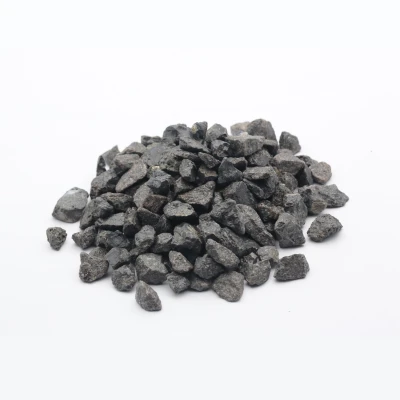
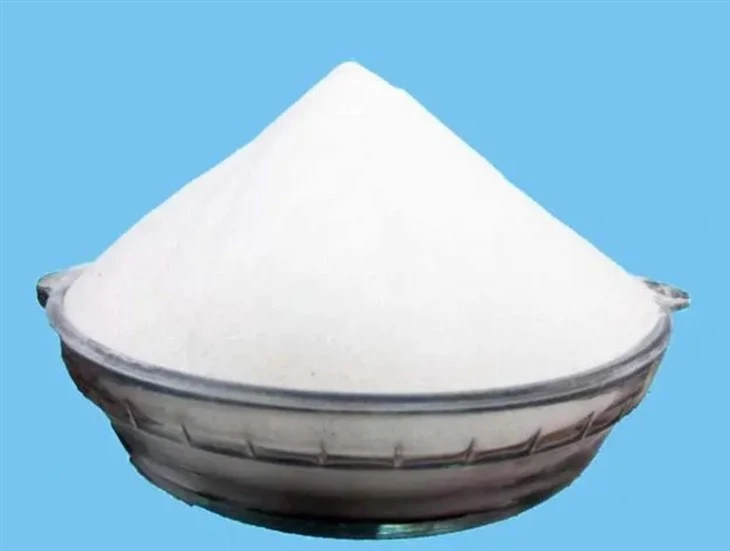
There are several types of abrasives available, each with its own unique properties and applications. Some of the most common types of abrasives used in metalworking include:
- Aluminum Oxide: Aluminum oxide is one of the most widely used abrasives in metalworking. It is a hard and durable abrasive that is suitable for grinding, cutting, and polishing a variety of metals, including steel, stainless steel, and aluminum. Aluminum oxide abrasives are available in different grit sizes, ranging from coarse to fine, allowing for a wide range of applications.
- Silicon Carbide: Silicon carbide is another popular abrasive used in metalworking. It is a very hard and sharp abrasive that is particularly effective for grinding and cutting hard metals, such as cast iron, titanium, and ceramics. Silicon carbide abrasives are also used for polishing non-metallic materials, such as glass and stone.
- Zirconia Alumina: Zirconia alumina is a high-performance abrasive that combines the hardness of aluminum oxide with the toughness of zirconia. It is a very durable abrasive that is suitable for heavy-duty grinding applications, such as grinding thick steel plates and forgings. Zirconia alumina abrasives are also used for high-speed grinding and cutting operations.
- Cubic Boron Nitride (CBN): Cubic boron nitride is a synthetic abrasive that is second only to diamond in hardness. It is a very hard and wear-resistant abrasive that is suitable for grinding and cutting hard metals, such as hardened steel, tool steel, and nickel-based alloys. CBN abrasives are often used in high-precision grinding applications, such as grinding gears and bearings.
- Diamond: Diamond is the hardest known material and is used as an abrasive in a variety of metalworking applications. Diamond abrasives are particularly effective for grinding and cutting hard and brittle materials, such as carbide, ceramics, and glass. Diamond abrasives are also used for polishing and lapping operations, providing a very smooth and reflective surface finish.
Importance of Choosing the Right Abrasive
Choosing the right abrasive for a specific metalworking application is crucial for achieving the desired results. The type of abrasive, grit size, and bond type all play a role in determining the performance and effectiveness of the abrasive.
For example, when grinding hard metals, such as titanium or stainless steel, a hard and sharp abrasive, such as silicon carbide or CBN, may be more suitable. On the other hand, when polishing a soft metal, such as aluminum or copper, a softer and finer abrasive, such as aluminum oxide, may be preferred. The grit size of the abrasive also affects the surface finish and material removal rate. Coarser grit sizes are used for rapid material removal, while finer grit sizes are used for achieving a smooth and polished surface.
The bond type of the abrasive is another important factor to consider. The bond holds the abrasive grains together and determines the strength and durability of the abrasive. Different bond types are suitable for different applications, such as resin bonds for general-purpose grinding and vitrified bonds for high-precision grinding.
Conclusion
In conclusion, abrasives are essential tools in metalworking, with a wide range of applications that contribute to the efficiency, precision, and quality of metal products. From surface preparation and grinding to polishing and honing, abrasives play a crucial role in achieving the desired finish and functionality of metal components. As an abrasives supplier, I understand the importance of providing high-quality abrasives that meet the specific needs of metalworking industries.
If you're in the metalworking industry and are looking for reliable and high-performance abrasives, I invite you to [contact us for procurement and discussion]. Our team of experts can help you choose the right abrasives for your specific applications and provide you with the support and guidance you need to achieve the best results.
References
- "Handbook of Abrasive Technology" by Robert L. Jackson
- "Modern Grinding Technology" by Michael B. Peters
- "Abrasive Machining: Processes and Applications" by Peter K. Wright