

What are the common uses of refractory materials?
Hey there! I'm an industry insider at a refractory supplier, and today I'm stoked to chat about the common uses of refractory materials. These bad boys are the unsung heroes in a whole bunch of high - heat industries, and understanding their applications can really open your eyes to their importance.
Steel Industry
When it comes to the steel industry, refractory materials are like the backbone. Steel production involves extremely high temperatures, often exceeding 1500°C. Refractory linings are used in blast furnaces, basic oxygen furnaces, and electric arc furnaces.
In blast furnaces, the lining has to withstand the intense heat generated during the reduction of iron ore to pig iron. The refractory materials here need to have excellent thermal shock resistance because they experience sudden temperature changes. For example, when hot air is blown into the furnace and when the molten iron is tapped.
Basic oxygen furnaces rely on refractory linings to contain the violent reactions that occur when oxygen is blown into molten pig iron to convert it into steel. The lining must be able to resist chemical attacks from the slag, which is a by - product of the steel - making process.
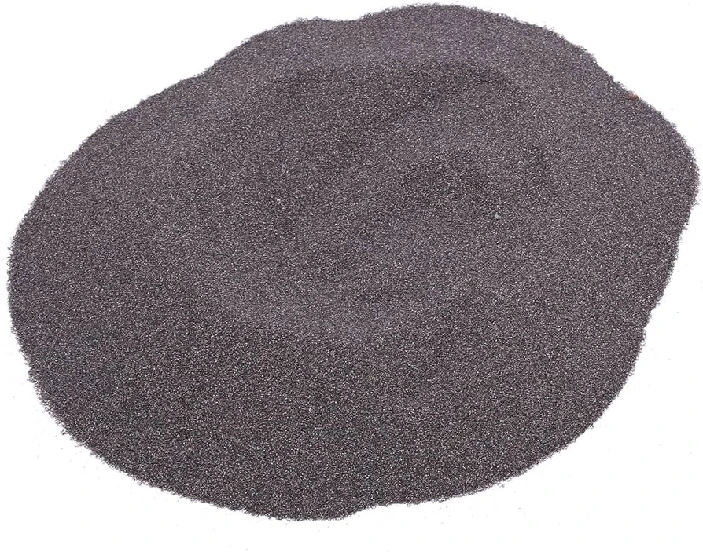
Electric arc furnaces, which use electricity to melt scrap steel, also require high - quality refractory materials. The linings here need to handle the high - energy arcs and the corrosive effects of the slag. Our Brown Fused Alumina Sand is a great choice for these applications. It has high purity, good wear resistance, and can withstand the high temperatures and chemical reactions in steel - making furnaces.
Cement Industry
The cement industry is another major consumer of refractory materials. Rotary kilns are the heart of cement production, and they operate at temperatures between 1400 - 1500°C. The refractory lining in a rotary kiln protects the steel shell from the high - temperature flames and the abrasive action of the cement raw materials.
Rotary Kiln Bauxite is commonly used in rotary kilns. It has high alumina content, which gives it good thermal stability and resistance to chemical attacks from the cement clinker. The lining also needs to have good mechanical strength to withstand the rotation of the kiln and the movement of the raw materials inside.
In addition to the rotary kiln, other parts of the cement plant, such as pre - heaters and coolers, also use refractory materials. These materials help to improve the energy efficiency of the plant by reducing heat loss and protecting the equipment from damage.
Glass Industry
The glass industry is yet another area where refractory materials play a crucial role. Glass melting furnaces operate at temperatures around 1500 - 1600°C. The refractory lining in these furnaces needs to be highly resistant to corrosion from the molten glass, which is a very aggressive medium.
The lining also has to withstand the thermal stress caused by the heating and cooling cycles during the glass - making process. Different types of glass, such as soda - lime glass, borosilicate glass, and specialty glasses, have different chemical compositions, and the refractory materials need to be selected accordingly.
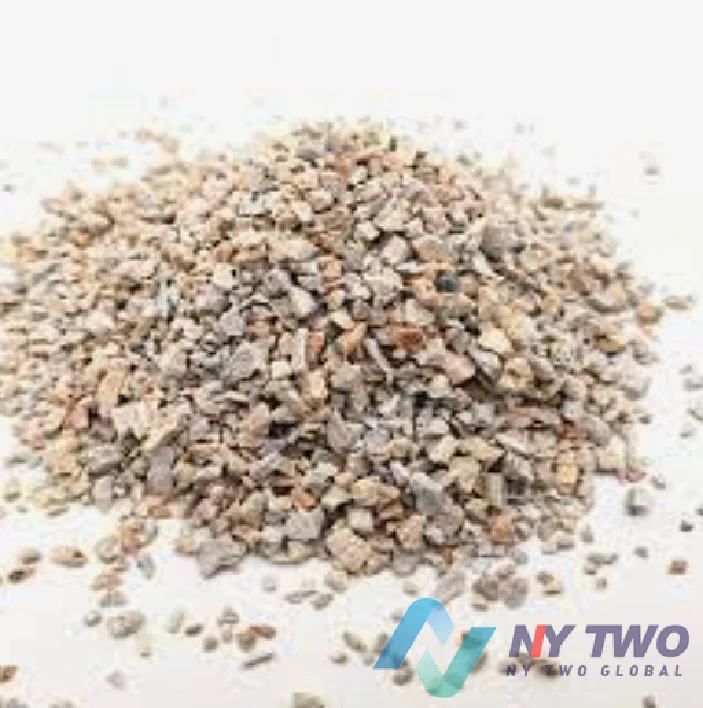
For example, in some cases, Calcined Bauxite can be used as a raw material for making refractory bricks for glass melting furnaces. It provides good resistance to the high - temperature glass and helps to maintain the quality of the glass being produced.
Foundry Industry
In the foundry industry, refractory materials are used in crucibles, ladles, and molds. Crucibles are used to melt metals such as iron, steel, aluminum, and copper. They need to be able to withstand the high melting temperatures of these metals and prevent the contamination of the molten metal.
Ladles are used to transport and pour the molten metal. The refractory lining in ladles protects the steel shell from the high - temperature metal and reduces heat loss. Molds, on the other hand, are used to shape the solidified metal. Refractory coatings can be applied to the molds to improve their release properties and prevent the metal from sticking.
Power Generation Industry
Power plants, especially those that use coal or biomass as fuel, also rely on refractory materials. In pulverized coal - fired boilers, the refractory lining in the combustion chamber protects the boiler tubes from the high - temperature flames and the abrasive action of the coal particles.
The lining also helps to maintain the combustion efficiency by reducing heat loss. In fluidized bed boilers, which operate at lower temperatures but have a more aggressive environment due to the fluidized bed of particles, refractory materials are used to line the furnace walls and other components.
Chemical Industry
In the chemical industry, there are many processes that involve high temperatures and corrosive chemicals. Refractory materials are used in reactors, furnaces, and other equipment to protect the structures from the harsh conditions.
For example, in the production of petrochemicals, the cracking furnaces operate at high temperatures and are exposed to corrosive hydrocarbons. The refractory lining in these furnaces needs to have excellent thermal and chemical resistance.
Conclusion
As you can see, refractory materials are used in a wide range of industries, and their importance cannot be overstated. They help to improve the efficiency, safety, and lifespan of high - temperature equipment. At our company, we are committed to providing high - quality refractory materials to meet the diverse needs of our customers.
If you're in the market for refractory materials for your industry, whether it's steel, cement, glass, foundry, power generation, or chemical, we'd love to have a chat with you. We have a team of experts who can help you select the right materials for your specific application. Don't hesitate to reach out for a discussion about your procurement needs.
References
- "Refractories Handbook" by John Smith
- "Industrial Furnaces and Refractory Technology" by Jane Doe
- Industry reports from leading research institutions on refractory materials applications.