

What are the competitive advantages of different Fused Magnesia suppliers?
Fused magnesia is a crucial refractory material widely used in various industries such as steelmaking, cement production, and glass manufacturing. As a fused magnesia supplier, understanding the competitive advantages of different suppliers in the market is essential for both suppliers and buyers. In this blog, I'll share insights from my experience as a fused magnesia supplier and analyze the unique selling points of different players in the industry.
1. Product Quality
One of the most significant competitive advantages for a fused magnesia supplier is the quality of the product. High - quality fused magnesia typically has a high content of magnesium oxide (MgO), low levels of impurities, and excellent refractoriness.
Some suppliers source their raw materials from high - grade magnesite mines. For example, mines in regions with unique geological conditions can produce magnesite with a naturally high MgO content. By using such high - quality raw materials, these suppliers can manufacture fused magnesia with an MgO content of over 95%, sometimes even reaching 98% or higher. This high - purity product is highly sought after in industries where extreme heat resistance and chemical stability are required, such as in the lining of high - temperature steelmaking furnaces.
On the other hand, some suppliers focus on advanced production processes. They may use state - of the - art electric arc furnaces with precise temperature and chemical control systems. These systems ensure that the melting and crystallization processes of magnesite are carried out under optimal conditions, resulting in a more uniform and dense crystal structure of the fused magnesia. This type of product has better mechanical strength and thermal shock resistance, which can significantly extend the service life of refractory linings.
2. Production Capacity
Production capacity is another key competitive factor. Large - scale suppliers with high production capacity can meet the bulk orders of major industrial customers. They have the ability to produce thousands of tons of fused magnesia per month, which is crucial for industries like steelmaking that require a continuous and large - volume supply of refractory materials.
These large suppliers often have multiple production lines and advanced equipment. For instance, they may have several large - sized electric arc furnaces operating simultaneously, which not only increases the overall output but also allows for some flexibility in production scheduling. This means they can quickly adjust their production volume according to market demand, ensuring a stable supply to customers.
In contrast, small - scale suppliers may have limited production capacity. However, they can still find their niche in the market. They can focus on producing customized or specialty fused magnesia products. For example, they can produce small batches of fused magnesia with specific particle sizes or crystal structures for research institutions or small - scale manufacturers with unique requirements.
3. Cost - effectiveness
Cost - effectiveness is a major consideration for buyers. Some suppliers can offer competitive prices due to their efficient cost management. They may have long - term contracts with raw material suppliers, which allows them to secure raw materials at lower prices. Additionally, they may have optimized their production processes to reduce energy consumption and labor costs.
For example, a supplier that has invested in energy - saving technologies in its electric arc furnaces can significantly reduce its electricity bills. This cost advantage can be passed on to the customers in the form of lower prices. Moreover, suppliers located in regions with lower labor costs or more favorable tax policies may also be able to offer more affordable products.
However, it's important to note that cost - effectiveness is not just about low prices. A supplier that can offer a good balance between price and quality is more likely to win customers. A product that is too cheap but of poor quality may end up costing the customer more in the long run due to frequent replacements and maintenance.
4. Technological Innovation
In the highly competitive fused magnesia market, technological innovation can set a supplier apart. Some suppliers invest heavily in research and development to improve their products and production processes.
For example, they may be working on developing new types of fused magnesia with enhanced properties. This could include creating fused magnesia with better corrosion resistance against specific slag compositions in steelmaking. By using advanced materials science techniques, they can modify the chemical composition and crystal structure of the product to achieve these improved properties.
In terms of production processes, suppliers may be exploring new ways to reduce environmental impact. For instance, they may be developing methods to recycle waste materials generated during the production of fused magnesia or finding alternative energy sources for their furnaces. These innovative approaches not only make the production more sustainable but also enhance the supplier's reputation in the market.
5. Customer Service
Good customer service is an often - overlooked but crucial competitive advantage. A supplier that provides excellent customer service can build long - term relationships with its customers.
This includes providing timely and accurate information about products, such as technical specifications, delivery times, and pricing. A responsive sales team that can quickly answer customer inquiries and provide solutions to problems is highly valued. For example, if a customer has a question about the compatibility of a certain type of fused magnesia with their existing refractory lining, the supplier's technical support team should be able to provide detailed and professional advice.
In addition, suppliers that offer flexible delivery options and after - sales service are more likely to satisfy their customers. They can arrange for on - time delivery to the customer's location, even for international orders. And in case of any quality issues after the product is delivered, they should be willing to take responsibility and provide appropriate compensation or replacement.
6. Market Reputation and Certification
A supplier's market reputation and certifications can also be a significant competitive advantage. A supplier with a long - standing good reputation in the market is more likely to be trusted by customers. This reputation is built on years of providing high - quality products, reliable service, and fair business practices.
Certifications such as ISO 9001 (Quality Management System), ISO 14001 (Environmental Management System), and relevant industry - specific certifications can also enhance a supplier's credibility. These certifications indicate that the supplier has met certain international standards in terms of product quality, environmental protection, and management processes. For example, an ISO 9001 - certified supplier is more likely to have a well - established quality control system in place, which gives customers more confidence in the quality of the fused magnesia they purchase.
Our Company's Position
As a fused magnesia supplier, we strive to combine multiple competitive advantages. We source our raw materials from carefully selected high - grade magnesite mines to ensure the high purity of our products. Our production facilities are equipped with advanced electric arc furnaces and strict quality control systems. We have a moderate production capacity that allows us to meet both bulk orders and customized requirements.
In terms of cost - effectiveness, we have optimized our production processes to reduce costs while maintaining high quality. We also invest in technological innovation to continuously improve our products and production methods. Our customer service team is dedicated to providing the best support to our customers, from pre - sales consultation to after - sales service.
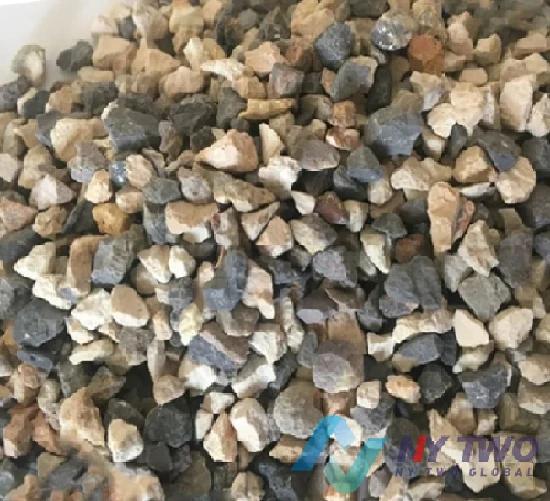
We understand that different customers have different needs. Whether you are a large - scale steel manufacturer or a small - scale research institution, we can offer you suitable fused magnesia products. If you are interested in Fused Alumina, Brown Fused Alumina Hs Code, or Rotary Kiln Bauxite, we can also provide relevant information and products.
If you are looking for a reliable fused magnesia supplier, we invite you to contact us for procurement discussions. We are confident that our products and services will meet your expectations.
References
- "Refractories Handbook" by John Smith, published by Industrial Press.
- "Advanced Materials in High - Temperature Industries" by Mary Johnson, published by Academic Publishers.
- Industry reports from leading market research firms on the refractory materials market.