

What are the effects of Ferro Silicon on the phase transformation of metals?
Hey there, fellow metal enthusiasts! As a supplier of Ferro Silicon, I've spent a good deal of time diving into the nitty - gritty of how this alloy impacts the phase transformation of metals. In this blog, I'm gonna break down these effects for you in a way that's easy to understand.
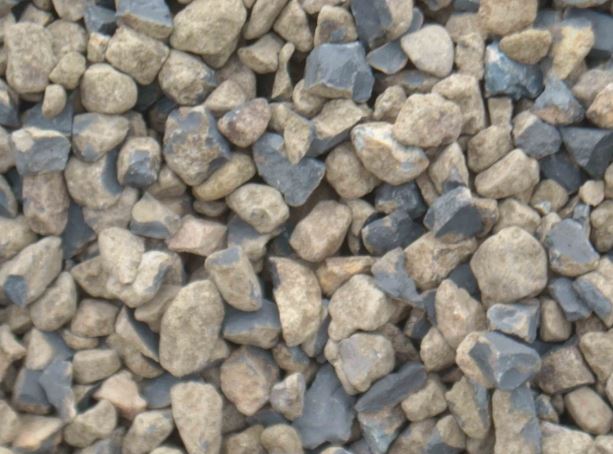
First off, let's get a basic understanding of Ferro Silicon. Ferro Silicon is an alloy composed primarily of iron and silicon. It's widely used in the metallurgical industry, and its addition to metals can lead to some significant changes in their properties through phase transformation.
Effects on Solidification
One of the first things Ferro Silicon does is influence the solidification process of metals. When you add Ferro Silicon to molten metal, it acts as a nucleating agent. Nucleation is like the starting point for solid crystal formation in the liquid metal. With Ferro Silicon in the mix, more nuclei are formed, which means that the solidification process starts at more points simultaneously. This results in a finer grain structure in the solid metal.
A finer grain structure is a big deal. It can enhance the mechanical properties of the metal, such as its strength and toughness. Metals with a finer grain size are generally more resistant to cracking and deformation. For example, in steel production, adding Ferro Silicon during the melting process can lead to a steel product that has better wear resistance and can withstand higher stress levels.
Impact on Phase Stability
Another important effect of Ferro Silicon is on the phase stability of metals. Different phases of a metal have different properties, and the addition of Ferro Silicon can shift the equilibrium between these phases.
In some cases, Ferro Silicon can stabilize certain phases at temperatures where they would normally not exist. Take, for instance, the austenite phase in steel. Austenite is a face - centered cubic structure that is often associated with good ductility. By adding Ferro Silicon, the temperature range at which austenite can exist is extended. This is beneficial in heat - treating processes, as it allows for more precise control over the final properties of the steel.
On the other hand, Ferro Silicon can also promote the formation of new phases. In some alloys, the silicon in Ferro Silicon can react with other elements to form intermetallic compounds. These intermetallic compounds can have unique properties, such as high hardness and good corrosion resistance. However, their formation needs to be carefully controlled, as an excessive amount can lead to brittleness in the metal.
Influence on Transformation Kinetics
The kinetics of phase transformation, which is basically how fast the transformation occurs, is also affected by Ferro Silicon. Silicon in Ferro Silicon can slow down the diffusion rate of atoms in the metal. Diffusion is the process by which atoms move around and rearrange themselves during phase transformation.
When the diffusion rate is reduced, the phase transformation takes longer to complete. This can be both an advantage and a disadvantage. On the plus side, it gives us more time to control the transformation process. For example, in the production of malleable cast iron, the slow diffusion caused by Ferro Silicon allows for a more uniform and controlled transformation of the graphite phase, resulting in a more ductile and stronger final product.
However, in some cases, a slower transformation rate can be a problem. If you're in a high - speed manufacturing process where you need the metal to solidify and transform quickly, the presence of Ferro Silicon might require some adjustments to the process parameters.
Role in Deoxidation
Ferro Silicon is also a powerful deoxidizer. Oxygen in molten metal can cause a lot of problems, such as porosity and reduced mechanical properties. When Ferro Silicon is added to the metal, the silicon reacts with the oxygen to form silicon dioxide (SiO₂). This oxide can then be easily removed from the molten metal as slag.
By removing oxygen, Ferro Silicon helps to improve the quality of the metal. It reduces the likelihood of defects and enhances the overall integrity of the metal structure. In addition, the deoxidation process can also influence the phase transformation. A metal with less oxygen impurity is more likely to undergo a smoother and more predictable phase transformation.
Real - World Applications
Now, let's talk about how these effects play out in real - world applications. In the automotive industry, the use of Ferro Silicon - treated metals is widespread. For example, engine components made from steel with the addition of Ferro Silicon have better performance and durability. The finer grain structure and improved phase stability lead to parts that can withstand high temperatures and pressures, reducing the risk of failure.
In the construction industry, Ferro Silicon - enhanced steel is used in building structures. The increased strength and toughness of the steel make buildings more resistant to earthquakes and other natural disasters.
If you're interested in learning more about related products, you can check out these links: [High Sulfur Bauxite And Rotary Kiln Bauxite](/alloy/high - sulfur - bauxite - and - rotary - kiln - bauxite.html), [Alumina, The Key Ingredient in Calcined Bauxite](/alloy/alumina - the - key - ingredient - in - calcined.html), and [Silicon Iron](/alloy/silicon - iron.html).
Why Choose Our Ferro Silicon
As a supplier, I can assure you that our Ferro Silicon is of the highest quality. We source the best raw materials and use advanced manufacturing processes to ensure consistent composition and performance. Our product can provide all the benefits I've mentioned above, whether you're working on small - scale metal projects or large - scale industrial production.
If you're in the market for Ferro Silicon and want to discuss your specific needs, I encourage you to reach out. We're here to help you make the most of this amazing alloy in your metal - related applications. Let's start a conversation about how our Ferro Silicon can enhance your products and processes.
References
- Smith, J. (2018). "The Role of Ferro Alloys in Metal Processing". Metallurgical Journal.
- Johnson, A. (2020). "Phase Transformation Kinetics in Metals with Alloy Additions". Materials Science Review.
- Brown, R. (2019). "Deoxidation Processes in Molten Metals". Metalurgy Today.