

What are the health effects of Fused Mullite exposure?
Fused mullite is a high - performance refractory material widely used in various industrial applications. As a fused mullite supplier, I often encounter questions from customers regarding its health effects. In this blog, I'll delve into the scientific aspects of fused mullite exposure and provide a comprehensive understanding of its potential impact on human health.
Introduction to Fused Mullite
Fused mullite is produced by fusing high - alumina bauxite and other additives in an electric arc furnace at extremely high temperatures. It has excellent thermal stability, high refractoriness, and good chemical resistance, making it an ideal material for applications in industries such as steelmaking, ceramics, and glass manufacturing.
Physical and Chemical Properties of Fused Mullite
The physical and chemical properties of fused mullite play a crucial role in determining its health effects. Fused mullite typically has a high melting point, usually above 1800°C, and a relatively low solubility in water. Its main chemical composition is a combination of aluminum oxide ($Al_{2}O_{3}$) and silicon dioxide ($SiO_{2}$), with a characteristic crystal structure that contributes to its stability.
Routes of Exposure
There are several ways in which individuals can be exposed to fused mullite. The most common routes are inhalation, skin contact, and ingestion.
Inhalation
In industrial settings where fused mullite is processed, ground, or used in high - temperature operations, fine dust particles can be generated. Inhalation of these dust particles is a significant concern. Workers in industries such as refractory manufacturing, where fused mullite is a key raw material, are at a higher risk of inhaling these particles. The small size of the dust particles allows them to penetrate deep into the respiratory system, reaching the lungs.
Skin Contact
Direct skin contact with fused mullite can occur during handling, packaging, or maintenance of equipment in the production process. Prolonged or repeated skin contact may cause skin irritation, especially if the skin is already damaged or sensitive.
Ingestion
Although ingestion of fused mullite is less common, it can happen accidentally, for example, if workers do not follow proper hygiene practices and contaminate their food or drinks with fused mullite dust.
Health Effects of Inhalation
Inhalation of fused mullite dust is the most studied route of exposure. The health effects can range from acute to chronic, depending on the duration and intensity of exposure.
Acute Effects
In the short - term, inhaling a large amount of fused mullite dust can cause irritation of the upper respiratory tract. Symptoms may include coughing, sneezing, and a sore throat. These symptoms are usually temporary and subside once the exposure stops. However, in some cases, acute exposure can also lead to more severe respiratory problems, such as shortness of breath and chest tightness.
Chronic Effects
Long - term exposure to fused mullite dust is associated with more serious health problems. One of the most well - known chronic effects is pneumoconiosis, a group of lung diseases caused by the inhalation of mineral dust. In the case of fused mullite, the main concern is aluminosis, a form of pneumoconiosis caused by the inhalation of aluminum - containing dust.
Aluminosis can cause progressive scarring of the lung tissue, leading to reduced lung function over time. Symptoms of aluminosis may include persistent cough, fatigue, and decreased exercise tolerance. In severe cases, it can lead to respiratory failure. Studies have also suggested a possible link between long - term exposure to fused mullite dust and an increased risk of lung cancer, although more research is needed to establish a definitive causal relationship.
Health Effects of Skin Contact
As mentioned earlier, direct skin contact with fused mullite can cause skin irritation. The dust particles can abrade the skin surface, leading to redness, itching, and in some cases, the development of rashes. Workers who handle fused mullite without proper protective equipment are at a higher risk of developing skin problems. In addition, if the skin is damaged and exposed to fused mullite dust, there may be an increased risk of infection.
Health Effects of Ingestion
Ingestion of fused mullite is not a common route of exposure, but it can still have potential health effects. Since fused mullite is relatively insoluble in water, it is likely to pass through the digestive system without being absorbed in large amounts. However, in rare cases, ingestion of a large quantity of fused mullite dust may cause irritation of the gastrointestinal tract, leading to symptoms such as nausea, vomiting, and abdominal pain.
Preventive Measures
As a fused mullite supplier, I understand the importance of ensuring the health and safety of workers in industries that use our product. Here are some preventive measures that can be taken to minimize the risk of exposure:
Engineering Controls
In industrial settings, engineering controls such as ventilation systems can be installed to remove dust particles from the air. Local exhaust ventilation systems can be particularly effective in capturing dust at the source, reducing the concentration of dust in the workplace.
Personal Protective Equipment (PPE)
Workers should be provided with appropriate PPE, including respirators, gloves, and protective clothing. Respirators should be selected based on the type and concentration of dust in the workplace. Gloves can prevent skin contact with fused mullite, and protective clothing can cover the body and reduce the risk of dust settling on the skin.
Hygiene Practices
Good hygiene practices are essential to prevent ingestion of fused mullite dust. Workers should wash their hands thoroughly before eating, drinking, or smoking. They should also avoid eating or drinking in areas where fused mullite dust is present.
Comparison with Other Refractory Materials
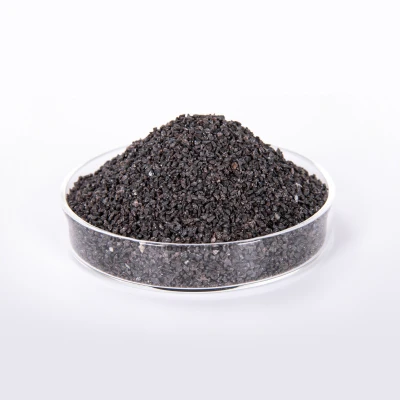
It's also useful to compare the health effects of fused mullite with other similar refractory materials. For example, Brown Fused Alumina(one) is another commonly used refractory material. Similar to fused mullite, inhalation of brown fused alumina dust can also cause respiratory problems, including pneumoconiosis. However, the specific chemical composition and particle size distribution of brown fused alumina may result in slightly different health effects compared to fused mullite.
Sintered Mullite is another alternative to fused mullite. Sintered mullite is produced by sintering at a lower temperature compared to fused mullite. The production process of sintered mullite may generate less dust, potentially reducing the risk of inhalation exposure. However, it still contains similar chemical components and may pose similar health risks if proper safety measures are not taken.
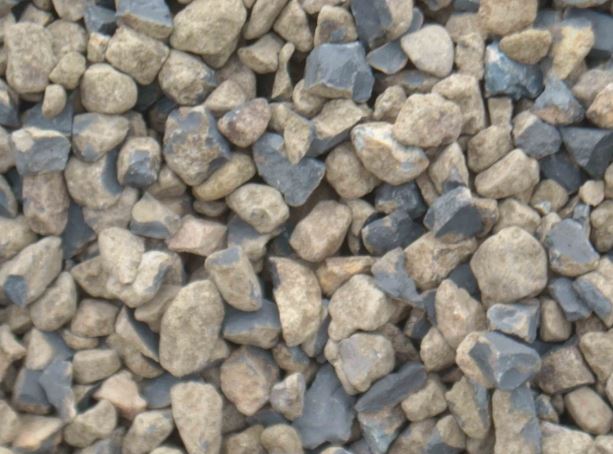
Calcined Bauxite Aggregate in The UK is also a refractory material related to fused mullite, as bauxite is a raw material for fused mullite production. Exposure to calcined bauxite aggregate dust can also cause respiratory problems, and similar preventive measures should be implemented in industries that use this material.
Conclusion
In conclusion, while fused mullite is a valuable refractory material with many industrial applications, it is important to be aware of its potential health effects. Inhalation of fused mullite dust is the most significant health concern, with both acute and chronic effects on the respiratory system. Skin contact can cause irritation, and ingestion may lead to gastrointestinal problems in rare cases.
As a fused mullite supplier, I am committed to providing high - quality products while also ensuring the safety of workers in industries that use our product. By implementing proper preventive measures, such as engineering controls, PPE, and good hygiene practices, the risk of exposure to fused mullite can be minimized.
If you are interested in purchasing fused mullite for your industrial applications, I encourage you to contact us for more information. We can provide detailed product specifications and discuss how to handle our products safely. Our team of experts is always ready to assist you in making the right choice for your specific needs.
References
- International Labour Organization. Occupational Safety and Health Series: Respiratory diseases caused by mineral dusts.
- National Institute for Occupational Safety and Health (NIOSH). Criteria for a Recommended Standard: Occupational Exposure to Aluminum and Aluminum Compounds.
- World Health Organization. Air Quality Guidelines for Particulate Matter, Ozone, Nitrogen Dioxide and Sulfur Dioxide.