

What are the heat - resistance limits of White Fused Alumina?
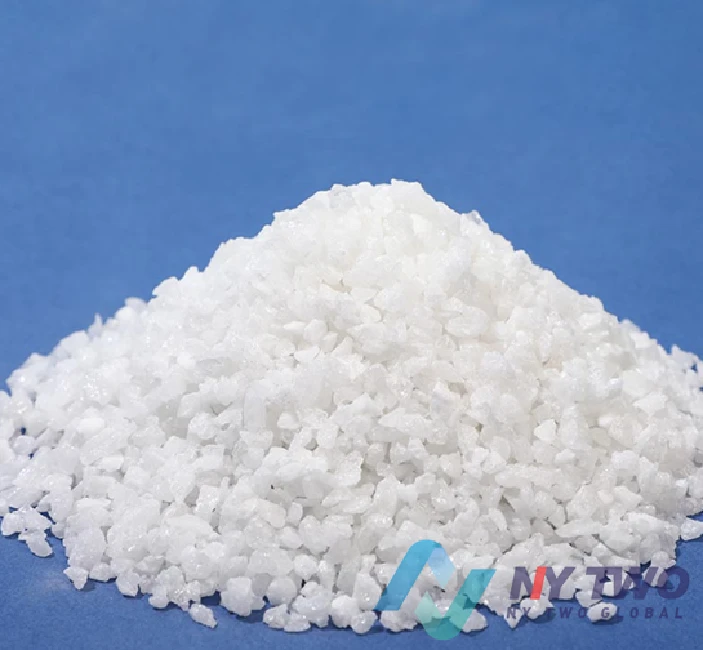
As a supplier of White Fused Alumina, I often get asked about its heat - resistance limits. White Fused Alumina is a super versatile material, and understanding its heat - resistance is key for a whole bunch of applications.
Let's start with the basics. White Fused Alumina is made by melting high - purity alumina powder in an electric arc furnace at extremely high temperatures. This process results in a material that's super hard, chemically stable, and has excellent heat - resistant properties.
The heat - resistance of White Fused Alumina is mainly determined by its chemical composition and crystal structure. It's composed mostly of alpha - alumina, which has a very high melting point. In fact, the melting point of pure alpha - alumina is around 2054°C (3729°F). This means that White Fused Alumina can withstand extremely high temperatures before it starts to melt.
However, just because it has a high melting point doesn't mean it can handle any heat - related situation. There are a few factors that can affect its heat - resistance in real - world applications.
One of these factors is the presence of impurities. Even though White Fused Alumina is made from high - purity materials, there can still be some trace impurities. These impurities can lower the material's melting point and its overall heat - resistance. For example, if there are small amounts of silica or other oxides present, they can form low - melting - point phases when heated, which can lead to the softening or even melting of the alumina at lower temperatures.
Another factor is the mechanical stress it's under when heated. When White Fused Alumina is heated, it expands. If it's constrained in some way, like being part of a fixed structure, the expansion can create internal stresses. These stresses can cause cracking or even breakage of the material, especially at high temperatures. So, how well it performs under heat also depends on how it's installed and supported.
In industrial applications, the heat - resistance limits of White Fused Alumina are often defined by the specific requirements of the process. For instance, in the steel - making industry, it's used in refractory linings of furnaces. These linings need to withstand temperatures close to the melting point of steel, which can be around 1500 - 1600°C (2732 - 2912°F). White Fused Alumina can handle these temperatures well, as long as the other factors I mentioned, like impurities and mechanical stress, are kept in check.
In the ceramic industry, White Fused Alumina is used in the manufacturing of high - temperature ceramics. These ceramics can be used in things like heating elements, kiln furniture, and thermal insulation. In these applications, the heat - resistance requirements can vary widely. Some high - end applications may require the material to withstand temperatures up to 1800°C (3272°F) for extended periods.
Now, when it comes to using White Fused Alumina in other industries, it's important to know its limits. For example, if you're thinking about using it in a foundry for casting non - ferrous metals like aluminum or copper, the heat - resistance requirements are different. The melting point of aluminum is around 660°C (1220°F), and for copper, it's around 1084°C (1983°F). White Fused Alumina can easily handle these temperatures, but again, the presence of impurities and mechanical stress need to be considered.
If you're in the UK and you're looking for more refractory materials, you might want to check out Calcined Bauxite Aggregate in The UK. It's another great option for high - temperature applications. And if you're interested in metal powders for your refractory projects, 63 - 125µm Magnalium Powder, MgAl, 50/50, Powder - Alloy Of Magnesium And Aluminium, Aluminium/Magnesium Alloy Powder, Various Quantities Available could be just what you need. Also, if you're dealing with Tabular Alumina, you can find more information about its safety data in Tabular Alumina Msds.
In summary, the heat - resistance limits of White Fused Alumina are quite high, with its melting point around 2054°C (3729°F). But in real - world use, the actual temperature it can handle depends on impurities, mechanical stress, and the specific requirements of the application.
If you're in the market for White Fused Alumina or have questions about its heat - resistance for your project, don't hesitate to reach out to me. I'm here to help you find the right solution for your high - temperature needs. Whether you're in the steel, ceramic, foundry, or any other industry that requires heat - resistant materials, I can provide you with high - quality White Fused Alumina products. Let's talk and figure out the best option for your situation.
References
- "Handbook of Refractory Materials", Third Edition. This book provides comprehensive information on the properties and applications of various refractory materials, including White Fused Alumina and its heat - resistance characteristics.
- Industrial research papers on high - temperature materials. These papers often present the latest research findings on the performance of White Fused Alumina under different heat conditions and help in understanding its practical heat - resistance limits.