

What are the import regulations for Brown Fused Alumina?
Brown Fused Alumina (BFA) is a widely used abrasive and refractory material known for its hardness, high melting point, and excellent thermal properties. As a supplier of Brown Fused Alumina, understanding the import regulations is crucial for ensuring smooth international trade. This blog post will explore the key import regulations for Brown Fused Alumina, providing valuable insights for both importers and exporters.
1. Classification and Harmonized System (HS) Code
The first step in understanding import regulations is to correctly classify Brown Fused Alumina according to the Harmonized System (HS) code. The HS code is an international standard for classifying traded products, which helps customs authorities identify and regulate the import and export of goods.
Brown Fused Alumina is typically classified under HS code 2818.10.00, which covers "Corundum, alumina and aluminia earths, natural or artificial." This classification is important because it determines the applicable tariffs, duties, and regulatory requirements for importing Brown Fused Alumina into a particular country.
2. Tariffs and Duties
Tariffs and duties are the most significant cost factors in importing Brown Fused Alumina. The amount of tariffs and duties varies depending on the country of origin, the destination country, and the specific HS code.
Many countries have free trade agreements (FTAs) that can reduce or eliminate tariffs on certain products, including Brown Fused Alumina. For example, if you are importing Brown Fused Alumina from a country that has an FTA with the destination country, you may be eligible for preferential tariff rates. It is essential to research and understand the FTAs between the countries involved in the trade to take advantage of these benefits.
In addition to tariffs, some countries may also impose anti - dumping duties or countervailing duties on Brown Fused Alumina imports. These duties are designed to protect domestic industries from unfair trade practices, such as the sale of products at prices lower than their normal value or the receipt of government subsidies. Before importing, it is necessary to check if there are any anti - dumping or countervailing investigations or measures in place for Brown Fused Alumina in the destination country.
3. Quality and Safety Standards
Importing countries often have strict quality and safety standards for Brown Fused Alumina. These standards ensure that the imported products meet the requirements for use in various industries and do not pose a risk to human health or the environment.
One of the common quality standards for Brown Fused Alumina is the chemical composition. The content of alumina (Al₂O₃) is a critical parameter, and most countries require a minimum percentage of alumina in Brown Fused Alumina products. For example, high - quality Brown Fused Alumina usually contains more than 95% Al₂O₃.
Particle size distribution is another important quality factor. Different applications may require specific particle sizes of Brown Fused Alumina, and the import regulations may specify the acceptable range of particle sizes.
In terms of safety, Brown Fused Alumina should comply with relevant safety regulations, such as those related to dust emissions and handling. Some countries may require importers to provide safety data sheets (SDS) for Brown Fused Alumina, which contain information on the product's hazards, handling procedures, and emergency response measures.
4. Documentation Requirements
Accurate and complete documentation is essential for importing Brown Fused Alumina. The following are some of the common documents required:
- Commercial Invoice: This document provides details about the transaction, including the description of the goods, quantity, price, and terms of sale.
- Bill of Lading or Air Waybill: It serves as a receipt for the goods and evidence of the contract of carriage.
- Packing List: This list details the contents of each package, including the quantity, weight, and dimensions of the Brown Fused Alumina.
- Certificate of Origin: This certificate indicates the country where the Brown Fused Alumina was produced. It is important for determining the applicable tariff rates, especially under FTAs.
- Quality Certificate: A quality certificate issued by a recognized testing laboratory can verify that the Brown Fused Alumina meets the required quality standards.
5. Environmental Regulations
Environmental regulations are becoming increasingly important in international trade. When importing Brown Fused Alumina, it is necessary to comply with the environmental regulations of the destination country.
Some countries may have restrictions on the use of certain chemicals or substances in the production of Brown Fused Alumina. For example, the use of substances that are harmful to the ozone layer or cause pollution may be prohibited.
In addition, waste management and disposal regulations may also apply. Importers may be required to ensure that any waste generated during the handling and use of Brown Fused Alumina is disposed of in an environmentally friendly manner.
Our Offerings
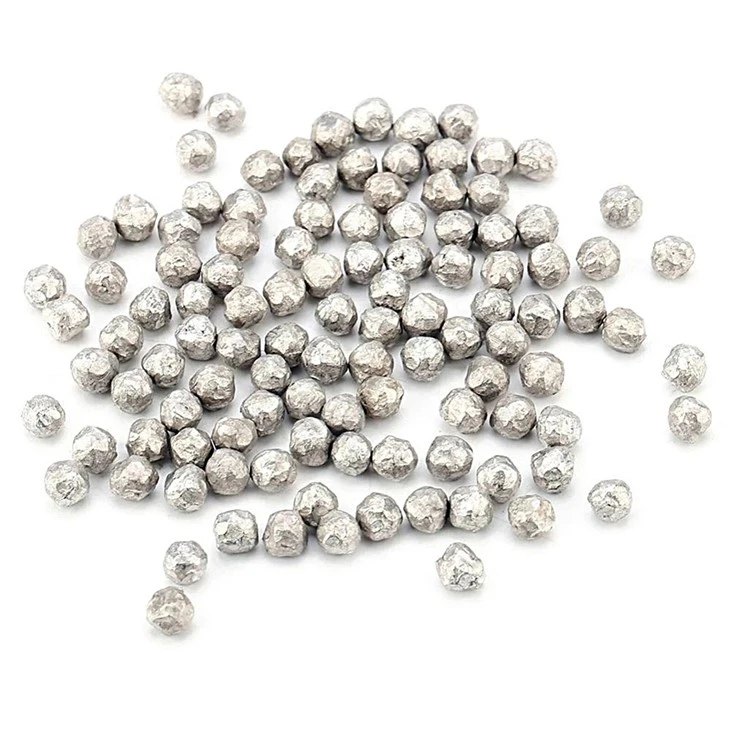
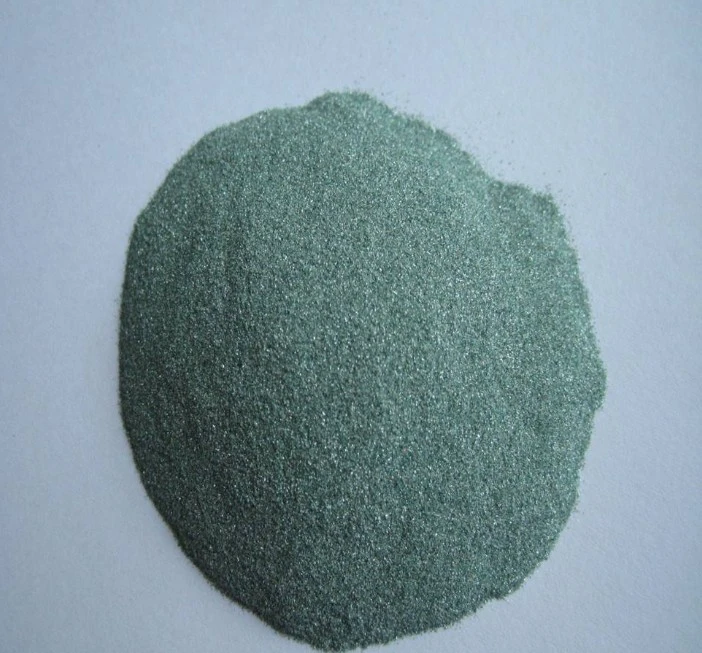
As a leading supplier of Brown Fused Alumina, we offer high - quality products that meet international standards. Our Brown fused alumina BFA 46# from china with competitive price is widely used in abrasives, refractories, and other industries. We also provide other related products, such as Silicon Carbide SIC120 and 500g Metal Bead 99.99% Pure Mg Metal Granules Small Beads For Alloy Material Manufacture.
Contact for Purchase
If you are interested in purchasing Brown Fused Alumina or any of our other products, we encourage you to contact us for further discussion. We can provide detailed information about our products, pricing, and shipping options. Our team of experts is ready to assist you in navigating the import regulations and ensuring a smooth purchasing process.
References
- World Customs Organization. Harmonized Commodity Description and Coding System.
- International Trade Centre. Trade Map - Tariff and Market Access Data.
- National regulatory agencies of different countries regarding product quality, safety, and environmental protection.