

What are the potential environmental impacts of Fused Magnesia production?
Fused magnesia is a high - quality refractory material widely used in various industries, including steelmaking, cement production, and glass manufacturing. As a fused magnesia supplier, I am well - aware of its importance in these sectors. However, it is also crucial to understand the potential environmental impacts associated with its production. This blog post aims to explore these impacts in detail.
1. Energy Consumption
The production of fused magnesia is an energy - intensive process. It typically involves melting magnesite (MgCO₃) or brucite (Mg(OH)₂) in an electric arc furnace at extremely high temperatures, often above 2800°C. The high - temperature melting process requires a significant amount of electrical energy.
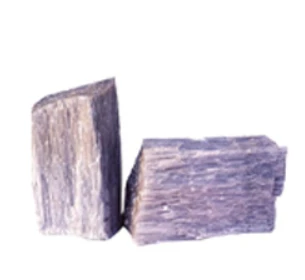

Most of the world's electricity is still generated from fossil fuels such as coal, oil, and natural gas. When we use electricity from these sources to produce fused magnesia, it leads to the emission of greenhouse gases (GHGs). For example, coal - fired power plants release large amounts of carbon dioxide (CO₂), which is a major contributor to global warming. According to the International Energy Agency (IEA), the energy sector is responsible for about three - quarters of global GHG emissions.
The high energy consumption in fused magnesia production also has implications for resource depletion. Fossil fuels are non - renewable resources, and their continuous extraction and use for energy production are depleting these resources at an alarming rate. As a fused magnesia supplier, I am constantly looking for ways to reduce the energy intensity of our production processes. This could involve investing in more energy - efficient furnaces or exploring alternative energy sources such as renewable energy.
2. Air Pollution
During the production of fused magnesia, several air pollutants are released into the atmosphere. One of the primary pollutants is particulate matter (PM). The melting and processing of magnesite or brucite can generate fine dust particles that can be inhaled by humans and animals. These PM particles can cause respiratory problems, including coughing, wheezing, and shortness of breath. Long - term exposure to high levels of PM can lead to more serious health issues such as lung cancer and heart disease.
In addition to PM, the production process may also release sulfur dioxide (SO₂) and nitrogen oxides (NOₓ). SO₂ is produced when the raw materials contain sulfur compounds. When released into the atmosphere, SO₂ can react with water vapor to form sulfuric acid, which is a major component of acid rain. Acid rain can damage forests, lakes, and buildings, and it can also have a negative impact on agricultural crops.
NOₓ are formed during the high - temperature combustion processes in the electric arc furnace. These pollutants can contribute to the formation of ground - level ozone, which is a harmful air pollutant. Ground - level ozone can cause respiratory irritation, reduce lung function, and exacerbate asthma and other respiratory diseases.
As a supplier, we are committed to implementing air pollution control measures. This may include installing dust collectors and scrubbers in our production facilities to capture PM, SO₂, and NOₓ before they are released into the atmosphere.
3. Water Pollution
Water is used in various stages of the fused magnesia production process, including cooling and washing. The wastewater generated from these processes can contain high levels of heavy metals such as magnesium, iron, and aluminum, as well as other contaminants. If this wastewater is not properly treated before being discharged into water bodies, it can cause water pollution.
Heavy metals in water can accumulate in the tissues of aquatic organisms, leading to bioaccumulation and biomagnification. This means that the concentration of heavy metals increases as it moves up the food chain. For example, small fish may absorb heavy metals from the water, and then larger fish that eat the small fish will accumulate even higher levels of these metals. Eventually, humans who consume contaminated fish can be exposed to high levels of heavy metals, which can have serious health effects.
To address water pollution issues, we have established wastewater treatment facilities at our production sites. These facilities use various treatment methods, such as sedimentation, filtration, and chemical precipitation, to remove heavy metals and other contaminants from the wastewater before it is discharged.
4. Solid Waste Generation
The production of fused magnesia also generates a significant amount of solid waste. This includes slag, which is a by - product of the melting process in the electric arc furnace. Slag contains various minerals and metals, and if not properly managed, it can take up a large amount of landfill space.
In addition to slag, there may also be waste materials generated during the raw material preparation and processing stages. For example, the screening and crushing of magnesite or brucite can generate waste rock and dust.
To reduce the environmental impact of solid waste, we are exploring ways to recycle and reuse these waste materials. For instance, slag can be used as a raw material in the production of Electric Cast Mullite Brick or other refractory products. By recycling slag, we can not only reduce the amount of waste sent to landfills but also conserve natural resources.
5. Land Use and Habitat Destruction
The extraction of raw materials for fused magnesia production, such as magnesite and brucite, often requires large - scale mining operations. These mining activities can have a significant impact on land use and habitat destruction.
Mining operations involve clearing large areas of land, which can destroy natural habitats for plants and animals. This can lead to a loss of biodiversity, as many species may lose their homes and food sources. In addition, the construction of mining infrastructure, such as roads, processing plants, and storage facilities, can further fragment habitats and disrupt ecological processes.
As a responsible supplier, we are committed to minimizing the environmental impact of our raw material extraction. This may involve implementing reclamation and restoration plans after mining activities are completed. Reclamation can include activities such as replanting native vegetation, restoring soil fertility, and creating artificial habitats for wildlife.
Mitigation Strategies and Future Outlook
Despite the potential environmental impacts of fused magnesia production, there are several strategies that can be implemented to mitigate these impacts. As mentioned earlier, investing in energy - efficient technologies and renewable energy sources can reduce energy consumption and GHG emissions. Implementing air and water pollution control measures can help to protect the environment and human health. Recycling and reusing solid waste can reduce the amount of waste sent to landfills and conserve natural resources.
In the future, we expect to see more research and development in the field of sustainable fused magnesia production. This may include the development of new production processes that are more environmentally friendly, as well as the use of advanced materials and technologies to reduce the environmental impact at every stage of the production process.
As a fused magnesia supplier, we are dedicated to working with our customers, partners, and regulatory authorities to ensure that our production processes are as sustainable as possible. We believe that by taking proactive measures to address environmental issues, we can not only protect the environment but also create a more sustainable future for our industry.
If you are interested in purchasing high - quality fused magnesia products, or if you have any questions about our environmental initiatives, please feel free to contact us for further discussion. We are always ready to engage in procurement negotiations and provide you with the best products and services.
References
- International Energy Agency (IEA). (2023). Global Energy Review.
- World Health Organization (WHO). (2022). Air Quality Guidelines.
- United Nations Environment Programme (UNEP). (2023). Global Waste Management Outlook.