

What are the production costs of Ferro Manganese Low Carbon?
What are the production costs of Ferro Manganese Low Carbon?
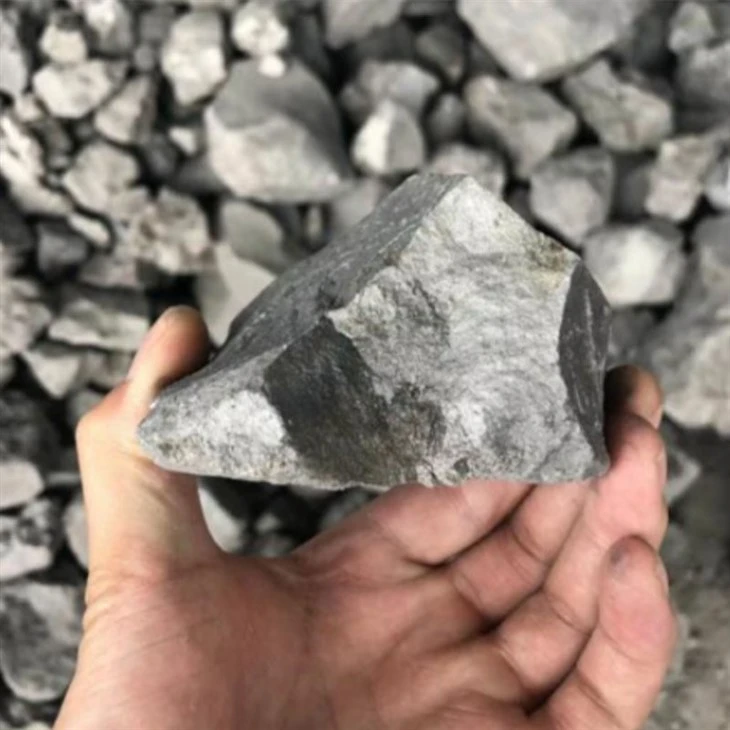
As a supplier of Ferro Manganese Low Carbon, I've often been asked about the production costs associated with this essential alloy. Understanding these costs is crucial not only for manufacturers but also for buyers who want to make informed decisions. In this blog post, I'll break down the various factors that contribute to the production costs of Ferro Manganese Low Carbon.
Raw Materials
The primary raw materials for producing Ferro Manganese Low Carbon are manganese ore, iron ore, and carbon sources. Manganese ore is the key ingredient, and its quality and price can significantly impact the production cost. High - grade manganese ores are more expensive but can lead to a higher - quality end - product. The price of manganese ore is subject to global market fluctuations, which are influenced by factors such as mining production levels, geopolitical issues in major mining regions, and changes in demand from industries like steelmaking.
Iron ore is another important component. The type and grade of iron ore used can vary depending on the specific requirements of the Ferro Manganese Low Carbon product. Similar to manganese ore, the price of iron ore is volatile and affected by factors such as supply and demand dynamics, mining efficiency, and transportation costs from the mines to the production facilities.
Carbon sources, such as coke or charcoal, are used to reduce the metal oxides during the smelting process. The choice of carbon source depends on its availability, cost, and the desired carbon content in the final product. Coke is a commonly used carbon source, and its price is influenced by the cost of coal, the main raw material for coke production, as well as coking technology and environmental regulations.
Energy Costs
The production of Ferro Manganese Low Carbon is an energy - intensive process. Smelting the raw materials requires a large amount of heat, which is typically generated by burning fossil fuels or using electricity. Energy costs can account for a significant portion of the total production cost.
In regions where electricity is the primary energy source, the cost of electricity can vary widely depending on the local energy market, government policies, and the time of day. For example, some areas offer lower electricity rates during off - peak hours, which can be an opportunity for producers to reduce energy costs. On the other hand, if fossil fuels are used, the price of coal, natural gas, or oil can fluctuate due to global market conditions, geopolitical tensions, and environmental policies.
Labor Costs
Skilled labor is essential for the production of Ferro Manganese Low Carbon. Workers are needed for various tasks, including operating the smelting furnaces, monitoring the production process, conducting quality control checks, and maintaining the equipment. Labor costs include wages, benefits, training, and safety measures.
The level of labor costs can vary depending on the region where the production facility is located. In developed countries, labor costs are generally higher due to higher wages, more comprehensive social security systems, and stricter labor laws. In contrast, in some developing countries, labor costs may be lower, but there may be challenges in terms of finding and retaining skilled workers.
Equipment and Maintenance
The production of Ferro Manganese Low Carbon requires specialized equipment, such as smelting furnaces, crushers, grinders, and conveyors. The initial investment in this equipment can be substantial. Additionally, regular maintenance and occasional upgrades are necessary to ensure the efficient and safe operation of the equipment.
The cost of equipment depends on its size, capacity, and technological sophistication. High - tech equipment may offer better efficiency and quality control but comes with a higher price tag. Maintenance costs include the cost of spare parts, labor for repairs, and preventive maintenance measures. Unplanned equipment breakdowns can lead to production delays and additional costs, so proper maintenance is crucial.
Transportation and Logistics
Once the Ferro Manganese Low Carbon is produced, it needs to be transported to the customers. Transportation costs include the cost of shipping the product by road, rail, or sea, as well as any associated handling and storage fees.
The distance between the production facility and the customer, the mode of transportation, and the volume of the shipment can all affect the transportation cost. For example, shipping large volumes of product over long distances by sea may be more cost - effective than using road transport for smaller quantities. Additionally, factors such as customs duties, tariffs, and regulatory requirements in different regions can also add to the overall logistics cost.
Quality Control and Certification
Ensuring the quality of Ferro Manganese Low Carbon is essential for meeting customer requirements and maintaining a good reputation in the market. Quality control measures include chemical analysis, physical testing, and compliance with industry standards. These measures require specialized equipment and trained personnel, which add to the production cost.
Certification from recognized organizations can also enhance the marketability of the product. Obtaining and maintaining certifications, such as ISO standards, may involve additional costs for audits, inspections, and documentation.
Market Competition and Pricing
The production costs of Ferro Manganese Low Carbon are also influenced by market competition. In a highly competitive market, producers may need to keep their costs down to offer competitive prices to customers. This can lead to cost - cutting measures in various aspects of the production process, such as sourcing cheaper raw materials or improving energy efficiency.
On the other hand, if there is a high demand for Ferro Manganese Low Carbon and limited supply, producers may have more flexibility in setting prices, which can offset some of the production costs. However, they still need to balance the price with the market's willingness to pay.
Related Products and Their Impact
In the alloy market, there are related products that can have an impact on the production and pricing of Ferro Manganese Low Carbon. For example, Ferro Silicon is another important alloy used in the steel industry. Changes in the production cost or market demand for Ferro Silicon can affect the overall alloy market and potentially influence the price and production decisions of Ferro Manganese Low Carbon.
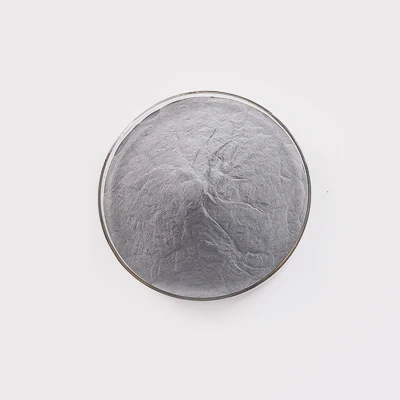
Similarly, Magnesium (Mg) Metal and Atomized Spherical Al - Mg Alloy Powder are also related products. Their market dynamics can have a ripple effect on the Ferro Manganese Low Carbon market, either through competition for raw materials or through changes in customer preferences.
Conclusion
In conclusion, the production costs of Ferro Manganese Low Carbon are influenced by a wide range of factors, including raw materials, energy, labor, equipment, transportation, quality control, and market competition. As a supplier, we constantly strive to optimize these costs while maintaining the high quality of our products.
If you are interested in purchasing Ferro Manganese Low Carbon or have any questions about our products, please feel free to contact us for further discussions. We are committed to providing you with the best - quality products at competitive prices.
References
- "Handbook of Ferroalloys" by various authors, a comprehensive guide on the production and properties of ferroalloys.
- Industry reports from market research firms that analyze the global market for Ferro Manganese Low Carbon and its raw materials.
- Academic papers on metallurgy and alloy production, which provide in - depth knowledge on the production processes and cost - related factors.