

What are the raw materials for making Fused Mullite?
Fused mullite is a high - performance refractory material widely used in various industrial fields due to its excellent properties such as high refractoriness, good thermal shock resistance, and low thermal conductivity. As a fused mullite supplier, I am often asked about the raw materials used in its production. In this blog, I will delve into the key raw materials for making fused mullite.
Alumina (Al₂O₃)
Alumina is one of the most crucial raw materials for producing fused mullite. It typically accounts for a large proportion of the composition. High - purity alumina sources are preferred to ensure the quality of the final product.
There are different types of alumina that can be used. For example, calcined alumina is a common choice. Calcined alumina is obtained by heating aluminum hydroxide at high temperatures, which drives off the water and results in a high - purity form of alumina. The alumina provides the framework for the mullite crystal structure. During the fusion process, alumina reacts with other components to form the characteristic mullite phase (3Al₂O₃·2SiO₂).
The quality of alumina has a significant impact on the properties of fused mullite. Higher - purity alumina generally leads to better - quality fused mullite with improved refractoriness and mechanical strength. Suppliers often source alumina from reliable manufacturers to ensure consistency in the raw material quality. You can find more information about refractory materials suppliers including those related to alumina at Fused Mullite Manufacturers & Suppliers.
Silica (SiO₂)
Silica is another essential raw material for making fused mullite. It combines with alumina during the high - temperature fusion process to form the mullite crystal structure. Silica can be sourced from various materials such as quartz sand, silica fume, or silica gel.
Quartz sand is a natural source of silica. It is relatively abundant and cost - effective. However, the purity of quartz sand may vary, and it often needs to be processed to remove impurities before being used in the production of fused mullite. Silica fume, on the other hand, is a by - product of the silicon and ferrosilicon alloy industries. It has a very fine particle size and high reactivity, which can enhance the formation of the mullite phase during the fusion process.
The ratio of alumina to silica is carefully controlled during the production of fused mullite. A proper ratio is necessary to ensure the formation of the desired mullite phase and to achieve the optimal properties of the final product. Deviations from the ideal ratio can lead to the formation of other phases, which may affect the performance of the fused mullite.
Other Additives
In addition to alumina and silica, some other additives may be used in the production of fused mullite to improve its properties.
Zirconia (ZrO₂)
Zirconia is a common additive. It can enhance the thermal shock resistance and mechanical strength of fused mullite. Zirconia undergoes a phase transformation at high temperatures, which can help to absorb and dissipate the energy generated during thermal cycling, thereby improving the material's ability to withstand rapid temperature changes. You can learn more about zirconia in refractory applications at ZrO2.
The addition of zirconia also affects the microstructure of fused mullite. It can refine the grain size and improve the density of the material, leading to better overall performance. However, the amount of zirconia added needs to be carefully controlled, as excessive zirconia may cause problems such as increased brittleness.
Titanium Dioxide (TiO₂)
Titanium dioxide can act as a mineralizer in the production of fused mullite. It can promote the formation of the mullite phase at lower temperatures and accelerate the reaction between alumina and silica. This can reduce the energy consumption during the production process and improve the production efficiency.
The presence of titanium dioxide also has an impact on the color and some physical properties of fused mullite. It can slightly change the refractive index and color of the material, but these changes are usually within an acceptable range and can be adjusted according to the specific requirements of the application.
Comparison with Other Refractory Materials
When considering the raw materials for fused mullite, it is also interesting to compare it with other refractory materials. For example, brown corundum and white corundum are also widely used in the refractory industry. You can find a detailed comparison between them at Brown Corundum And White Corundum Difference.
Brown corundum is mainly composed of alumina with some impurities such as titanium dioxide and iron oxide. It is relatively hard and has good abrasion resistance. White corundum, on the other hand, has a higher purity of alumina and is known for its high hardness and excellent chemical stability.
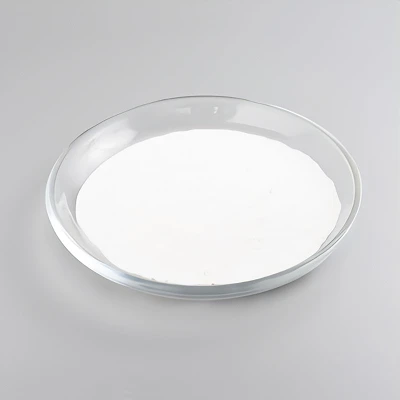
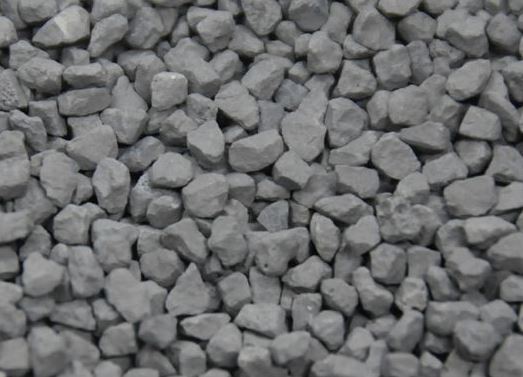
Fused mullite, with its unique combination of alumina, silica, and additives, offers a different set of properties. It has better thermal shock resistance compared to some corundum - based materials, which makes it more suitable for applications where rapid temperature changes are common, such as in some high - temperature furnaces.
Quality Control of Raw Materials
As a fused mullite supplier, quality control of raw materials is of utmost importance. We implement strict inspection procedures for all incoming raw materials.
For alumina and silica, we test their chemical composition, particle size distribution, and purity. Advanced analytical techniques such as X - ray fluorescence (XRF) and laser particle size analysis are used to ensure that the raw materials meet our quality standards.
For additives like zirconia and titanium dioxide, we also verify their quality and purity. We work closely with our raw material suppliers to ensure a stable and high - quality supply. Any deviation from the quality requirements can lead to inconsistent product quality, which is unacceptable in the highly demanding refractory market.
Conclusion
In conclusion, the raw materials for making fused mullite mainly include alumina, silica, and various additives such as zirconia and titanium dioxide. Each raw material plays a crucial role in determining the properties of the final product. As a fused mullite supplier, we are committed to using high - quality raw materials and strict quality control measures to produce fused mullite that meets the diverse needs of our customers.
If you are interested in purchasing fused mullite or have any questions about its raw materials and applications, please feel free to contact us for further discussion and negotiation. We look forward to working with you to meet your refractory material requirements.
References
- "Refractory Materials: Principles and Practice" by John N. Mitchell
- "High - Temperature Materials and Technology" edited by R. C. Bradt, D. P. H. Hasselman, and F. F. Lange