

What are the solutions to the potential risks in using White Tabular Alumina?
Hey there! As a supplier of White Tabular Alumina, I've seen firsthand the amazing properties and wide - ranging applications of this stuff. It's used in refractory materials, abrasives, and many other industries. But like any material, it comes with its own set of potential risks. In this blog, I'm gonna talk about what those risks are and the solutions to tackle them.
Potential Risks of Using White Tabular Alumina
First off, let's take a look at the potential risks associated with White Tabular Alumina. One of the major concerns is inhalation. When the alumina is in a fine powder form, it can become airborne. If workers inhale these fine particles over a long period, it can lead to respiratory problems such as pneumoconiosis, a lung disease caused by the inhalation of dust.
Another risk is skin and eye irritation. White Tabular Alumina is an abrasive material. If it comes into contact with the skin, it can cause abrasions and irritation. And if it gets into the eyes, it can cause serious damage to the eye tissues.
There's also a risk in the manufacturing process. During the production of products using White Tabular Alumina, there may be issues with improper handling or storage. For example, if the material is not stored in a dry environment, it may absorb moisture, which can affect its quality and performance.
Solutions to the Risks
1. Respiratory Protection
To deal with the inhalation risk, proper respiratory protection is a must. Workers should wear high - quality respirators that are specifically designed to filter out fine particles. These respirators can effectively prevent the inhalation of White Tabular Alumina dust.
In addition to wearing respirators, it's also important to control the dust at the source. This can be achieved through the use of dust collection systems. For example, installing local exhaust ventilation systems near the areas where the alumina is being processed or handled can suck up the dust before it spreads into the air.
2. Skin and Eye Protection
For skin protection, workers should wear appropriate protective clothing, such as long - sleeved shirts, long pants, and gloves. The gloves should be made of materials that are resistant to abrasion and chemical penetration.
When it comes to eye protection, safety goggles or face shields should be worn at all times when working with White Tabular Alumina. These safety devices can prevent the alumina particles from getting into the eyes and causing damage.
3. Proper Handling and Storage
To avoid quality issues caused by improper handling and storage, strict procedures should be established. First of all, the storage area should be dry and well - ventilated. The White Tabular Alumina should be stored in sealed containers to prevent moisture absorption.
During the handling process, workers should be trained to use proper equipment and techniques. For example, when transferring the alumina, use closed - loop systems to minimize dust generation.
Additional Precautions and Best Practices
Apart from the basic solutions mentioned above, there are some additional precautions and best practices that can further reduce the risks.
Regular health check - ups for workers are very important. This can help detect any early signs of health problems caused by exposure to White Tabular Alumina. Workers should also be educated about the potential risks and the importance of following safety procedures.
In the manufacturing process, it's a good idea to conduct regular quality control checks. This can ensure that the products made with White Tabular Alumina meet the required standards and that there are no issues with its performance.
Related Products and Their Benefits
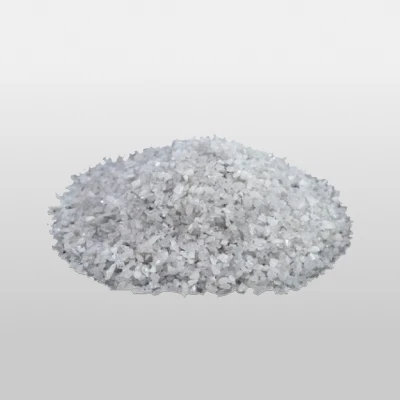
When using White Tabular Alumina, it's also worth considering some related products. For example, Aluminumsilicate can be used in combination with White Tabular Alumina in some refractory applications. Aluminumsilicate has good thermal insulation properties, which can enhance the overall performance of the refractory materials.
Another related product is Fused Brown Aluminum Oxide. Fused Brown Aluminum Oxide has high hardness and good abrasion resistance. It can be used in abrasives along with White Tabular Alumina to improve the cutting and grinding performance.
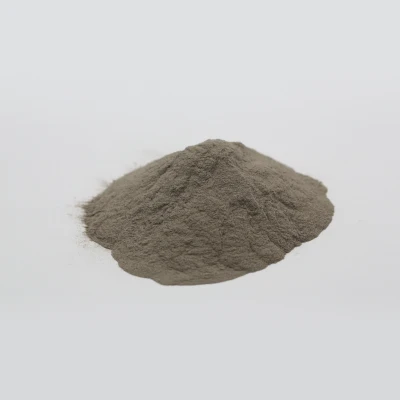
And if you're looking for a specific form of alumina, Brown Fused Alumina Micro Powder is available in different sizes. This micro powder can be used in precision grinding and polishing applications.
Conclusion
In conclusion, while there are potential risks in using White Tabular Alumina, there are also effective solutions to address them. By implementing proper safety measures, such as respiratory and skin protection, and following strict handling and storage procedures, we can minimize the risks and make the most of this amazing material.
If you're interested in purchasing White Tabular Alumina or any of the related products I mentioned, feel free to reach out to start a procurement discussion. We're here to provide you with high - quality products and professional advice.
References
- Occupational Safety and Health Administration (OSHA) guidelines on handling abrasive materials.
- Industry research reports on the properties and applications of White Tabular Alumina.