

What are the storage requirements for abrasives?
As a seasoned supplier of abrasives, I understand the critical role that proper storage plays in maintaining the quality and performance of these essential industrial materials. Abrasives are used in a wide range of applications, from metalworking and woodworking to surface finishing and polishing. Whether you're a manufacturer, a distributor, or an end-user, ensuring that your abrasives are stored correctly is essential to prevent degradation, damage, and loss of effectiveness. In this blog post, I'll share some key storage requirements for abrasives based on my years of experience in the industry.
Understanding the Types of Abrasives
Before delving into the storage requirements, it's important to understand the different types of abrasives available. Abrasives can be broadly classified into two categories: natural and synthetic. Natural abrasives, such as garnet, emery, and diamond, are derived from natural sources. Synthetic abrasives, on the other hand, are man-made and include materials like aluminum oxide, silicon carbide, and cubic boron nitride. Each type of abrasive has its own unique properties and characteristics, which can influence its storage requirements.
General Storage Guidelines
Regardless of the type of abrasive, there are some general storage guidelines that apply to all. These guidelines are designed to protect the abrasives from environmental factors that can cause degradation, contamination, and damage.
Temperature and Humidity Control
One of the most important factors to consider when storing abrasives is temperature and humidity control. Abrasives are sensitive to changes in temperature and humidity, which can affect their physical and chemical properties. High temperatures can cause the abrasives to lose their hardness and sharpness, while high humidity can lead to corrosion, rusting, and the growth of mold and mildew.
To prevent these issues, it's recommended to store abrasives in a cool, dry place with a temperature range of 10°C to 30°C (50°F to 86°F) and a relative humidity of less than 60%. If possible, use a climate-controlled storage facility or a dehumidifier to maintain the ideal temperature and humidity levels.
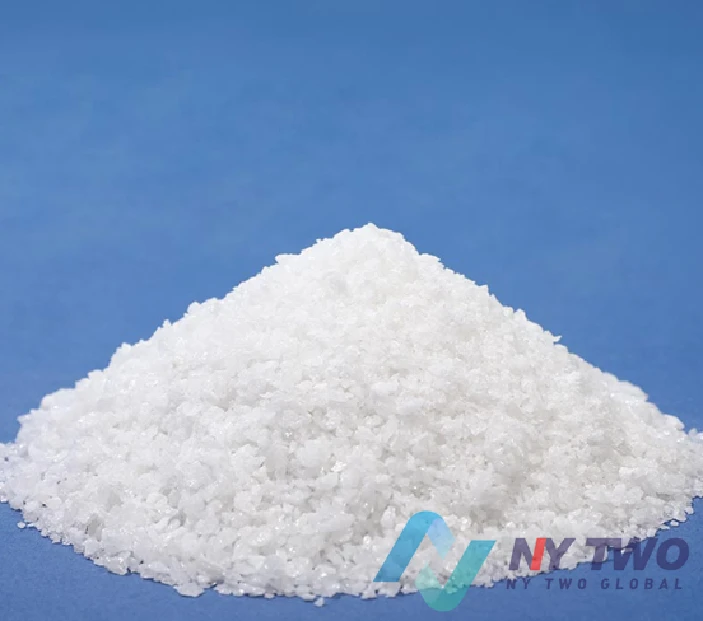
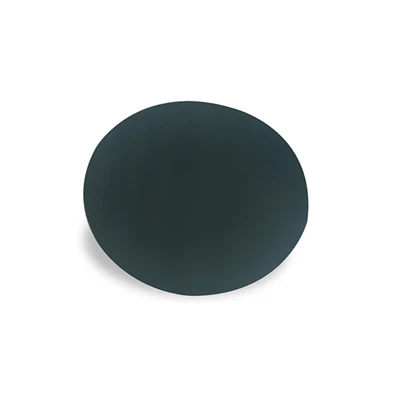
Protection from Dust and Contamination
Abrasives are prone to contamination from dust, dirt, and other foreign particles, which can affect their performance and quality. To prevent contamination, it's important to store abrasives in a clean, dust-free environment. Use sealed containers or storage cabinets to protect the abrasives from dust and other contaminants.
If you're handling abrasives in a manufacturing or industrial setting, make sure to wear appropriate protective equipment, such as gloves and masks, to prevent the inhalation of dust particles. Additionally, clean the storage area regularly to remove any dust or debris that may have accumulated.
Avoidance of Physical Damage
Abrasives are brittle materials that can be easily damaged if they are not handled and stored properly. To prevent physical damage, avoid dropping, crushing, or banging the abrasives. Use appropriate handling equipment, such as forklifts or pallet jacks, to move the abrasives safely.
When storing abrasives, make sure to stack them carefully to prevent them from toppling over or getting damaged. Avoid overloading the storage shelves or containers, as this can cause the abrasives to break or crack.
Specific Storage Requirements for Different Types of Abrasives
In addition to the general storage guidelines, there are some specific storage requirements for different types of abrasives. These requirements are based on the unique properties and characteristics of each type of abrasive.
Aluminum Oxide Abrasives
Aluminum oxide is one of the most commonly used abrasives in the industry. It is known for its high hardness, durability, and versatility. Aluminum oxide abrasives can be stored in a cool, dry place with a temperature range of 10°C to 30°C (50°F to 86°F) and a relative humidity of less than 60%.
To prevent the oxidation of aluminum oxide abrasives, it's recommended to store them in sealed containers or storage cabinets. If the abrasives are exposed to air for an extended period of time, they may develop a thin layer of oxide on the surface, which can affect their performance.
Silicon Carbide Abrasives
Silicon carbide is another popular abrasive that is known for its high hardness, sharpness, and heat resistance. Silicon carbide abrasives can be stored in a cool, dry place with a temperature range of 10°C to 30°C (50°F to 86°F) and a relative humidity of less than 60%.
Silicon carbide abrasives are prone to hydrolysis, which is a chemical reaction that occurs when the abrasives come into contact with water. To prevent hydrolysis, it's important to store silicon carbide abrasives in a dry environment and avoid exposing them to moisture. If the abrasives get wet, they should be dried immediately to prevent damage.
Diamond Abrasives
Diamond is the hardest known material and is widely used in the industry for cutting, grinding, and polishing applications. Diamond abrasives can be stored in a cool, dry place with a temperature range of 10°C to 30°C (50°F to 86°F) and a relative humidity of less than 60%.
Diamond abrasives are very expensive and require special handling and storage precautions. To prevent damage to the diamond abrasives, it's recommended to store them in a secure, locked storage facility. Additionally, use a soft cloth or a brush to clean the diamond abrasives, as harsh chemicals or abrasive cleaners can damage the diamond surface.
Storage Requirements for Abrasive Products
In addition to the raw abrasives, there are also some storage requirements for abrasive products, such as grinding wheels, sandpaper, and abrasive belts. These products are made by bonding the abrasives to a backing material, such as paper, cloth, or plastic.
Grinding Wheels
Grinding wheels are used for grinding, cutting, and shaping metal, wood, and other materials. Grinding wheels should be stored in a cool, dry place with a temperature range of 10°C to 30°C (50°F to 86°F) and a relative humidity of less than 60%.
To prevent the grinding wheels from cracking or breaking, it's important to store them in a vertical position. Avoid stacking the grinding wheels on top of each other, as this can cause them to deform or crack. Additionally, inspect the grinding wheels regularly for any signs of damage or wear before using them.
Sandpaper and Abrasive Belts
Sandpaper and abrasive belts are used for sanding, smoothing, and finishing surfaces. Sandpaper and abrasive belts should be stored in a cool, dry place with a temperature range of 10°C to 30°C (50°F to 86°F) and a relative humidity of less than 60%.
To prevent the sandpaper and abrasive belts from curling or wrinkling, it's important to store them in a flat position. Avoid folding or creasing the sandpaper and abrasive belts, as this can damage the abrasive grains. Additionally, keep the sandpaper and abrasive belts away from sharp objects or rough surfaces, as this can cause the abrasive grains to fall off.
Conclusion
Proper storage of abrasives is essential to maintain their quality, performance, and effectiveness. By following the general storage guidelines and the specific storage requirements for different types of abrasives and abrasive products, you can ensure that your abrasives are protected from environmental factors that can cause degradation, contamination, and damage.
If you're in the market for high-quality abrasives, I invite you to explore our extensive range of products, including White Fused Alumina Tw, Silicon Carbide Ceramic Wafer, and Sandblasting BFA. Our abrasives are manufactured using the latest technology and highest quality materials to ensure superior performance and durability.
Contact us today to discuss your abrasive needs and learn more about our products and services. We look forward to working with you to meet your abrasives requirements.
References
- ASTM International. (2023). Standard practices for storage of abrasives. ASTM D3363.
- Norton Abrasives. (2023). Abrasive storage and handling guidelines.
- Saint-Gobain Abrasives. (2023). Best practices for storing abrasives.