

What factors affect the performance of refractory materials?
Hey there! As a refractory supplier, I've seen firsthand how a whole bunch of factors can mess with the performance of refractory materials. Refractory materials are super important in industries like steelmaking, glass manufacturing, and cement production. They've got to withstand some seriously harsh conditions, like high temperatures, chemical attacks, and mechanical stress. So, let's dig into what can affect their performance.
1. Chemical Composition
The chemical makeup of refractory materials is like the foundation of a building. It determines a whole bunch of properties, such as melting point, thermal expansion, and chemical resistance. For example, alumina (Al₂O₃) is a common component in many refractory materials. It's got a high melting point and is pretty resistant to chemical attacks. On the other hand, silica (SiO₂) can lower the melting point and increase the thermal expansion of the material.
If you're looking for a specific type of refractory, you might be interested in Mullite Made in China. Mullite is a kind of alumina - silica refractory with excellent thermal stability and mechanical strength. It's made up of a specific ratio of alumina and silica, which gives it these great properties.
Another important chemical factor is the presence of impurities. Even small amounts of impurities can have a big impact on the performance of refractory materials. For instance, iron oxide (Fe₂O₃) can lower the melting point and increase the corrosion rate of some refractories. So, when we're making refractory materials, we've got to be really careful about the purity of the raw materials.
2. Physical Structure
The physical structure of refractory materials also plays a huge role in their performance. This includes things like porosity, grain size, and density.
Porosity is a measure of the amount of empty space in the material. A high - porosity refractory can absorb more heat, which might be good in some cases, like in heat - insulating applications. But it can also make the material more vulnerable to chemical attacks and mechanical damage. For example, gases and liquids can easily penetrate the pores and react with the material, causing corrosion.
Grain size matters too. Fine - grained refractories usually have better mechanical strength and wear resistance because the small grains can pack together more tightly. Coarse - grained refractories, on the other hand, might have better thermal shock resistance because they can accommodate more thermal stress without cracking.
Density is related to both porosity and grain size. A denser refractory generally has better mechanical and chemical properties. It can withstand higher pressures and is less likely to be penetrated by corrosive substances. For example, Refractory Brick Material Brown Fused Alumina Grains Aluminium Oxide is known for its high density and good performance under high - temperature and high - stress conditions.
3. Temperature and Thermal Cycling
Refractory materials are often used in high - temperature environments, and temperature is a major factor affecting their performance. High temperatures can cause phase changes in the material, which can lead to volume changes and cracking. For example, some refractories might transform from one crystal structure to another at a certain temperature, and this transformation can generate internal stress.
Thermal cycling, which is the repeated heating and cooling of the material, is also a big problem. Every time the material is heated and cooled, it expands and contracts. If this happens too many times, the material can develop cracks and eventually fail. To improve thermal shock resistance, we can use materials with low thermal expansion coefficients or design the refractory with a structure that can accommodate thermal stress.
4. Chemical Environment
The chemical environment in which the refractory material is used can have a huge impact on its performance. Refractories can be exposed to various chemicals, such as acids, alkalis, and molten metals.
Acidic chemicals can react with basic refractories, and vice versa. For example, if a basic refractory like magnesia (MgO) is exposed to an acidic environment, it will react with the acid and dissolve. Similarly, an acidic refractory like silica can react with alkaline substances.
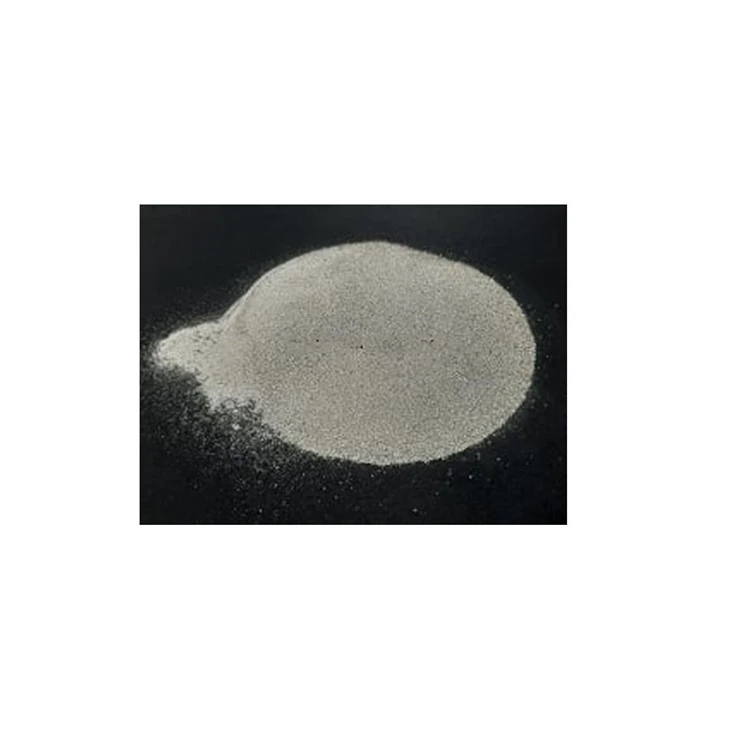
Molten metals can also cause problems. They can wet the surface of the refractory and penetrate into the pores, causing corrosion and erosion. Some metals, like iron and copper, can react with the refractory material and form new compounds, which can weaken the structure of the refractory. Magnesium/Aluminum Alloy, Powder is a material that needs to be used with appropriate refractories to prevent chemical reactions.
5. Mechanical Stress
Refractory materials often have to withstand mechanical stress, such as pressure, abrasion, and vibration. In a steelmaking furnace, for example, the refractory lining is under the weight of the molten steel and the mechanical forces generated during the melting and pouring processes.
Abrasion can occur when solid particles or molten materials flow over the surface of the refractory. This can wear away the material and reduce its thickness. Vibration can also cause cracks to form in the refractory over time. To improve the mechanical strength of refractories, we can use additives or change the manufacturing process to make the material more dense and tough.
6. Installation and Maintenance
How the refractory material is installed and maintained can also affect its performance. If the installation is not done correctly, there might be gaps or unevenness in the refractory lining. These gaps can allow heat and chemicals to escape, reducing the efficiency of the system and increasing the risk of damage to the refractory.
Regular maintenance is also crucial. Inspecting the refractory for cracks, erosion, and other signs of damage can help us catch problems early and take corrective actions. We can repair small cracks or replace damaged parts to extend the service life of the refractory.
In conclusion, there are many factors that can affect the performance of refractory materials. As a refractory supplier, we've got to take all these factors into account when we're selecting raw materials, designing the manufacturing process, and providing solutions to our customers. If you're in the market for refractory materials and want to make sure you're getting the best performance, don't hesitate to reach out to us. We can help you choose the right materials for your specific application and provide you with professional advice on installation and maintenance. Let's have a chat about your refractory needs and see how we can work together to get the best results!
References
- "Refractories Handbook" by Peter J. F. Harris
- "High - Temperature Materials and Technology" by David R. Clarke
- Industry research reports on refractory materials from various market research firms.