

What is Fused Spinel?
Hey there! As a supplier of Fused Spinel, I'm super stoked to dive into what this amazing material is all about. So, let's get right into it.
What Exactly is Fused Spinel?
Fused Spinel is a synthetic mineral that's created through a high - temperature fusion process. It's a type of refractory material, which means it can withstand extremely high temperatures without losing its shape or properties. This makes it a go - to choice for a whole bunch of industries that deal with high - heat environments.
The basic chemical formula of spinel is MgAl₂O₄, but depending on the manufacturing process and the raw materials used, the composition can vary a bit. In the fused form, we start with carefully selected raw materials like alumina and magnesia. These are then melted together in an electric arc furnace at temperatures upwards of 2000°C. This intense heat causes the raw materials to fuse and form the spinel crystals.
How is Fused Spinel Made?
The production of Fused Spinel is a complex but fascinating process. First off, we source high - quality raw materials. Alumina, which is aluminum oxide, is a key ingredient. It gives the spinel its hardness and high melting point. Magnesia, or magnesium oxide, contributes to its chemical stability and resistance to basic slags.
Once we've got our raw materials sorted, they're loaded into an electric arc furnace. The furnace uses an electric arc to generate the insane amount of heat needed to melt the materials. As the temperature rises, the alumina and magnesia start to react with each other. The atoms rearrange themselves to form the spinel structure.
After the fusion is complete, the molten spinel is poured into molds to cool and solidify. Once it's cooled down, it's crushed and screened into different particle sizes. These different sizes are used for various applications.
Properties of Fused Spinel
One of the most impressive things about Fused Spinel is its high refractoriness. It can handle temperatures well over 1800°C without breaking down. This makes it perfect for use in industries like steelmaking, where temperatures in the furnaces can reach astronomical levels.
It also has excellent chemical stability. Fused Spinel is resistant to both acidic and basic slags. This means it can be used in environments where there are all sorts of corrosive substances. Whether it's in a steel ladle or a cement kiln, Fused Spinel can stand up to the chemical onslaught.
Another great property is its thermal shock resistance. In many high - temperature applications, the materials are subjected to rapid changes in temperature. Fused Spinel can handle these sudden temperature changes without cracking or spalling. This is crucial because if a refractory material fails due to thermal shock, it can lead to all sorts of problems in the industrial process.
Applications of Fused Spinel
Fused Spinel has a wide range of applications across different industries. In the steel industry, it's used in the lining of steel ladles, electric arc furnaces, and converters. The high refractoriness and chemical stability of Fused Spinel make it ideal for protecting these vessels from the intense heat and corrosive slags generated during steelmaking.
In the cement industry, Fused Spinel is used in the lining of Rotary Kiln Bauxite. Cement kilns operate at very high temperatures, and the refractory lining needs to be able to withstand the heat and the chemical reactions that take place inside the kiln. Fused Spinel provides excellent protection and helps to extend the lifespan of the kiln lining.
It's also used in the glass industry. Glass melting furnaces require refractory materials that can resist the high temperatures and the corrosive nature of molten glass. Fused Spinel is a great choice because it can maintain its integrity even in contact with molten glass.
Comparison with Other Refractory Materials
When compared to other refractory materials like Calcined Bauxite Manufacturers and Dense Corundum, Fused Spinel has some distinct advantages.
Calcined bauxite is a widely used refractory material, but it doesn't have the same level of chemical stability as Fused Spinel. In environments where there are strong acids or bases, calcined bauxite may start to break down over time. Fused Spinel, on the other hand, can resist these chemical attacks much better.
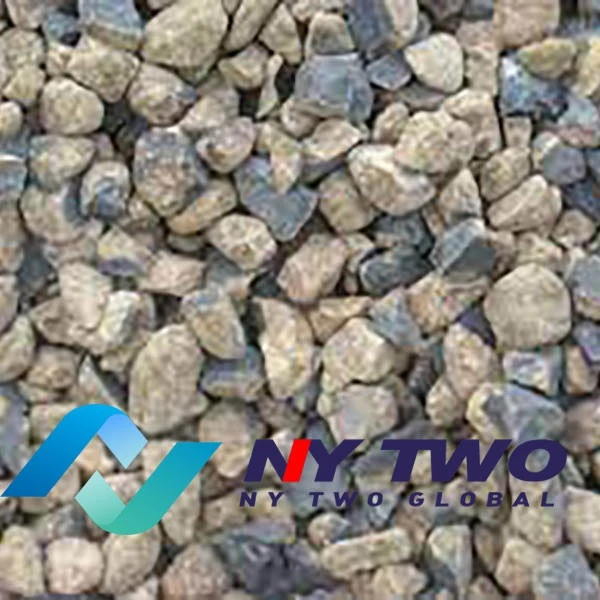
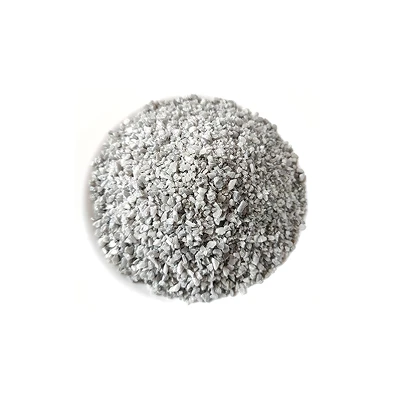
Dense corundum is known for its high hardness and abrasion resistance. However, it may not have the same thermal shock resistance as Fused Spinel. In applications where there are rapid temperature changes, dense corundum may crack or spall, while Fused Spinel can handle the thermal stress more effectively.
Why Choose Our Fused Spinel?
As a supplier, we take pride in offering high - quality Fused Spinel. We have strict quality control measures in place throughout the production process. From the selection of raw materials to the final product, we make sure that every batch of Fused Spinel meets the highest standards.
We also offer a wide range of particle sizes to meet the specific needs of our customers. Whether you need fine - grained Fused Spinel for a particular application or coarser particles, we've got you covered.
Our team of experts is always available to provide technical support and advice. If you're not sure which type of Fused Spinel is best for your application, we can help you make the right choice.
Let's Connect
If you're in the market for Fused Spinel, I'd love to have a chat with you. Whether you're a small - scale business or a large industrial corporation, we can provide you with the Fused Spinel you need. Just reach out, and we can start discussing your requirements. We're looking forward to working with you and helping you find the perfect Fused Spinel solution for your business.
References
- "Refractories Handbook" by Peter J. F. Harris
- "High - Temperature Materials and Technologies" by various authors