

What is the abrasive grain size available when I buy abrasives?
Hey there! I'm the folks selling abrasive stuff at [keep the anonymity here]. If you're in the market for abrasives, one key thing you'll wanna know about is the abrasive grain size. It's gonna make a huge difference in how well those abrasives work for your specific job.
So, what exactly is abrasive grain size? Well, it's a measure of how big or small the individual abrasive particles are. And trust me, this size matters big time. From sanding down rough edges to polishing delicate surfaces, the right grain size is crucial.
Let's start with the super - coarse stuff. You'll often find grain sizes like 16, 20, or 24 grit. These large - sized particles are like the heavy - hitters of the abrasive world. They're perfect for really aggressive material removal. Think about when you're working with thick metal sheets that need a lot of shaping, or you're trying to get rid of years of paint buildup on an old piece of furniture. Coarse - grain abrasives can take off layers quickly, but they'll leave a rough surface behind. So, they're just the first step in a process that usually needs some fine - tuning later.
Now, moving up to the medium - coarse range, you're looking at grain sizes around 30, 36, and 40 grit. These are still pretty hefty, but they're a bit more forgiving than the super - coarse ones. They're great for smoothing out stock that's been worked on with the really big grains. If you're building a wooden deck and you've just cut the boards, using a 36 - grit abrasive can take off those saw - marks and give you a nicer, more even surface to work with.
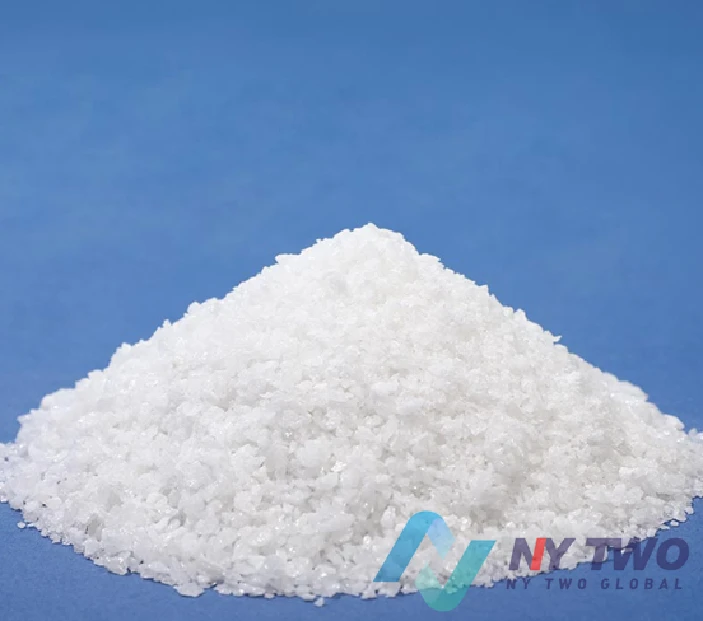
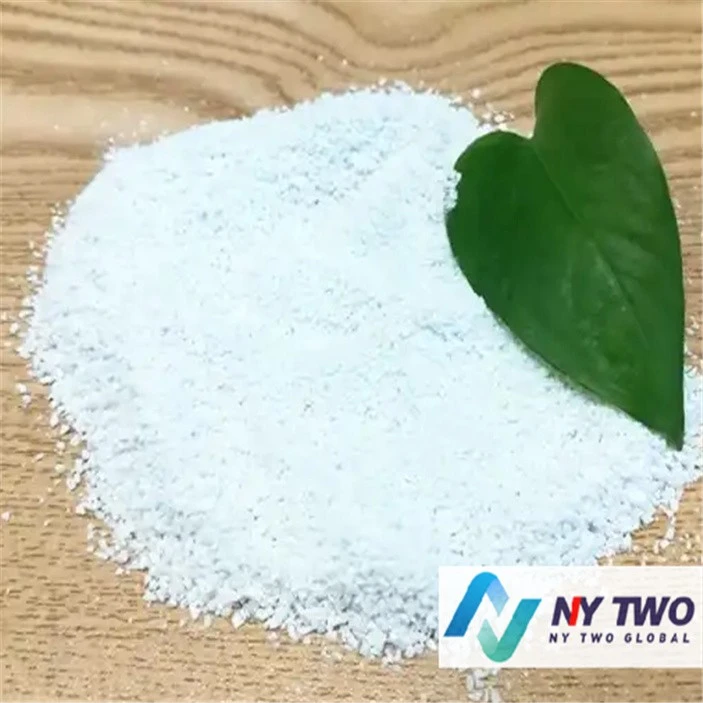
Next come the medium - sized grains, like 50, 60, and 80 grit. These are the workhorses for a lot of middle - stage tasks. They're good for starting to shape and smooth wooden products, and they can also be used for pre - finishing work on metal. When I say pre - finishing, I mean getting the metal ready for a nice coat of paint or a polish. With a 60 - grit abrasive, you can get rid of small scratches and make the surface uniform enough for the next steps.
As we get into the finer grains, we're talking about sizes 100, 120, and 150 grit. These are for when you want to start getting a smoother finish. If you're making a wooden cabinet, using a 120 - grit abrasive after the coarser ones will start to bring out a nicer, more refined look. On metal, these finer grains can be used for buffing out small imperfections and getting a surface ready for a high - quality finish.
Then there are the extra - fine grains, like 180, 220, and 240 grit. These are the ones for that final, smooth finish. They're great for polishing metal to a shine or getting a super - smooth surface on wood for painting or staining. When you run your hand over a surface that's been worked on with a 220 - grit abrasive, it'll feel like glass.
And if you need an ultra - fine finish, you can go even smaller with grain sizes 320, 400, and up. These are used for the most delicate of tasks, like polishing jewelry or getting a mirror - like finish on a high - end metal part.
Now, depending on what you're looking for, we have all sorts of abrasives in different grain sizes. For example, if you're interested in Brown Fused Aluminum, which is a really versatile and hard - wearing abrasive, you can check out the details on our website Brown Fused Aluminum. It comes in a wide range of grain sizes, from super - coarse to ultra - fine, so you can choose exactly what you need for your job.
Another great option is the Abrasive White Corundum Powder. This stuff is known for its purity and hardness, making it suitable for high - precision work. You can find more about it on our page Abrasive White Corundum Powder. It's available in different grain sizes too, so you can match it to your specific abrasive needs.
And if sandblasting is your thing, we've got the Grit White Fused Alumina Oxide For Sandblasting From China. It's a high - quality product that can be used for a variety of sandblasting tasks. To see all the available grain sizes and other details, head over to Grit White Fused Alumina Oxide For Sandblasting From China.
When it comes to choosing the right abrasive grain size, there are a few things to keep in mind. First, think about the material you're working with. Softer materials like wood might need a finer grain size to avoid too much damage, while harder materials like metal can handle coarser grains. Second, consider the finish you want. If you're going for a super - smooth, mirror - like look, you'll need to work your way up through the finer grits.
In conclusion, getting the right abrasive grain size is key to the success of your abrasive - using project. Whether you're a professional tradesperson or a DIY enthusiast, having the right tools (or in this case, abrasives) with the right grain size can make all the difference.
If you're interested in buying abrasives and want to discuss your specific needs, feel free to reach out. We're here to help you find the perfect abrasive solution, with the ideal grain size for your project.
References
- General knowledge of abrasives from industry experience
- Product specifications and details from in - house knowledge of our offerings