

What is the absorption rate of Brown Aluminum Oxide for different substances?
Hey there! I'm a supplier of Brown Aluminum Oxide, and today I wanna talk about the absorption rate of Brown Aluminum Oxide for different substances. This is super important info, especially if you're in industries that use this stuff a lot, like refractory materials, abrasives, and more.
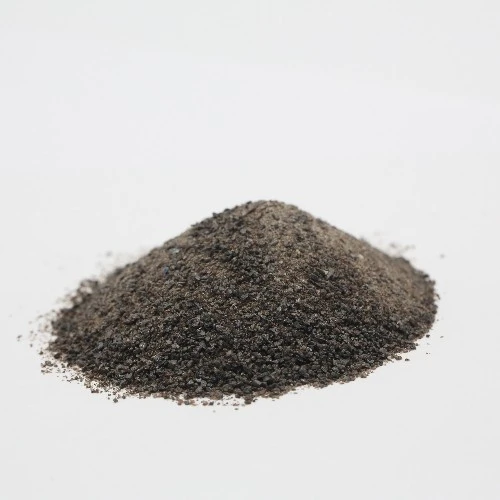
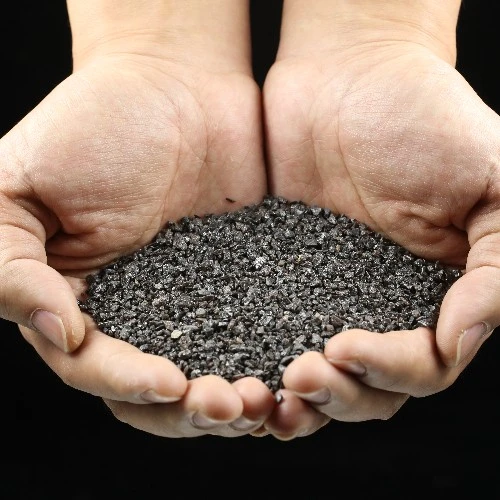
First off, let's understand what Brown Aluminum Oxide is. It's made by smelting bauxite in an electric arc furnace at super - high temperatures. The result is a tough, wear - resistant material with a brownish color, hence the name. It's got some great properties like high hardness, good thermal stability, and excellent chemical resistance.
Absorption of Gases
Let's start with gases. Brown Aluminum Oxide has a certain level of porosity, which allows it to absorb some gases. For example, it can absorb small amounts of water vapor from the air. In a humid environment, the surface of Brown Aluminum Oxide particles can attract water molecules. The absorption rate here depends on factors like the surface area of the particles, the humidity level, and the temperature.
Higher humidity means more water vapor in the air, and thus a higher absorption rate. If the temperature is low, the water vapor is more likely to condense on the surface of the Brown Aluminum Oxide. A larger surface area of the particles also increases the absorption rate because there are more sites for the water molecules to attach to.
When it comes to other gases like carbon dioxide, the absorption is much lower. Brown Aluminum Oxide isn't really a great absorber of CO₂ under normal conditions. But in some industrial processes where the gas is at a high pressure or in a specific chemical environment, there might be a bit more absorption. However, compared to substances specifically designed for gas absorption like activated carbon, the absorption rate of Brown Aluminum Oxide for gases like CO₂ is pretty negligible.
Absorption of Liquids
Now, let's talk about liquids. One of the most common liquids that Brown Aluminum Oxide comes into contact with is water. As I mentioned earlier, it can absorb water, but the absorption capacity isn't huge. The absorption rate for water also depends on the particle size and the purity of the Brown Aluminum Oxide.
Finer particles generally have a higher absorption rate because they have a larger total surface area. If the Brown Aluminum Oxide is highly pure, it might absorb a bit less water compared to a less pure sample. Impurities in the material can sometimes create more porous structures, which can increase the absorption of water.
In the case of oils, Brown Aluminum Oxide can also absorb them to some extent. In industries where it's used as an abrasive, oils are often used as coolants or lubricants. The Brown Aluminum Oxide particles can absorb a small amount of the oil, which can actually be beneficial in some cases as it helps to keep the abrasive surface lubricated.
The absorption rate of oils depends on the type of oil. For example, light - weight oils with low viscosity are more likely to be absorbed compared to heavy - weight, high - viscosity oils. The surface tension of the oil also plays a role. Oils with lower surface tension can spread more easily over the surface of the Brown Aluminum Oxide particles, leading to a higher absorption rate.
Absorption in Chemical Reactions
In chemical reactions, Brown Aluminum Oxide can act as an absorbent in some cases. For instance, in certain acid - base reactions, it can absorb small amounts of acidic or basic substances. The absorption rate here is influenced by the chemical reactivity of the substances involved.
If the acid or base is highly reactive, it might react with the Brown Aluminum Oxide and get absorbed more quickly. The pH of the solution also matters. In a highly acidic or basic environment, the absorption rate might be higher as the chemical reactions are more likely to occur.
In the refractory industry, Brown Aluminum Oxide is often used in combination with other materials like Magnesia Alumina Spinel. These materials can react with each other under high - temperature conditions. During these reactions, there can be an exchange of elements and a certain level of absorption. The absorption rate in these high - temperature chemical reactions is affected by the temperature, the reaction time, and the proportion of the different materials.
Absorption in Refractory Applications
In refractory applications, Brown Aluminum Oxide is a key ingredient. It's used to make things like Refractory Brick Material Brown Fused Alumina Grains Aluminium Oxide. In this context, the absorption of substances can have a big impact on the performance of the refractory products.
For example, if the refractory bricks made from Brown Aluminum Oxide absorb too much water, it can weaken the structure of the bricks when they are heated. The water turns to steam, and if there's too much steam inside the bricks, it can cause cracking and damage. So, controlling the absorption rate of water is crucial in the manufacturing and use of refractory products.
The absorption of other substances like molten metals is also important. In some industrial processes, the refractory lining made from Brown Aluminum Oxide comes into contact with molten metals. The absorption rate of the molten metal by the refractory material can affect the lifespan of the lining. If the absorption rate is too high, the metal can penetrate deep into the refractory, causing erosion and reducing the effectiveness of the lining.
Influence of Particle Size and Shape
The particle size and shape of Brown Aluminum Oxide have a huge impact on its absorption rate. As I mentioned earlier, finer particles have a larger surface area, which generally leads to a higher absorption rate. But the shape of the particles also matters.
If the particles are spherical, they might have a different absorption behavior compared to irregularly shaped particles. Irregularly shaped particles can have more nooks and crannies, which can provide more sites for absorption. So, in some cases, even if the particle size is the same, irregularly shaped Brown Aluminum Oxide particles might have a higher absorption rate.
Importance in Different Industries
The absorption rate of Brown Aluminum Oxide is really important in different industries. In the abrasive industry, knowing the absorption rate of oils helps in formulating the right lubricant - abrasive mixtures. In the refractory industry, understanding the absorption of water and molten metals is crucial for making high - quality refractory products.
In the chemical industry, the absorption rate in chemical reactions can affect the efficiency of the processes. If you're using Brown Aluminum Oxide as a catalyst support or in a chemical separation process, the absorption rate of the reactants or products can make a big difference in the overall performance.
Our Brown Aluminum Oxide Offerings
As a supplier of Brown Aluminum Oxide, we offer a wide range of products with different particle sizes, purities, and shapes. Our Brown Fused Alumina(one) is made with high - quality materials and advanced manufacturing processes.
We can provide you with Brown Aluminum Oxide that meets your specific requirements. Whether you need a product with a low absorption rate for a particular application or one with a higher absorption rate for another purpose, we've got you covered.
If you're in the market for Brown Aluminum Oxide and want to know more about the absorption rates for your specific substances, or if you have any other questions, don't hesitate to reach out. We're here to help you make the right choice for your business.
So, if you're interested in purchasing Brown Aluminum Oxide, feel free to contact us for more details and to start a procurement discussion. We're looking forward to working with you!
References
- Smith, J. (2018). "Properties of Brown Aluminum Oxide". Journal of Industrial Materials.
- Johnson, R. (2019). "Absorption Phenomena in Refractory Materials". International Journal of Refractory Science.
- Williams, M. (2020). "Abrasive Materials and Their Absorption Characteristics". Abrasive Industry Review.