

What is the cost of abrasives?
What is the cost of abrasives? This is a question that often comes up in industries where abrasives play a crucial role, such as metalworking, woodworking, and construction. As an abrasives supplier, I've had numerous conversations with clients about this very topic. In this blog, I'll delve into the various factors that contribute to the cost of abrasives and provide some insights to help you better understand the pricing dynamics.
Raw Material Costs
One of the primary factors influencing the cost of abrasives is the price of raw materials. Abrasives are typically made from a variety of materials, including aluminum oxide, silicon carbide, and diamond. Each of these materials has its own unique properties and applications, and their prices can fluctuate based on market demand, availability, and production costs.
For example, Fused Aluminum Oxide is a popular abrasive material known for its high hardness, toughness, and heat resistance. It is commonly used in grinding, sanding, and polishing applications. The cost of fused aluminum oxide can vary depending on factors such as the purity of the material, the manufacturing process, and the size of the abrasive grains.
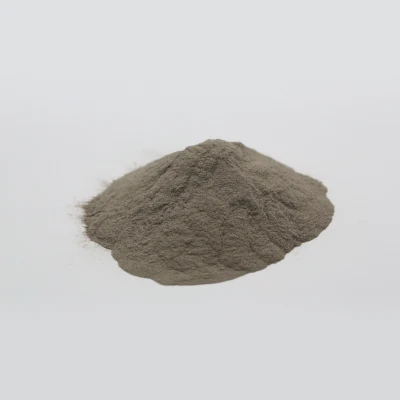
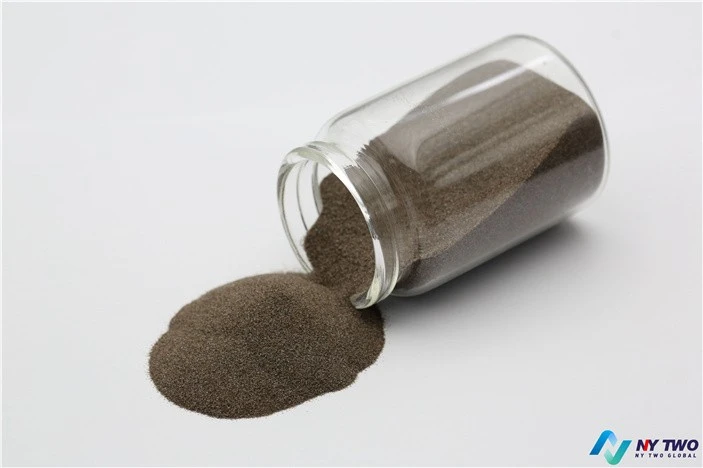
Another example is Brown Fused Alumina Micro Powder For Abrasives. This type of abrasive is made from brown fused alumina and is often used in precision grinding and polishing applications. The cost of brown fused alumina micro powder can be influenced by factors such as the particle size distribution, the chemical composition, and the production volume.
In addition to aluminum oxide, White Fused Alumina Manufacturers produce white fused alumina, which is a high-purity abrasive material with excellent hardness and abrasion resistance. It is commonly used in applications where a high-quality finish is required, such as in the electronics and aerospace industries. The cost of white fused alumina can be affected by factors such as the purity of the raw materials, the production process, and the market demand.
Manufacturing Processes
The manufacturing processes used to produce abrasives also have a significant impact on their cost. Different manufacturing methods can result in variations in the quality, performance, and consistency of the abrasives.
For instance, some abrasives are produced through a fusion process, where the raw materials are melted and then cooled to form abrasive grains. This process can be energy-intensive and requires specialized equipment, which can increase the production cost. On the other hand, other abrasives may be produced through a sintering process, where the raw materials are compacted and then heated to a high temperature to form a solid abrasive body. This process can be more cost-effective but may result in abrasives with slightly different properties.
In addition to the manufacturing process, the quality control measures implemented during production can also affect the cost of abrasives. High-quality abrasives typically undergo rigorous testing and inspection to ensure that they meet the required standards and specifications. This can add to the production cost but can also result in abrasives that offer better performance and durability.
Grain Size and Shape
The grain size and shape of abrasives are important factors that can influence their cost. Abrasive grains come in a variety of sizes, ranging from very fine to very coarse. The size of the grains determines the cutting ability and the surface finish of the abrasive.
Generally, finer abrasive grains are more expensive than coarser grains because they require more precise manufacturing processes and higher-quality raw materials. Finer grains also tend to have a longer lifespan and can provide a smoother surface finish, which can be beneficial in applications where a high-quality finish is required.
In addition to the grain size, the shape of the abrasive grains can also affect their cost. Abrasive grains can have different shapes, such as angular, spherical, or irregular. Angular grains are typically more aggressive and have a higher cutting rate, while spherical grains are more suitable for applications where a smooth surface finish is required. The shape of the grains can be influenced by the manufacturing process and the raw materials used, and this can impact the cost of the abrasives.
Bonding Agents
Abrasives are often bonded together using a bonding agent to form a solid abrasive body. The type of bonding agent used can have a significant impact on the cost of the abrasives.
There are several types of bonding agents available, including resin, vitrified, and metal. Resin-bonded abrasives are commonly used in applications where a high degree of flexibility and shock resistance is required. They are relatively inexpensive and can be easily shaped and formed. Vitrified-bonded abrasives, on the other hand, are known for their high strength, durability, and heat resistance. They are more expensive than resin-bonded abrasives but can provide better performance in high-speed and heavy-duty applications. Metal-bonded abrasives are typically used in applications where a high degree of precision and wear resistance is required. They are the most expensive type of bonding agent but can offer excellent performance in demanding applications.
Packaging and Shipping
The packaging and shipping costs associated with abrasives can also contribute to their overall cost. Abrasives are often packaged in various forms, such as bags, boxes, or containers, depending on the quantity and the application. The packaging materials used can vary in cost, and the size and weight of the packages can also affect the shipping cost.
In addition to the packaging materials, the shipping method used can also impact the cost. Abrasives can be shipped by air, sea, or land, and the choice of shipping method depends on factors such as the distance, the urgency, and the quantity of the shipment. Air shipping is typically the most expensive but can provide the fastest delivery time, while sea shipping is the most cost-effective but can take longer.
Market Demand and Competition
The market demand for abrasives and the level of competition in the industry can also influence their cost. When the demand for abrasives is high, the prices tend to increase, as suppliers may have more bargaining power. On the other hand, when the demand is low, the prices may decrease, as suppliers may be more willing to offer discounts to attract customers.
In addition to the market demand, the level of competition in the industry can also affect the cost of abrasives. In a highly competitive market, suppliers may offer lower prices to gain market share and attract customers. This can result in lower prices for consumers but may also lead to a decrease in the quality of the abrasives.
Conclusion
In conclusion, the cost of abrasives is influenced by a variety of factors, including the raw material costs, the manufacturing processes, the grain size and shape, the bonding agents, the packaging and shipping costs, and the market demand and competition. As an abrasives supplier, I understand the importance of providing high-quality abrasives at competitive prices. By carefully considering these factors and working closely with our customers, we can help them find the right abrasives for their specific applications at a price that meets their budget.
If you're interested in learning more about our abrasives products or would like to discuss your specific requirements, please don't hesitate to contact us. We'd be happy to assist you with your procurement needs and provide you with a customized solution.
References
- "Abrasives: Principles and Applications" by George Totten and Michael MacCauley
- "Handbook of Abrasive Technology" by Stuart Levy and Ronald Schey
- "Abrasive Machining: Technology and Applications" by John R. Barber and David A. Stephenson