

What is the density of the abrasives I can buy?
What is the density of the abrasives I can buy?
As a supplier of abrasives, I often get asked about the density of the abrasives that customers can purchase. Density is a crucial property of abrasives as it can significantly impact their performance in various applications. In this blog post, I'll delve into the concept of abrasive density, explore how it varies across different types of abrasives, and explain why it matters.
Understanding Abrasive Density
Density is defined as the mass per unit volume of a substance. In the context of abrasives, it refers to how much mass is packed into a given volume of the abrasive material. It is typically measured in grams per cubic centimeter (g/cm³) or kilograms per cubic meter (kg/m³).
The density of an abrasive is determined by several factors, including its chemical composition, crystal structure, and the manufacturing process. Different types of abrasives have different densities due to their unique physical and chemical properties.
Common Abrasives and Their Densities
Fused Alumina
Fused alumina is one of the most widely used abrasives in the industry. It comes in various forms, such as brown fused alumina and white fused alumina.
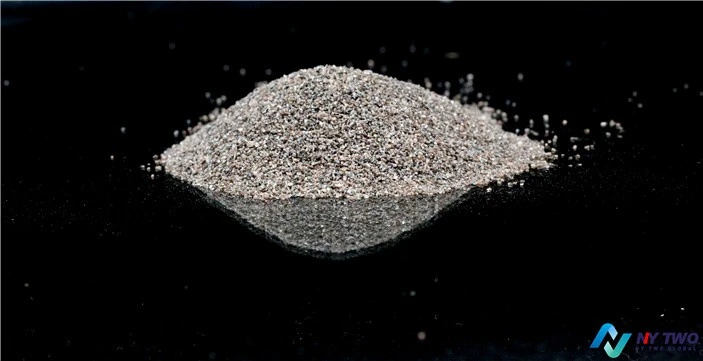
Brown fused alumina is made by fusing bauxite in an electric arc furnace. It has a relatively high density, typically ranging from 3.8 to 4.0 g/cm³. This high density gives it excellent hardness and durability, making it suitable for heavy - duty grinding and cutting applications. You can learn more about the Fused Alumina Brand.
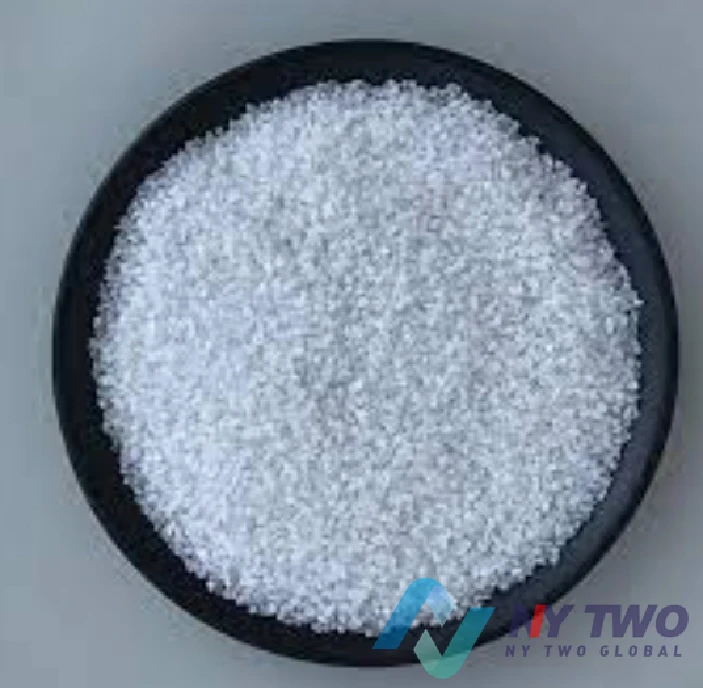
White fused alumina, on the other hand, is produced by fusing high - purity alumina powder. It has a density of around 3.9 g/cm³. White fused alumina is known for its sharpness and high cutting efficiency, which is often used in precision grinding and finishing operations.
Silicon Carbide
Silicon carbide is another popular abrasive. It exists in two main forms: green silicon carbide and black silicon carbide.
Black silicon carbide has a density of approximately 3.2 g/cm³. It is made from quartz sand, petroleum coke, and wood chips in an electric resistance furnace. Black silicon carbide is commonly used for grinding non - ferrous metals, such as aluminum, brass, and copper, as well as for abrasive blasting.
Green silicon carbide has a slightly higher density, around 3.2 - 3.25 g/cm³. It is produced from high - purity raw materials and has better thermal conductivity and hardness compared to black silicon carbide. Green silicon carbide is often used for grinding hard and brittle materials like ceramics, glass, and carbide tools.
Diamond
Diamond is the hardest known abrasive material. Synthetic diamond abrasives are widely used in industrial applications. The density of diamond is about 3.52 g/cm³. Due to its extreme hardness and high density, diamond abrasives are used for precision grinding, cutting, and polishing of very hard materials, such as tungsten carbide, sapphire, and other super - hard alloys.
Why Abrasive Density Matters
Performance in Grinding
The density of an abrasive affects its grinding performance. Abrasives with higher densities generally have better durability and can withstand higher grinding pressures. For example, brown fused alumina with its relatively high density can maintain its shape and cutting ability for a longer time during heavy - duty grinding operations. This means less frequent replacement of the abrasive, leading to cost savings in the long run.
Bonding and Coating
In abrasive products such as grinding wheels and coated abrasives, the density of the abrasive particles influences the bonding process. Abrasives with different densities may require different bonding agents and bonding strengths. A proper match between the abrasive density and the bonding system is essential to ensure the integrity and performance of the abrasive product.
Abrasive Blasting
In abrasive blasting applications, the density of the abrasive affects the impact force and the cleaning efficiency. Abrasives with higher densities can deliver more kinetic energy when propelled at high speeds, resulting in better removal of surface contaminants and coatings.
Factors Affecting the Density of Abrasives
Particle Size
The particle size of an abrasive can have an impact on its apparent density. Smaller particles may pack more closely together, leading to a higher apparent density. For example, Brown Fused Aluminum Oxide (grain Size Sand) with different grain sizes may have slightly different densities due to the packing arrangement of the particles.
Porosity
Some abrasives may have a certain degree of porosity. Porous abrasives have a lower density compared to non - porous ones of the same chemical composition. For instance, certain types of ceramic abrasives may be engineered to have a controlled level of porosity to improve their self - sharpening properties, which in turn affects their density.
Impurities
The presence of impurities in an abrasive can also affect its density. Impurities may either increase or decrease the density depending on their own density and the amount present. For example, if an abrasive contains a significant amount of low - density impurities, its overall density will be lower.
Measuring Abrasive Density
There are several methods to measure the density of abrasives. One common method is the pycnometer method. In this method, a known mass of the abrasive is placed in a pycnometer, which is a small, precisely calibrated container. The volume of the abrasive is then determined by measuring the volume of a liquid (usually a non - reactive liquid like water or ethanol) displaced by the abrasive. The density is then calculated by dividing the mass of the abrasive by its volume.
Another method is the gas pycnometry, which uses a gas (such as helium) to measure the volume of the abrasive particles. Gas pycnometry is a more accurate method, especially for measuring the true density of porous abrasives.
Applications Based on Abrasive Density
Heavy - Duty Grinding
For heavy - duty grinding applications, such as grinding large metal workpieces or removing large amounts of material, abrasives with high densities like brown fused alumina are preferred. Their high density allows them to withstand the high forces and pressures involved in these operations.
Precision Grinding
In precision grinding, where accuracy and surface finish are crucial, abrasives with consistent density and high purity are used. White fused alumina and diamond abrasives are commonly used in precision grinding applications due to their high density and excellent cutting properties.
Surface Finishing
For surface finishing operations, abrasives with lower densities may be used to achieve a smoother finish. Some fine - grained silicon carbide abrasives with relatively lower densities can be used for polishing and buffing applications.
Our Offerings
As a supplier of abrasives, we offer a wide range of high - quality abrasives with different densities to meet the diverse needs of our customers. Whether you are looking for Brown Fused Aluminum Oxide (grain Size Sand) for heavy - duty grinding or China Brown Fused Alumina Fine Powder for precision applications, we have the right product for you.
We understand that the density of the abrasive is just one of the many factors that affect its performance. That's why we also provide detailed technical support to help you select the most suitable abrasive for your specific application.
If you are interested in purchasing abrasives or have any questions about abrasive density and its impact on your operations, please feel free to contact us. We are ready to have in - depth discussions with you and provide you with the best solutions.
References
- "Abrasive Technology Handbook" by various industry experts
- Technical documents from leading abrasive manufacturers
- Research papers on abrasive materials and their properties published in international journals of materials science and engineering