

What is the erosion resistance of refractory materials?
Erosion resistance is a crucial property for refractory materials, especially in industries where these materials are exposed to harsh environments. As a refractory supplier, I have witnessed firsthand the importance of understanding and optimizing the erosion resistance of our products. In this blog, I will delve into what erosion resistance of refractory materials means, the factors influencing it, and how we as a supplier ensure high - quality, erosion - resistant refractory solutions.
What is Erosion Resistance of Refractory Materials?
Erosion resistance refers to the ability of a refractory material to withstand the mechanical wear caused by the impact, abrasion, or scouring of solid particles, liquids, or gases. In industrial applications such as steelmaking, cement production, and power generation, refractory materials line furnaces, kilns, and other high - temperature equipment. These materials are constantly subjected to the flow of hot gases, molten metals, and abrasive particles. If a refractory material lacks sufficient erosion resistance, it will wear down quickly, leading to premature failure of the lining, increased maintenance costs, and potential safety hazards.
Factors Affecting Erosion Resistance
Material Composition
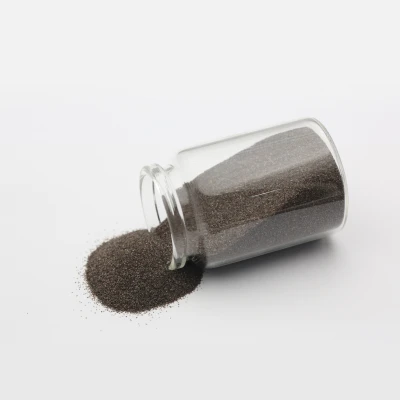
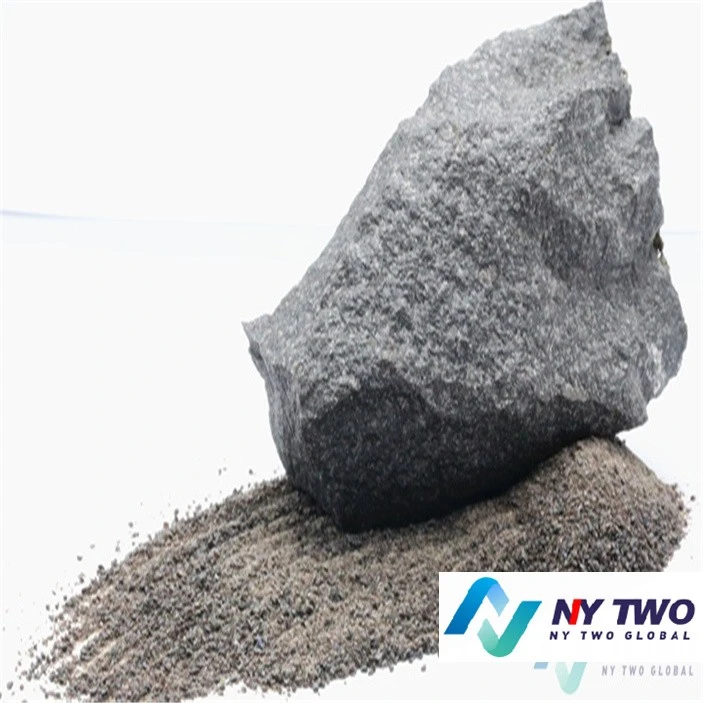
The chemical and mineralogical composition of a refractory material plays a fundamental role in its erosion resistance. For example, Brown Fused Aluminum Oxide is widely used in refractory products due to its high hardness and good chemical stability. Its high alumina content gives it excellent resistance to abrasion and erosion by molten metals and slags. Another important component is ATH (Flame), which can enhance the refractory's resistance to thermal shock and erosion in certain applications. The combination of different raw materials in the right proportions can create a refractory material with optimal erosion - resistant properties.
Microstructure
The microstructure of a refractory material, including grain size, pore structure, and the distribution of phases, also affects its erosion resistance. Fine - grained refractory materials generally have better erosion resistance than coarse - grained ones because they have a larger surface area for bonding and can better withstand the impact of abrasive particles. A dense and uniform pore structure can prevent the penetration of molten substances and reduce the risk of erosion. On the other hand, a porous or heterogeneous microstructure may provide pathways for the ingress of erosive agents, leading to faster material degradation.
Operating Conditions
The operating conditions in which the refractory material is used have a significant impact on its erosion resistance. High temperatures can change the physical and chemical properties of the refractory, making it more susceptible to erosion. For example, at elevated temperatures, the viscosity of molten slags decreases, increasing their erosive power. The velocity and direction of the flow of erosive agents also matter. A high - velocity flow of abrasive particles can cause more severe erosion than a slow - moving one. Additionally, the chemical composition of the erosive agents, such as the presence of acidic or basic substances, can react with the refractory material and accelerate its erosion.
Measuring Erosion Resistance
There are several methods to measure the erosion resistance of refractory materials. One common method is the jet - erosion test, where a high - velocity jet of abrasive particles is directed at the surface of the refractory sample for a specified period. The weight loss or volume loss of the sample is then measured to evaluate its erosion resistance. Another method is the rotary - erosion test, in which the refractory sample is rotated in a bath of molten slag or abrasive medium. The change in the sample's dimensions or mass after a certain number of rotations is used to assess its erosion performance.
How Our Company Ensures High Erosion Resistance
As a refractory supplier, we take several steps to ensure that our products have high erosion resistance.
Raw Material Selection
We carefully select high - quality raw materials, such as Brown Fused Aluminum Oxide and ATH (Flame), with strict quality control measures. Our suppliers are required to provide detailed Brown Fused Aluminum Oxide SDS to ensure that the raw materials meet our specifications. We also conduct in - house testing on the raw materials to verify their chemical composition, particle size distribution, and other properties.
Manufacturing Process Optimization
Our manufacturing process is designed to create a refractory material with a dense and uniform microstructure. We use advanced mixing and forming techniques to ensure that the raw materials are evenly distributed and that the pores in the material are minimized. During the firing process, we carefully control the temperature and atmosphere to achieve the desired phase transformation and bonding in the refractory. This results in a product with high strength and excellent erosion resistance.
Customized Solutions
We understand that different industries and applications have different requirements for erosion resistance. Therefore, we offer customized refractory solutions. Our technical team works closely with customers to understand their specific operating conditions and erosion challenges. Based on this information, we develop tailor - made refractory products that can provide the best erosion - resistant performance in their particular applications.
Importance of Erosion - Resistant Refractory Materials in Different Industries
Steel Industry
In the steel industry, refractory materials are used in various parts of the steel - making process, such as the lining of electric arc furnaces, ladles, and tundishes. These materials are exposed to high - temperature molten steel and slags, as well as the flow of hot gases. Erosion - resistant refractories can extend the service life of these linings, reduce downtime for maintenance, and improve the overall efficiency of the steel - making process.
Cement Industry
In cement kilns, refractory materials line the interior of the kiln to protect the steel shell from the high - temperature and corrosive environment. The flow of raw materials and hot gases in the kiln can cause significant erosion to the refractory lining. Using erosion - resistant refractories can prevent premature failure of the lining, ensuring the continuous operation of the cement kiln and reducing production costs.
Power Generation Industry
In power plants, especially those using coal - fired boilers, refractory materials are used in the boiler furnace and other high - temperature components. The fly ash and hot gases in the boiler can erode the refractory lining. High - quality, erosion - resistant refractories can improve the reliability and efficiency of the power generation process by reducing the frequency of lining repairs and replacements.
Conclusion
Erosion resistance is a vital property for refractory materials, and understanding its influencing factors is crucial for both suppliers and users. As a refractory supplier, we are committed to providing high - quality, erosion - resistant refractory products through careful raw material selection, optimized manufacturing processes, and customized solutions. Our products play an important role in various industries, helping to improve the efficiency, reliability, and safety of industrial operations.
If you are in need of high - quality, erosion - resistant refractory materials for your industrial applications, we would be delighted to discuss your requirements. Contact us for a detailed consultation and let us work together to find the best refractory solution for your needs.
References
- "Refractories Handbook" by Peter E. D. Morgan
- "High - Temperature Materials and Technologies" by various authors
- Industry reports on refractory materials and their applications in steel, cement, and power generation industries.