

What is the moisture absorption of Fused Spinel?
Hey there! As a supplier of Fused Spinel, I've gotten a ton of questions about its moisture absorption. So, I thought I'd sit down and write this blog to share everything I know about it.
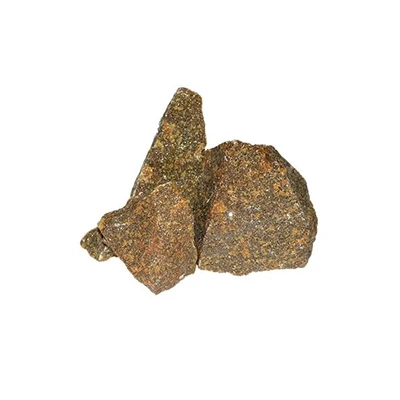
First off, let's talk about what Fused Spinel is. Fused Spinel is a high - performance refractory material. It's made by melting raw materials in an electric arc furnace at super high temperatures. This process results in a product with excellent thermal stability, chemical resistance, and mechanical strength. It's widely used in industries like steelmaking, cement production, and glass manufacturing.
Now, onto the main topic: moisture absorption. Moisture absorption refers to the ability of a material to take in and hold water from its surrounding environment. For Fused Spinel, understanding its moisture absorption is crucial because it can impact its performance and quality in various applications.
Factors Affecting Moisture Absorption of Fused Spinel
There are several factors that can influence how much moisture Fused Spinel absorbs.
Surface Area
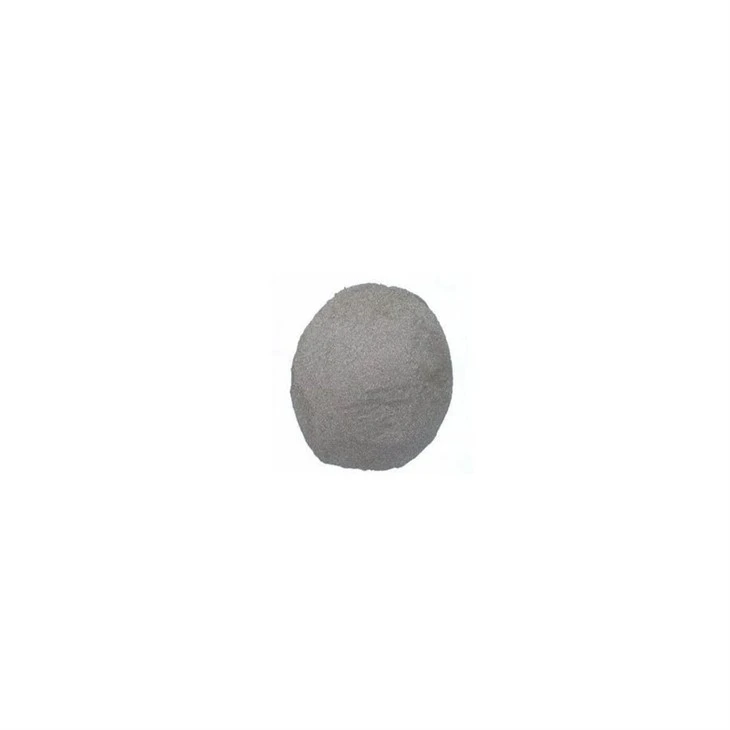
The surface area of Fused Spinel particles plays a big role. Smaller particles have a larger surface area compared to larger ones. This means that they have more area exposed to the surrounding air, and thus are more likely to absorb moisture. For example, if you have a fine - grained Fused Spinel powder, it'll absorb more moisture than a coarser - grained product.
Pore Structure
The pore structure of Fused Spinel is another important factor. Materials with a more porous structure have more space for water molecules to enter and be stored. Some Fused Spinel products may have a certain degree of porosity, which can increase their moisture - holding capacity. However, modern manufacturing processes can control the pore structure to some extent to minimize moisture absorption.
Environmental Conditions
The environment where Fused Spinel is stored or used also matters a great deal. High humidity levels in the air mean there are more water molecules available for absorption. For instance, if you store Fused Spinel in a damp warehouse, it'll absorb more moisture than if it's stored in a dry, climate - controlled environment. Temperature can also have an impact. Generally, higher temperatures can increase the rate of moisture evaporation, but they can also cause changes in the material's surface properties that might affect moisture absorption in complex ways.
Effects of Moisture Absorption on Fused Spinel
Moisture absorption can have both short - term and long - term effects on Fused Spinel.
Short - Term Effects
In the short term, moisture absorption can change the physical properties of Fused Spinel. It can make the material clump together, especially if it's in a powder form. This can make it difficult to handle and mix with other materials during the manufacturing process. For example, in the steelmaking industry, if the Fused Spinel used in refractory linings has absorbed moisture and clumped, it may not distribute evenly in the lining, leading to uneven wear and reduced performance.
Long - Term Effects
Over the long term, continuous moisture absorption can lead to chemical reactions within the Fused Spinel. Water can react with some of the components of Fused Spinel, causing corrosion or degradation of the material. This can significantly reduce its strength and durability, which is a big problem in high - temperature and high - stress applications. For example, in a cement kiln, where Fused Spinel is used in the refractory lining, long - term moisture - induced degradation can lead to premature failure of the lining, resulting in costly repairs and downtime.
Measuring Moisture Absorption of Fused Spinel
There are several methods to measure the moisture absorption of Fused Spinel.
Gravimetric Method
The gravimetric method is one of the most common ways. It involves weighing a sample of Fused Spinel before and after exposing it to a controlled environment with a known humidity level for a certain period of time. The difference in weight is then used to calculate the amount of moisture absorbed. This method is relatively simple and straightforward, but it can be time - consuming, especially if you want to get accurate results.
Moisture Analyzers
Modern moisture analyzers can also be used. These devices use techniques like infrared drying or microwave heating to quickly remove the moisture from the sample and measure the moisture content. They're much faster than the gravimetric method, but they can be more expensive and may require some technical expertise to operate.
How to Minimize Moisture Absorption
As a supplier, I know how important it is to minimize moisture absorption to ensure the quality of our Fused Spinel products.
Proper Packaging
Using high - quality, moisture - resistant packaging is crucial. We usually use sealed plastic bags or drums to protect the Fused Spinel from moisture in the air. Sometimes, we also add desiccants inside the packaging to absorb any moisture that might enter.
Storage Conditions
Storing Fused Spinel in a dry environment is a must. We recommend storing it in a warehouse with low humidity levels and a stable temperature. If possible, use dehumidifiers to keep the humidity in check.
Handling Precautions
During handling, it's important to minimize the exposure of Fused Spinel to the air. For example, when transferring the material from one container to another, do it as quickly as possible to reduce the time it's exposed to the environment.
Related Products
If you're interested in other refractory materials, we also offer some great options. Check out our Pink Fused Alumina, which is known for its high hardness and excellent abrasion resistance. Another product is Mangnalium 250mesh For Fireworks, which has specific properties suitable for the fireworks industry. And don't forget about Fused Magnesia HS Code 25199010, which is widely used in the refractory field.
Conclusion
Understanding the moisture absorption of Fused Spinel is essential for both suppliers and users. By knowing the factors that affect it, the effects it can have, and how to measure and minimize it, we can ensure the best performance of Fused Spinel in various applications.
If you're in the market for high - quality Fused Spinel or have any questions about its moisture absorption or other properties, feel free to reach out for a purchase negotiation. We're always here to help you find the best solutions for your needs.
References
- Smith, J. (2018). Refractory Materials: Properties and Applications. New York: Industrial Press.
- Brown, A. (2019). Moisture Absorption in Ceramic Materials. Journal of Materials Science, 45(2), 234 - 241.