

What is the noise level when using the abrasives I buy?
When dealing with abrasives, one crucial aspect that often goes unnoticed is the noise level they generate during use. As a leading supplier of abrasives, I've encountered numerous inquiries from clients about the noise produced by the various abrasives we offer. In this blog post, I'll delve into the factors influencing noise levels, discuss the noise characteristics of different types of abrasives, and provide insights on managing noise in abrasive applications.
Factors Affecting Noise Levels in Abrasive Applications
The noise generated during abrasive operations can be attributed to multiple factors. First and foremost, the type of abrasive material plays a significant role. Abrasives with different hardness, density, and particle shapes can produce varying levels of noise. For instance, harder abrasives may generate more noise as they interact more forcefully with the workpiece.
Secondly, the application method has a substantial impact on noise levels. Abrasive blasting, grinding, and polishing each have distinct noise profiles. Blasting operations, in particular, tend to be quite noisy due to the high - velocity impact of abrasive particles on the surface. The equipment used in these applications also matters. Older or poorly maintained machinery can produce more noise compared to modern, well - maintained equipment.
The environment in which the abrasive is used also affects the perceived noise level. Enclosed spaces can amplify noise, while open areas may allow the sound to disperse more easily. Additionally, the presence of sound - absorbing materials in the workspace can significantly reduce noise levels.
Noise Characteristics of Different Abrasives
Let's take a closer look at some of the abrasives we supply and their associated noise levels.
Silicon Carbide Blasting Media (Black)
Silicon Carbide Blasting Media (Black) is a popular choice for many abrasive blasting applications, especially for tasks that require a high level of precision. This abrasive is known for its hardness and sharp cutting edges. When used in blasting operations, it can generate a relatively high - pitched and intense noise. The reason behind this is the rapid impact of the silicon carbide particles on the surface being treated. The hard particles strike the workpiece with a considerable force, creating shockwaves that result in the production of noise.
Typically, in a standard blasting booth setting, the noise level when using black silicon carbide blasting media can range between 90 and 110 decibels. This is well above the recommended exposure limit of 85 decibels over an 8 - hour workday according to occupational safety standards. Therefore, proper hearing protection is essential when using this abrasive.
Rock - Forming Mineral
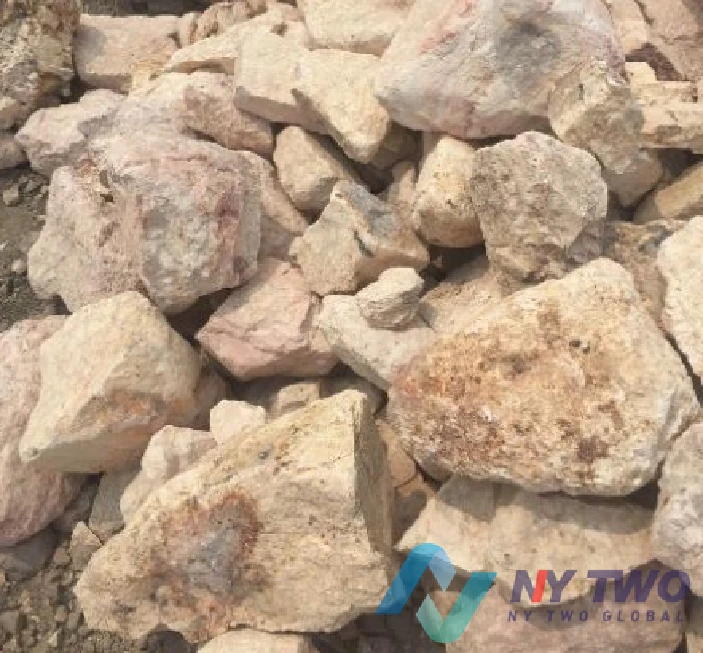
Rock - Forming Mineral abrasives are a more natural option. They are often used in less aggressive abrasive applications such as gentle polishing or light surface cleaning. These abrasives generally produce less noise compared to harder synthetic abrasives.
The noise generated by rock - forming mineral abrasives is usually a lower - pitched rumble. This is because the particles are less likely to cause high - intensity impacts. In a typical polishing operation, the noise level may range from 70 to 85 decibels, which is relatively more tolerable. However, continuous exposure to noise at the upper end of this range still requires some form of hearing protection over an extended period.
Pink Corundum
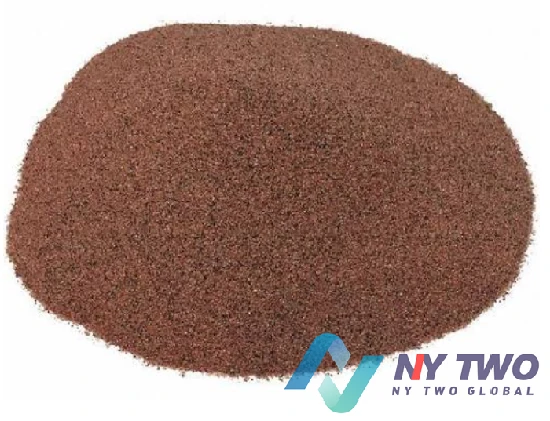
Pink Corundum is a high - quality abrasive known for its durability and excellent cutting performance. When used in grinding or sanding applications, it can generate a significant amount of noise. The hardness of pink corundum allows it to cut through materials effectively, but this also means that the interaction between the abrasive and the workpiece generates intense vibrations and sound waves.
In a grinding workshop, the noise level when using pink corundum can reach up to 100 - 120 decibels. This is extremely high and can cause immediate and long - term damage to the ears. Workers should always wear appropriate hearing protection devices, such as earplugs or earmuffs, and the workspace should be equipped with noise - reducing features.
Managing Noise in Abrasive Applications
Given the potential health risks associated with high noise levels, it is crucial to manage noise in abrasive applications. Here are some practical strategies:
Engineering Controls
- Equipment Upgrades: Invest in modern, low - noise equipment. Newer models often come with improved design features that reduce noise generation. For example, some blasting machines are designed with noise - dampening chambers to minimize the sound emitted during operation.
- Isolation and Enclosure: Use sound - proof enclosures around the abrasive equipment. These enclosures can significantly reduce the amount of noise that escapes into the surrounding environment. Additionally, isolating the equipment from the floor and other surfaces can prevent vibrations from transmitting and amplifying the noise.
Administrative Controls
- Work Scheduling: Limit the amount of time workers are exposed to high - noise environments. Implement a rotation system so that no single worker is exposed to excessive noise for an extended period.
- Training and Awareness: Provide comprehensive training to workers on the risks of noise exposure and the importance of using hearing protection. Make sure they are aware of the noise levels associated with different abrasives and applications.
Personal Protective Equipment (PPE)
- Hearing Protection: Ensure that all workers have access to and use appropriate hearing protection devices, such as earplugs or earmuffs. Regularly check the fit and condition of these devices to ensure their effectiveness.
Conclusion
Understanding the noise levels associated with different abrasives is essential for both the safety and well - being of workers and the overall efficiency of abrasive applications. As a supplier of abrasives, we are committed to providing our customers with not only high - quality products but also the necessary information to use them safely.
If you have any questions about the abrasives we offer, including their noise characteristics, or if you are interested in purchasing our products, please feel free to reach out. We are always ready to assist you in finding the right abrasive solution for your specific needs.
References
- Occupational Safety and Health Administration (OSHA). "Noise Exposure." OSHA.gov.
- American National Standards Institute (ANSI). "Acoustical Standards for Workplace Noise." ANSI.org.