

What is the refractoriness of refractory materials?
Refractory materials are crucial in various high - temperature industrial applications, from steelmaking to glass manufacturing. As a refractory supplier, I've had the privilege of working closely with these materials and understanding their unique properties. One of the most fundamental characteristics of refractory materials is their refractoriness. In this blog, I'll delve into what refractoriness is, how it's measured, and its significance in different industries.
Defining Refractoriness
Refractoriness can be defined as the ability of a refractory material to withstand high temperatures without undergoing significant deformation, softening, or melting under the conditions of use. It's not just about the melting point of the material; rather, it encompasses the material's overall behavior at elevated temperatures.
For example, a material might have a high melting point, but it could start to deform or lose its structural integrity at a temperature well below its melting point due to factors such as chemical reactions, phase changes, or the presence of impurities. Refractoriness takes all these aspects into account, providing a more comprehensive measure of a material's suitability for high - temperature applications.
Factors Affecting Refractoriness
Several factors can influence the refractoriness of a refractory material:
Chemical Composition
The chemical composition of a refractory material is perhaps the most significant factor affecting its refractoriness. Materials with high - melting - point compounds generally have better refractoriness. For instance, alumina (Al₂O₃) is a common component in many refractory materials due to its high melting point of around 2054°C. Brown Fused Alumina(one) is a type of alumina - based refractory material that offers excellent refractoriness and is widely used in industries such as steelmaking and foundries.
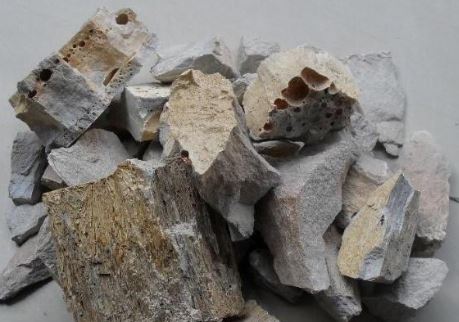
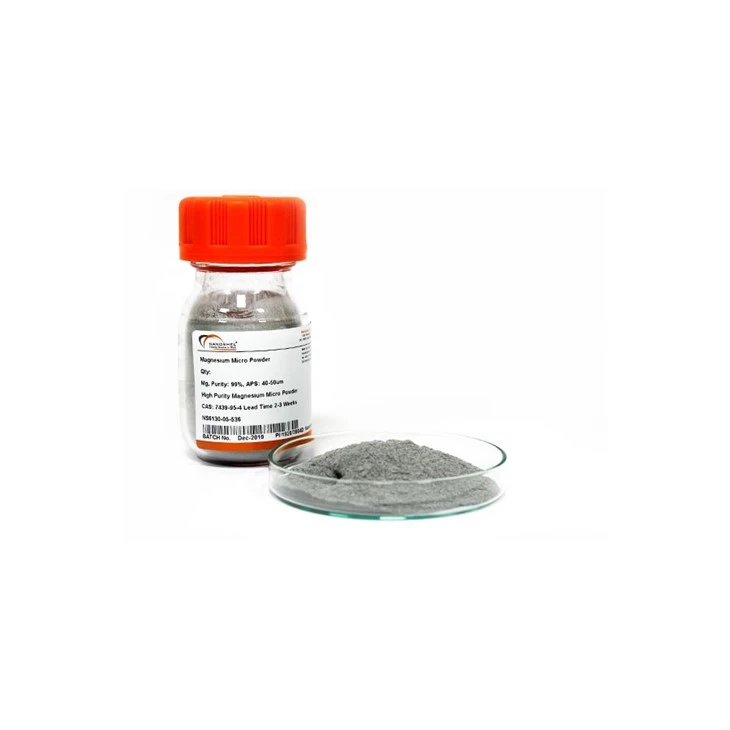
Silica (SiO₂) is another important component. However, its behavior at high temperatures is more complex. While pure silica has a relatively high melting point (around 1713°C), it can undergo phase changes at elevated temperatures, which may affect its refractoriness. Magnesia (MgO) is also well - known for its high refractoriness, with a melting point of approximately 2852°C. Materials containing Magnesium/Aluminum Alloy, Powder can combine the benefits of both magnesium and aluminum, enhancing the refractoriness of the overall material.
Impurities
Impurities in a refractory material can significantly reduce its refractoriness. Even small amounts of low - melting - point compounds can form eutectics with the main components of the refractory, lowering the temperature at which the material starts to soften or melt. For example, the presence of alkali oxides (such as Na₂O and K₂O) can react with silica and alumina to form low - melting - point glasses, which can cause the refractory to lose its strength and integrity at relatively low temperatures.
Microstructure
The microstructure of a refractory material, including the grain size, porosity, and the distribution of different phases, also plays a role in its refractoriness. A dense microstructure with small, well - bonded grains generally offers better refractoriness. Porosity can be both beneficial and detrimental. On one hand, a certain amount of porosity can improve the thermal shock resistance of the refractory. On the other hand, excessive porosity can allow the penetration of molten metals or gases, leading to chemical reactions and a reduction in refractoriness.
Measuring Refractoriness
There are several methods for measuring the refractoriness of a refractory material:
Pyrometric Cone Equivalent (PCE)
The Pyrometric Cone Equivalent (PCE) is one of the most widely used methods for measuring refractoriness. It involves comparing the behavior of a test specimen with a series of standard pyrometric cones. These cones are made of materials with known melting points and are designed to bend at specific temperatures. The test specimen is heated along with the standard cones, and the PCE of the specimen is determined by the cone that bends at the same rate as the specimen.
Softening Temperature
The softening temperature of a refractory material can also be measured using a dilatometer or a high - temperature furnace. The material is heated at a controlled rate, and the temperature at which it starts to deform or lose its shape is recorded as the softening temperature. This method provides a more direct measure of the material's ability to withstand high temperatures without significant deformation.
Significance of Refractoriness in Different Industries
Steel Industry
In the steel industry, refractory materials are used in various parts of the steelmaking process, such as the lining of blast furnaces, basic oxygen furnaces, and electric arc furnaces. These furnaces operate at extremely high temperatures, often exceeding 1600°C. The refractoriness of the lining materials is crucial to ensure the safe and efficient operation of the furnaces. Materials with high refractoriness can withstand the intense heat and chemical corrosion from molten steel and slag, reducing the need for frequent repairs and replacements.
Glass Industry
The glass industry also relies heavily on refractory materials. Glass melting furnaces operate at temperatures ranging from 1400°C to 1600°C. Refractory materials with good refractoriness are used to line the furnaces, preventing the molten glass from reacting with the furnace walls and maintaining the quality of the glass. Additionally, the refractoriness of the materials affects the energy efficiency of the furnace, as materials with better refractoriness can reduce heat losses.
Cement Industry
In the cement industry, rotary kilns are used to produce cement clinker at temperatures around 1450°C. Refractory linings in these kilns must have high refractoriness to withstand the high temperatures and the abrasive action of the cement raw materials. The refractoriness of the lining materials also affects the productivity of the kiln, as a durable lining can reduce downtime for repairs.
Specialized Refractory Materials with High Refractoriness
Some specialized refractory materials offer exceptional refractoriness for specific applications. Zirmolide is one such material. It is designed to withstand extremely high temperatures and harsh chemical environments. Zirmolide can be used in applications where other refractory materials may fail, such as in high - temperature research furnaces or in the production of advanced ceramics.
Conclusion
Refractoriness is a fundamental property of refractory materials that determines their suitability for high - temperature applications. As a refractory supplier, I understand the importance of providing materials with excellent refractoriness to meet the diverse needs of different industries. By carefully considering factors such as chemical composition, impurities, and microstructure, we can produce refractory materials that offer optimal performance at high temperatures.
If you're in need of refractory materials for your high - temperature application, I invite you to reach out for a detailed discussion. Our team of experts can help you select the most suitable materials based on your specific requirements. Whether you're in the steel, glass, cement, or any other high - temperature industry, we're here to provide you with the best refractory solutions.
References
- "Refractories Handbook" - A comprehensive guide on refractory materials and their properties.
- Journal of the American Ceramic Society - Contains numerous research articles on the refractoriness and other properties of refractory materials.
- Industrial Furnace Design and Operation Manual - Provides practical information on the use of refractory materials in high - temperature industrial furnaces.