

What is the role of binders in refractory materials?
Binders play a crucial and multi - faceted role in refractory materials. As a refractory supplier, I've witnessed firsthand how these binders can transform the performance and properties of refractory products. In this blog, I'll delve into the various functions and significance of binders in the realm of refractory materials.
Adhesion and Bonding
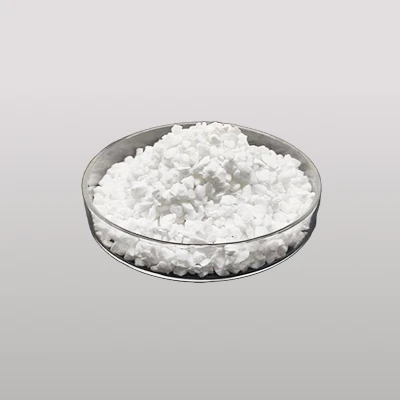
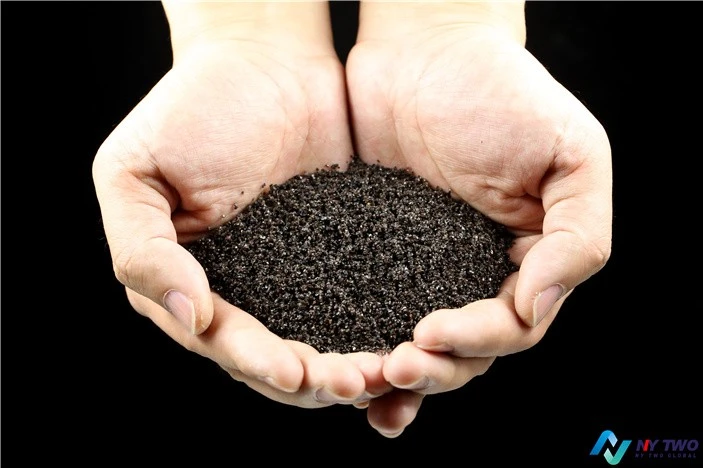
One of the primary roles of binders in refractory materials is to provide adhesion and bonding. Refractory materials are often composed of aggregates of different sizes and shapes, such as brown fused alumina is a versatile, Carborundum, and White Fused Alumina And White Fused Alumina. These aggregates need to be held together firmly to form a coherent structure. Binders act as the glue that binds these particles, preventing them from separating during handling, installation, and use.
For example, in the production of refractory bricks, binders ensure that the individual refractory grains are tightly packed and bonded. This bonding is essential for maintaining the integrity of the brick under high - temperature conditions. Without a proper binder, the bricks would crumble easily, leading to a significant reduction in their service life and performance.
Green Strength
Green strength refers to the strength of the refractory material in its un - fired or green state. Binders contribute significantly to the green strength of refractory products. When a refractory mixture is prepared, it needs to have enough strength to be shaped into the desired form, such as bricks, castables, or monolithics.
The binder provides the necessary cohesion to hold the material together during the forming process. This allows for easy handling, transportation, and installation of the green refractory products. For instance, in the case of refractory castables, the binder enables the castable to be poured into molds and retain its shape until it is cured and fired. A high - quality binder ensures that the castable does not slump or deform during this critical stage.
Densification and Porosity Control
Binders also play a role in the densification process of refractory materials. During firing, the binder decomposes and can leave behind a carbonaceous residue or participate in chemical reactions that promote the sintering of the refractory grains. This sintering process leads to the densification of the material, reducing its porosity.
Controlling porosity is crucial in refractory materials. A lower porosity generally means better resistance to corrosion, erosion, and thermal shock. By carefully selecting the binder and its amount, we can control the final porosity of the refractory product. For example, some organic binders can volatilize during firing, leaving behind voids that can be beneficial in certain applications where a controlled level of porosity is required for thermal insulation purposes. On the other hand, inorganic binders can promote more efficient sintering and result in a denser, less porous refractory material.
Chemical and Thermal Stability
Refractory materials are often exposed to extreme chemical and thermal environments. Binders need to have good chemical and thermal stability to ensure that they do not degrade or react adversely with the refractory aggregates or the surrounding environment.
In high - temperature applications, the binder must be able to withstand the heat without melting, decomposing too rapidly, or reacting with other components of the refractory. For example, in a steel - making furnace, the refractory lining is exposed to molten steel, slag, and high - temperature gases. The binder in the refractory material must be chemically stable in the presence of these aggressive substances and thermally stable at the operating temperatures of the furnace.
Resistance to Erosion and Corrosion
Binders can enhance the resistance of refractory materials to erosion and corrosion. Erosion occurs when the refractory surface is worn away by the flow of hot gases, molten metals, or slag. Corrosion, on the other hand, is the chemical attack on the refractory material by the surrounding substances.
A good binder can form a protective layer on the surface of the refractory grains or within the structure of the material. This layer can act as a barrier against the erosive and corrosive agents. For example, some binders can react with the refractory aggregates to form a glassy phase that fills the pores and provides a smooth surface, reducing the likelihood of erosion and corrosion.
Influence on Thermal Conductivity
The choice of binder can also affect the thermal conductivity of refractory materials. Thermal conductivity is an important property in many refractory applications, as it determines how well the material can transfer heat.
Some binders can increase the thermal conductivity of the refractory by promoting better contact between the refractory grains, thus facilitating heat transfer. In contrast, other binders can act as insulators and reduce the thermal conductivity. This property can be exploited to design refractory materials for specific applications. For example, in applications where heat insulation is required, such as in furnace linings for energy - efficient operations, a binder that reduces thermal conductivity can be selected.
Different Types of Binders and Their Applications
There are various types of binders used in refractory materials, including organic and inorganic binders.
Organic Binders
Organic binders, such as pitch, tar, and resins, are commonly used in some refractory applications. They are known for their good bonding properties and ability to provide high green strength. Pitch and tar are often used in the production of carbon - bonded refractories. These binders decompose during firing, leaving behind a carbon matrix that bonds the refractory grains.
Resins, on the other hand, can be tailored to have different properties. Phenolic resins, for example, are widely used in refractory castables and pre - formed shapes. They offer good green strength, chemical resistance, and can be adjusted to meet specific application requirements.
Inorganic Binders
Inorganic binders include materials such as clay, cement, and phosphates. Clay has been used as a binder in refractory materials for centuries. It provides good plasticity and bonding in the green state and can also contribute to the sintering process during firing.
Cement - based binders, such as calcium aluminate cement, are commonly used in refractory castables. They offer high early - strength development and good resistance to high temperatures. Phosphate binders are known for their excellent bonding properties and can be used in high - temperature refractory applications, especially in those where resistance to corrosion is critical.
Importance of Binder Selection
Selecting the right binder is crucial for the performance of refractory materials. The choice of binder depends on several factors, including the type of refractory aggregates, the application temperature, the chemical environment, and the desired properties of the final product.
For high - temperature applications, inorganic binders are often preferred due to their better thermal stability. In applications where good green strength and easy shaping are required, organic binders may be more suitable. Additionally, the compatibility of the binder with the refractory aggregates must be considered to avoid any adverse chemical reactions that could degrade the performance of the refractory material.
Conclusion
In conclusion, binders are an integral part of refractory materials. They perform a wide range of functions, from providing adhesion and green strength to controlling porosity, enhancing corrosion resistance, and influencing thermal conductivity. As a refractory supplier, understanding the role of binders allows us to develop high - quality refractory products that meet the diverse needs of our customers.
If you are in need of high - performance refractory materials or have any questions about the role of binders in refractory applications, we are here to help. We have a team of experts who can assist you in selecting the right refractory products and binders for your specific requirements. Contact us to start a discussion about your refractory needs and explore the best solutions for your applications.
References
- "Refractories Handbook", ASM International
- "High - Temperature Materials and Technology", CRC Press
- Journal of the American Ceramic Society, various issues related to refractory materials and binders.