

What is the role of Fused Mullite in environmental protection industry?
Fused mullite, a high - performance refractory material, has been playing an increasingly significant role in the environmental protection industry. As a reliable fused mullite supplier, I am eager to share with you the various contributions this remarkable material makes to environmental protection.
1. Waste Incineration and Fused Mullite
Waste incineration is a common method for waste disposal, which can significantly reduce the volume of waste and generate energy. However, the high - temperature and corrosive environment in waste incinerators pose great challenges to the refractory lining materials. Fused mullite, with its excellent high - temperature resistance and chemical stability, is an ideal choice for lining waste incinerators.
In waste incinerators, the temperature can reach extremely high levels, often exceeding 1000°C. Fused mullite can withstand these high temperatures without significant deformation or degradation. Its high melting point and low thermal expansion coefficient ensure the structural integrity of the incinerator lining. This not only extends the service life of the incinerator but also reduces the frequency of maintenance and replacement of refractory materials, thereby reducing the generation of waste refractory materials.
Moreover, waste incineration produces a variety of corrosive substances, such as acidic gases (e.g., sulfur dioxide and hydrochloric acid) and alkaline salts. Fused mullite has good resistance to chemical corrosion, which can effectively protect the incinerator structure from the attack of these corrosive substances. By preventing corrosion, fused mullite helps to maintain the normal operation of the incinerator, improving the efficiency of waste incineration and reducing the emission of pollutants due to equipment failure. For more information on related refractory materials, you can refer to Calcined Bauxite Properties.
2. Air Pollution Control
Fused mullite also finds applications in air pollution control equipment. In industrial processes, a large amount of dust and harmful gases are generated. Bag filters and electrostatic precipitators are commonly used to remove dust from the flue gas. Fused mullite can be used as a support material or a component in the construction of these dust - removal devices.
The high strength and stability of fused mullite ensure the reliable operation of the dust - removal equipment. It can withstand the impact and vibration during the operation of the equipment, as well as the high - temperature environment in some industrial processes. By improving the performance of dust - removal equipment, fused mullite helps to effectively capture dust particles, reducing the emission of particulate matter into the atmosphere.
In addition, for the treatment of harmful gases, such as nitrogen oxides and volatile organic compounds (VOCs), some catalytic converters are used. Fused mullite can serve as a carrier for catalysts. Its large specific surface area and good thermal stability provide a suitable environment for the dispersion and reaction of catalysts. This enhances the efficiency of catalytic reactions, promoting the conversion of harmful gases into harmless substances and reducing air pollution. You can learn more about related flame - retardant materials at ATH(Flame).
3. Water Treatment
In the water treatment industry, fused mullite can be used in filtration systems. Its porous structure and high - strength properties make it an excellent filter medium. In water treatment plants, fused mullite filters can effectively remove suspended solids, impurities, and some microorganisms from water.
The porous nature of fused mullite allows water to pass through while trapping particles of various sizes. This physical filtration process is an important step in water purification, which can improve the quality of water for subsequent treatment processes. Compared with some traditional filter materials, fused mullite has better durability and can be reused after backwashing, reducing the consumption of filter materials and the generation of waste.
Moreover, in some advanced water treatment technologies, such as membrane bioreactors, fused mullite can be used as a support material for membranes. It provides a stable structure for the membrane, ensuring the normal operation of the membrane separation process and improving the efficiency of water treatment.
4. Recycling and Reuse
As a fused mullite supplier, we also pay attention to the recycling and reuse of our products. After the service life of fused mullite in various applications, it can be recycled and processed. The recycled fused mullite can be used to produce new refractory products or other building materials.
This recycling process not only reduces the demand for raw materials but also minimizes the environmental impact associated with the disposal of waste refractory materials. By promoting the circular economy of fused mullite, we contribute to the sustainable development of the environmental protection industry. For example, in some cases, recycled fused mullite can be mixed with other materials to produce low - cost and high - performance refractory products, which can be used in less demanding applications.
5. Comparison with Other Materials
When compared with other refractory materials, fused mullite has several advantages in environmental protection applications. For instance, compared with some traditional clay - based refractory materials, fused mullite has higher purity and better performance at high temperatures. Clay - based materials may release some harmful substances during high - temperature use, while fused mullite is more environmentally friendly.
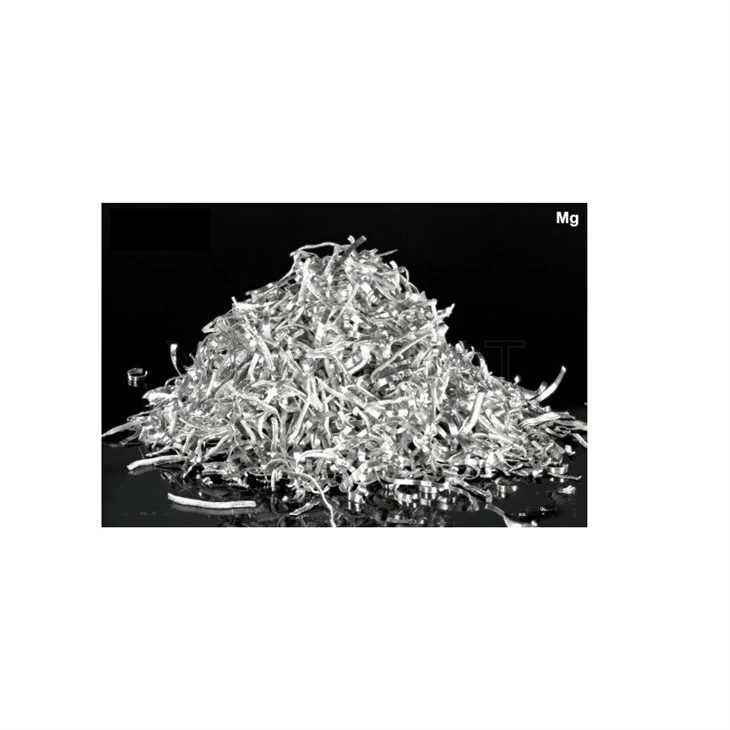
Compared with some synthetic refractory materials, fused mullite is relatively easy to recycle and reuse. Some synthetic materials may be difficult to decompose or recycle, which may cause long - term environmental problems. Fused mullite's recyclability makes it a more sustainable choice in the environmental protection industry. You can also explore other high - purity refractory materials like MAGNESIUM METAL SHINY FLAKES 99.9% PURE.
6. Future Prospects
The role of fused mullite in the environmental protection industry is expected to expand in the future. With the increasing stringency of environmental regulations and the growing demand for sustainable development, the need for high - performance and environmentally friendly refractory materials will continue to rise.
In the field of waste incineration, as the scale of waste treatment increases and the requirements for incineration efficiency and pollutant emission reduction become more strict, the performance requirements for refractory lining materials will also be higher. Fused mullite, with its excellent properties, is likely to be more widely used.
In air and water pollution control, as new treatment technologies emerge, fused mullite may be further optimized and combined with other materials to develop more efficient and innovative treatment equipment.
Conclusion
In conclusion, fused mullite plays a crucial role in the environmental protection industry. Its applications in waste incineration, air and water pollution control, and recycling contribute to reducing environmental pollution, improving resource utilization efficiency, and promoting sustainable development. As a professional fused mullite supplier, we are committed to providing high - quality products and technical support to meet the needs of the environmental protection industry.
If you are interested in our fused mullite products or have any questions about its application in environmental protection, please feel free to contact us for procurement and further discussions. We look forward to working with you to contribute to a cleaner and more sustainable environment.
References
- "Refractory Materials Handbook"
- Journal of Environmental Science and Technology research papers related to refractory materials in environmental protection applications
- Industry reports on the development of the environmental protection industry and the application of refractory materials.