

What is the shelf - life of Ferro Silicon?
Ferro silicon is an important alloy widely used in the steelmaking and foundry industries. As a ferro silicon supplier, I often receive inquiries from customers about the shelf - life of ferro silicon. In this blog post, I will explore this topic in detail and provide you with comprehensive information.
Understanding Ferro Silicon
Before delving into the shelf - life, it's crucial to understand what ferro silicon is. Ferro silicon is an alloy composed of iron and silicon, with silicon content typically ranging from 15% to 90%. It is produced by reducing silica or quartzite with coke in the presence of iron. This alloy is known for its ability to deoxidize steel, improve the strength and hardness of cast iron, and enhance the fluidity of molten metal during the casting process.
Factors Affecting the Shelf - Life of Ferro Silicon
The shelf - life of ferro silicon is influenced by several factors. These factors can be broadly classified into environmental and material - related aspects.
Environmental Factors
- Moisture: Moisture is one of the most significant environmental factors that can affect ferro silicon. When exposed to high humidity or direct contact with water, ferro silicon can undergo oxidation and form a layer of silicon dioxide and iron oxides on its surface. This oxidation process not only changes the chemical composition of the alloy but also reduces its effectiveness in industrial applications. For example, in steelmaking, oxidized ferro silicon may not perform as well in deoxidizing the steel, leading to inferior quality products.
- Temperature: Extreme temperatures can also have an impact on ferro silicon. High temperatures can accelerate the oxidation process, while very low temperatures may cause physical changes in the alloy structure. In a hot and humid environment, the combination of high temperature and moisture can be particularly detrimental to the shelf - life of ferro silicon. On the other hand, extremely cold temperatures may make the alloy more brittle, increasing the risk of breakage during handling and transportation.
- Storage Conditions: The way ferro silicon is stored plays a vital role in determining its shelf - life. Storing ferro silicon in a well - ventilated, dry, and clean warehouse can significantly extend its usable life. In contrast, storing it in a damp, dirty, or poorly ventilated area can lead to faster degradation. For instance, if ferro silicon is stored in a warehouse with poor ventilation, the build - up of moisture and dust can accelerate the oxidation process.
Material - Related Factors
- Purity: The purity of ferro silicon affects its stability and shelf - life. Higher - purity ferro silicon is generally more resistant to oxidation and other forms of degradation. Impurities in the alloy can act as catalysts for chemical reactions, increasing the likelihood of oxidation and other changes. For example, if there are traces of reactive metals in the ferro silicon, they may react with oxygen or moisture in the environment, leading to a shorter shelf - life.
- Particle Size: The particle size of ferro silicon also matters. Smaller particles have a larger surface area, which means they are more exposed to the environment and are more likely to oxidize. Larger particles, on the other hand, have a relatively smaller surface - to - volume ratio and are less prone to oxidation. However, the choice of particle size also depends on the specific application, as different industrial processes may require different particle sizes.
Estimating the Shelf - Life
Under ideal storage conditions, ferro silicon can have a relatively long shelf - life. Generally, if stored in a dry, well - ventilated area with controlled temperature and humidity, ferro silicon can remain in good condition for up to two years or more. However, in less favorable conditions, the shelf - life can be significantly reduced. For example, in a hot and humid coastal area, the shelf - life may be reduced to less than a year.
It's important to note that the shelf - life is not an absolute value. Even if ferro silicon has been stored for a long time, it doesn't necessarily mean it is completely unusable. A simple inspection and analysis can determine if the alloy is still suitable for its intended application. Visual inspection can reveal signs of oxidation, such as discoloration or the presence of rust. Chemical analysis can provide more accurate information about the changes in the alloy's composition.
Applications and Their Impact on Shelf - Life Considerations
Ferro silicon is used in various applications, and the requirements for its shelf - life can vary depending on the specific use.
Steelmaking
In the steelmaking industry, the quality of ferro silicon is crucial for achieving the desired properties of steel. Steel manufacturers often require ferro silicon to be in optimal condition to ensure effective deoxidation and alloying. If the ferro silicon has been stored for a long time and shows signs of oxidation, it may need to be treated or replaced to avoid negative impacts on the steel quality. For example, if oxidized ferro silicon is used in steelmaking, it may result in steel with higher oxygen content, which can reduce the strength and ductility of the steel.
Foundry
In the foundry industry, ferro silicon is used to improve the fluidity and mechanical properties of cast iron. Similar to steelmaking, foundries also need high - quality ferro silicon. However, the tolerance for slight degradation may be slightly higher compared to steelmaking. For some less critical casting applications, ferro silicon that has undergone minor oxidation may still be usable, but it may require adjustments in the casting process.
Related Products and Their Significance
As a ferro silicon supplier, we also offer other related products such as Graphite Electrodes, Cored Wires, and Pure Magnesium Powder Suppliers With High Quality. These products often work in conjunction with ferro silicon in industrial processes.
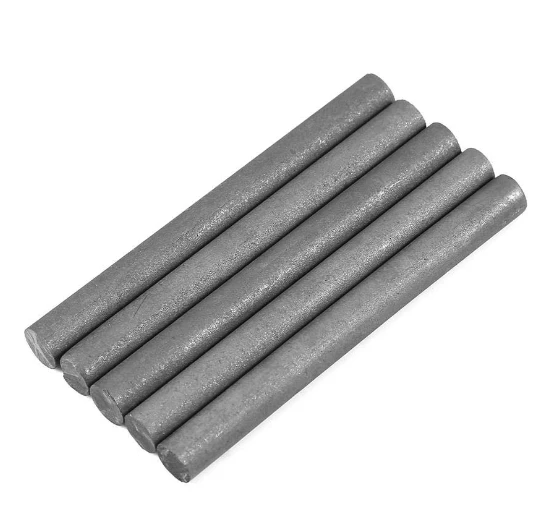
Graphite electrodes are essential in electric arc furnaces used for steelmaking. They provide the electrical energy needed to melt the scrap metal and other raw materials. The quality of graphite electrodes can affect the efficiency of the steelmaking process, and when used in combination with high - quality ferro silicon, they can contribute to the production of high - quality steel.
Cored wires are used for alloying and inoculation in the foundry and steelmaking industries. They can be filled with various alloys and elements, including ferro silicon. The use of cored wires can improve the distribution of alloying elements in the molten metal, enhancing the quality of the final product.
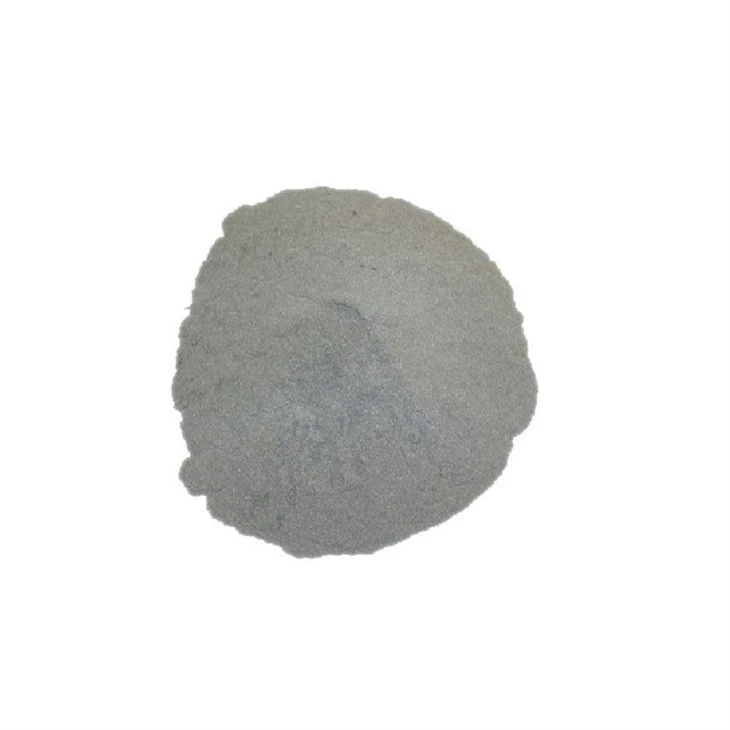
Pure magnesium powder is often used as a desulfurizing agent in steelmaking and foundry processes. When used together with ferro silicon, it can help in removing impurities from the molten metal, resulting in cleaner and better - quality products.
Contact for Procurement
If you are interested in purchasing ferro silicon or any of our other related products, we encourage you to reach out to us for procurement and further discussions. We have a team of experts who can provide you with detailed information about the products, their specifications, and how they can meet your specific industrial needs. Whether you are a steel manufacturer, a foundry, or any other industry that requires high - quality alloys, we are here to assist you.
References
- "Handbook of Ferroalloys"
- "Steelmaking and Refining Processes"
- Industry reports on alloy storage and quality control