

What is the thermal expansion coefficient of White Fused Alumina?
Hey there! As a supplier of White Fused Alumina, I often get asked about the thermal expansion coefficient of this amazing material. So, let's dive right in and explore what it is and why it matters.
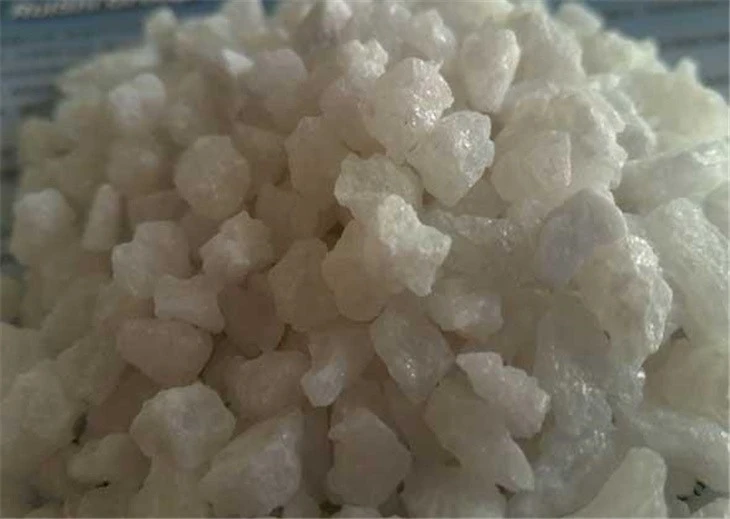
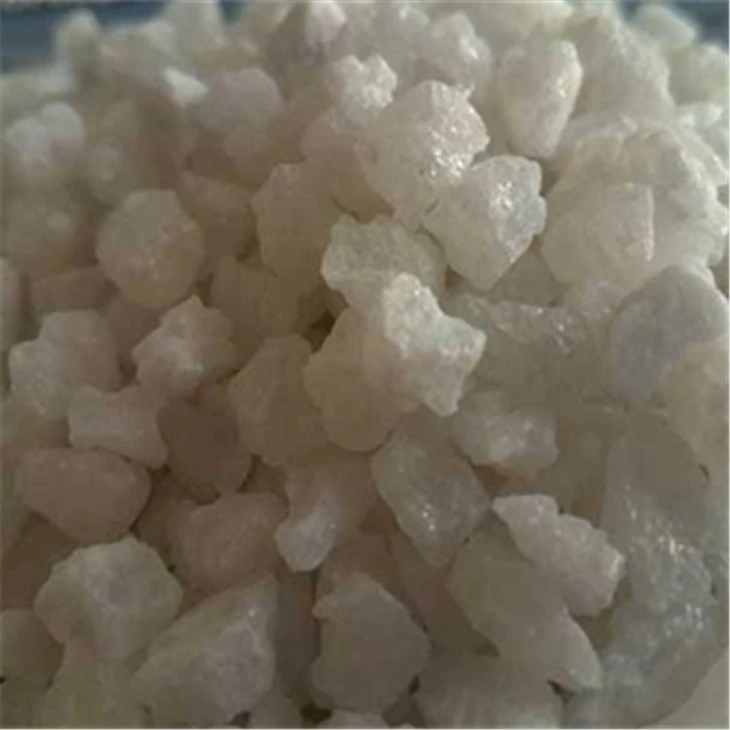
First off, what exactly is White Fused Alumina? It's a high - purity form of aluminum oxide (Al₂O₃) that's produced by melting high - quality bauxite in an electric arc furnace. This process results in a material that's known for its hardness, chemical stability, and excellent thermal properties.
Now, let's talk about the thermal expansion coefficient. In simple terms, the thermal expansion coefficient measures how much a material expands or contracts when its temperature changes. It's usually expressed in units of length per unit length per degree Celsius (or Kelvin). For White Fused Alumina, the thermal expansion coefficient is relatively low compared to many other materials.
The thermal expansion coefficient of White Fused Alumina typically ranges from about 7.6×10⁻⁶ /°C to 8.8×10⁻⁶ /°C in the temperature range of 20 - 1000°C. This low value is a big deal for a bunch of reasons.
One of the main advantages of a low thermal expansion coefficient is that it gives White Fused Alumina excellent thermal shock resistance. Thermal shock occurs when a material is exposed to rapid temperature changes. Materials with high thermal expansion coefficients can crack or break under these conditions because different parts of the material expand or contract at different rates, creating internal stresses. But with its low thermal expansion coefficient, White Fused Alumina can handle sudden temperature changes without significant damage. This makes it ideal for applications where thermal shock is a concern, like in refractory linings for furnaces and kilns.
In the refractory industry, White Fused Alumina is a top choice because of its low thermal expansion. Refractory materials are used to line furnaces, kilns, and other high - temperature equipment. They need to withstand extreme heat and thermal cycling without losing their structural integrity. The low thermal expansion of White Fused Alumina helps ensure that the refractory lining remains stable over time, reducing the need for frequent repairs and replacements.
Another area where the low thermal expansion coefficient of White Fused Alumina shines is in abrasive applications. Abrasive products made from White Fused Alumina, such as grinding wheels and sandpaper, need to maintain their shape and performance under high - speed rotation and frictional heat. The low thermal expansion helps prevent the abrasive grains from cracking or breaking due to temperature changes during the grinding process, resulting in a more consistent and efficient cutting performance.
Now, it's worth noting that White Fused Alumina isn't the only type of alumina out there. White fused alumina and brown fused alumina are two distinct types of alumina. Brown Fused Alumina is also widely used, especially in abrasive applications. It's made from a different raw material and has different properties. The thermal expansion coefficient of Brown Fused Alumina is generally a bit higher than that of White Fused Alumina, which can affect its performance in certain applications. If you're interested in Brown Fused Alumina, you can check out Brown Fused Alumina Manufacturer for more info.
There's also Tabular Alumina, which is another form of alumina with unique properties. Tabular Alumina is produced by calcining high - purity alumina powder at high temperatures. It has a different crystal structure and thermal properties compared to White Fused Alumina. While Tabular Alumina also has good thermal stability, its thermal expansion behavior can be different, and it's often used in different applications, such as in the production of high - performance ceramics.
When it comes to choosing between different types of alumina, understanding the thermal expansion coefficient is crucial. It can help you select the right material for your specific application, whether it's for refractories, abrasives, ceramics, or other industries.
As a supplier of White Fused Alumina, I've seen firsthand how important it is to provide high - quality products with consistent properties. We work hard to ensure that our White Fused Alumina meets the strictest quality standards, including having a reliable thermal expansion coefficient. Our customers rely on us to deliver a product that performs well in their applications, and the low thermal expansion of our White Fused Alumina is a key factor in its success.
If you're in the market for White Fused Alumina or want to learn more about its properties and applications, don't hesitate to reach out. Whether you're a small - scale manufacturer or a large industrial company, we can work with you to find the right solution for your needs. We can provide samples, technical support, and competitive pricing. So, if you're looking to source high - quality White Fused Alumina, let's start a conversation and see how we can help you achieve your goals.
In conclusion, the thermal expansion coefficient of White Fused Alumina is a critical property that gives it a range of advantages in various applications. Its low value provides excellent thermal shock resistance, making it suitable for high - temperature environments where stability is key. By understanding this property and how it compares to other types of alumina, you can make informed decisions when selecting materials for your projects. So, if you have any questions or are interested in purchasing White Fused Alumina, feel free to get in touch, and let's explore the possibilities together.
References
- "Alumina and Alumina - Based Materials" by various authors in the Handbook of Advanced Ceramics
- Technical literature from leading refractory and abrasive manufacturers