

What safety precautions should be taken when using cored wires?
Hey there! As a supplier of cored wires, I've seen firsthand how important it is to use these products safely. Cored wires are used in a variety of industries, including welding, metalworking, and construction. They're a great way to add specific elements or alloys to your projects, but if not handled properly, they can pose some risks. So, let's talk about what safety precautions you should take when using cored wires.
Personal Protective Equipment (PPE)
First and foremost, always wear the right personal protective equipment. This is your first line of defense against potential hazards.
- Welding Helmets: A good welding helmet is a must. It protects your face and eyes from sparks, UV radiation, and infrared rays. Make sure the helmet has the appropriate shade for the type of welding you're doing. The shade number indicates how dark the lens is, and it should be chosen based on the welding current and process.
- Gloves: Welding gloves are designed to protect your hands from heat, sparks, and molten metal. They should be made of heat-resistant materials like leather and fit well to ensure dexterity. You don't want to be fumbling around with ill-fitting gloves while you're working.
- Protective Clothing: Wear flame-resistant clothing to protect your body from sparks and hot metal. Long-sleeved shirts and pants are ideal. Some welding jackets even come with built-in protection against UV rays. And don't forget to wear closed-toe shoes to protect your feet.
Ventilation
Proper ventilation is crucial when using cored wires. Welding and working with cored wires can produce fumes and gases that are harmful if inhaled.
- Local Exhaust Ventilation: Use a local exhaust ventilation system to capture the fumes at the source. This is much more effective than general ventilation in removing the harmful substances from the air. The system should be properly maintained to ensure it's working efficiently.
- Natural Ventilation: If possible, work in an area with good natural ventilation. Open windows and doors to allow fresh air to circulate. However, don't rely solely on natural ventilation, especially if you're doing a lot of welding.
Storage and Handling
How you store and handle cored wires can also affect safety.
- Storage Conditions: Store cored wires in a dry, clean place. Moisture can cause the wires to rust or deteriorate, which can affect their performance and potentially create safety issues. Keep them away from chemicals and other substances that could contaminate them.
- Handling: When handling cored wires, be careful not to damage them. Bent or kinked wires can cause feeding problems during welding. Also, make sure to use the correct feeding equipment to ensure smooth and consistent wire feeding.
Equipment Inspection
Regularly inspect your welding equipment, including the cored wire feeder, welding machine, and other accessories.
- Welding Machine: Check the welding machine for any signs of damage or malfunction. Make sure the electrical connections are secure and there are no exposed wires. A faulty welding machine can not only affect the quality of your welds but also pose a safety hazard.
- Cored Wire Feeder: Inspect the wire feeder for proper operation. Check the drive rolls for wear and make sure they're adjusted correctly to feed the wire smoothly. Any problems with the wire feeder can lead to inconsistent welding and potential safety issues.
Fire Prevention
Welding with cored wires can generate a lot of heat and sparks, so fire prevention is essential.
- Fire Extinguishers: Keep a fire extinguisher nearby and make sure you know how to use it. Different types of fires require different types of extinguishers, so choose one that's suitable for welding fires.
- Fire-Resistant Surfaces: Work on fire-resistant surfaces to prevent fires from spreading. Avoid welding near flammable materials like paper, wood, or gasoline. If you have to work in an area with flammable materials, take extra precautions to protect them.
Training and Education
Make sure you and your employees are properly trained in using cored wires.
- Safety Training: Provide comprehensive safety training that covers all aspects of using cored wires, including PPE, ventilation, storage, and handling. Regularly refresh this training to keep everyone up-to-date on the latest safety practices.
- Technical Training: In addition to safety training, provide technical training on how to use the cored wires effectively. This includes understanding the different types of cored wires, their applications, and how to set up the welding equipment correctly.
Compatibility with Other Materials
When using cored wires, it's important to consider their compatibility with other materials.
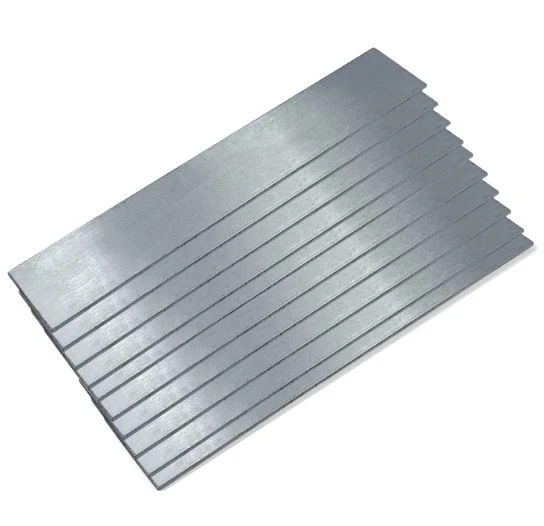
- Alloy Compatibility: Some cored wires contain specific alloys like Ferro Silicon or Magnesium Ingot. Make sure these alloys are compatible with the base metal you're welding. Using incompatible materials can lead to poor weld quality and potential safety issues.
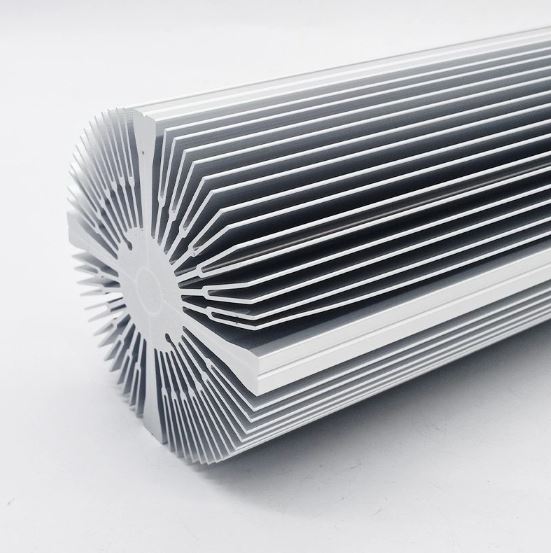
- Thermal Conductivity: If you're working with materials that require high thermal conductivity, like High Thermal Conductivity Aluminum Alloy, choose cored wires that are suitable for these applications. Using the wrong wires can affect the performance of the final product.
Emergency Preparedness
Even with all the safety precautions in place, emergencies can still happen.
- Emergency Plan: Have an emergency plan in place that outlines what to do in case of an accident, such as a fire, electrical shock, or injury. Make sure everyone knows the plan and where to find the emergency exits.
- First Aid Kit: Keep a well-stocked first aid kit nearby and make sure someone is trained in first aid. In case of an injury, prompt first aid can make a big difference in the outcome.
In conclusion, using cored wires safely requires a combination of proper PPE, ventilation, storage, handling, equipment inspection, training, and emergency preparedness. By following these safety precautions, you can minimize the risks and ensure a safe working environment.
If you're interested in purchasing high-quality cored wires or have any questions about their use, feel free to reach out to us. We're here to help you find the right products for your needs and provide you with all the support you need to use them safely and effectively.
References
- American Welding Society. (Year). Welding Safety Standards.
- Occupational Safety and Health Administration (OSHA). (Year). General Industry Safety and Health Standards.
- Manufacturer's manuals for cored wires and welding equipment.