

Are cored wires suitable for high - power applications?
As a supplier of cored wires, I've been frequently asked whether cored wires are suitable for high - power applications. In this blog, I'll explore this question in depth, analyzing the characteristics of cored wires and their adaptability in high - power scenarios.
Understanding Cored Wires
Cored wires are composite welding consumables with a metal sheath and a core filled with various alloying elements and fluxing agents. The core materials can be customized according to different application requirements, which gives cored wires unique advantages compared to solid wires.
The first advantage is the high deposition rate. The presence of the core allows for a more efficient transfer of filler metal during the welding process. This means that more metal can be added to the weld joint in a shorter period, increasing the productivity of the welding operation. For example, in some large - scale manufacturing projects, the high deposition rate of cored wires can significantly reduce the overall welding time.
Secondly, cored wires offer better arc stability. The flux in the core helps to stabilize the arc, resulting in a smoother and more consistent welding process. This is crucial for achieving high - quality welds, especially in high - power applications where the heat input is substantial. With better arc stability, the chances of defects such as porosity and lack of fusion are reduced.
High - Power Applications and Their Requirements
High - power applications typically involve large - scale manufacturing, heavy - duty construction, and high - stress environments. In these scenarios, the weld joints need to withstand significant mechanical loads, high temperatures, and sometimes corrosive substances.
One of the key requirements in high - power applications is high - strength welds. The weld joints must have sufficient tensile strength, yield strength, and toughness to ensure the structural integrity of the final product. For instance, in the construction of bridges or offshore platforms, the welds need to support the weight of the entire structure and resist external forces such as wind and waves.
Another important requirement is resistance to heat and corrosion. In high - power welding, the heat input can be extremely high, which may cause the weld metal to undergo various metallurgical changes. Moreover, in some applications like chemical processing plants or marine environments, the weld joints are exposed to corrosive substances. Therefore, the cored wires used in these applications should be able to form welds that can resist heat - induced degradation and corrosion.
Suitability of Cored Wires for High - Power Applications
High - Strength Performance
Cored wires can be formulated to provide high - strength welds. By carefully selecting the alloying elements in the core, we can enhance the mechanical properties of the weld metal. For example, adding elements such as manganese, nickel, and chromium can increase the strength and toughness of the weld. These alloyed cored wires can meet the high - strength requirements of many high - power applications.
Research has shown that cored wires with appropriate alloying can achieve tensile strengths comparable to or even higher than those of traditional welding methods. In a study on the welding of high - strength steel structures, cored wires produced welds with a tensile strength of over 800 MPa, which is sufficient for most heavy - duty applications.
Heat Resistance
The heat resistance of cored wires is also an important factor in high - power applications. The flux in the core can act as a thermal barrier, protecting the weld metal from excessive heat. Additionally, some alloying elements in the core can form stable oxides at high temperatures, which further improve the heat resistance of the weld.
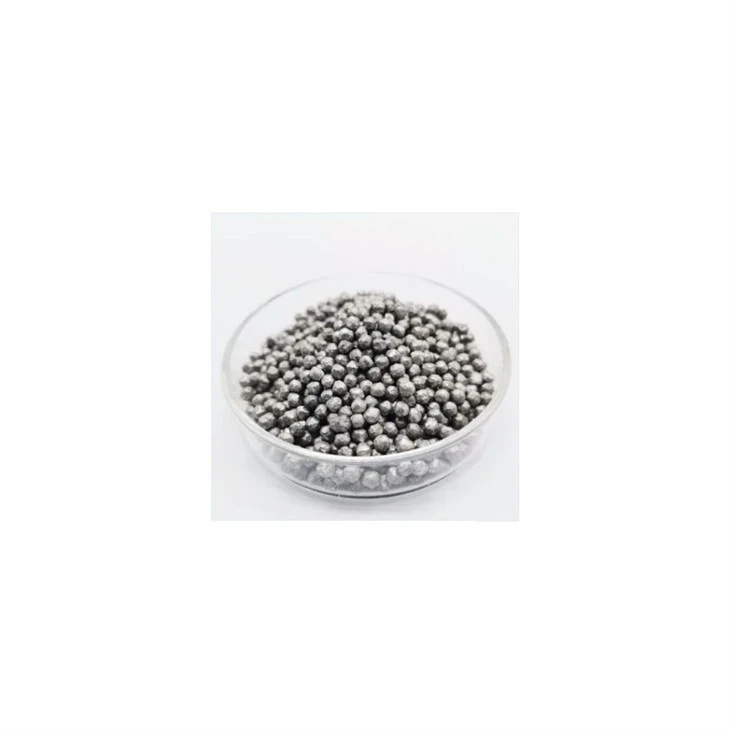
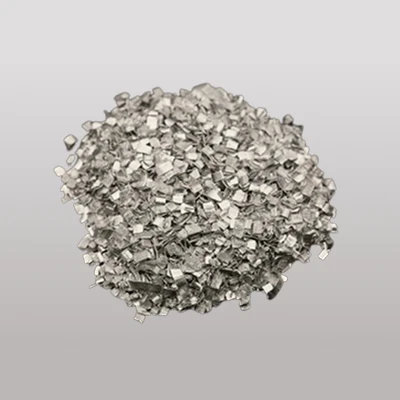
For example, the addition of magnesium in the core can enhance the heat resistance of the weld. Magnesium has unique Properties Of Magnesium that make it beneficial in high - temperature environments. It can react with oxygen to form a protective oxide layer on the surface of the weld, preventing further oxidation and degradation.
Corrosion Resistance
In corrosive environments, cored wires can be designed to provide excellent corrosion resistance. By adding corrosion - resistant elements such as chromium, nickel, and molybdenum to the core, the weld metal can form a passive film on its surface, which acts as a barrier against corrosive substances.
For marine applications, cored wires with a high content of chromium and nickel can be used to weld stainless steel components. These cored wires can produce welds that are highly resistant to seawater corrosion, ensuring the long - term durability of the structures.
Challenges and Considerations
While cored wires have many advantages for high - power applications, there are also some challenges and considerations.
One of the challenges is the cost. Cored wires are generally more expensive than solid wires due to the complexity of their manufacturing process and the use of specialized alloying elements. However, in high - power applications where the quality and performance of the welds are crucial, the higher cost may be justified by the improved productivity and reduced maintenance requirements.
Another consideration is the selection of the appropriate cored wire for a specific application. Different high - power applications have different requirements, and choosing the wrong cored wire can lead to poor weld quality. It is essential to consider factors such as the base metal, the welding process, and the service environment when selecting a cored wire.
Conclusion
In conclusion, cored wires are generally suitable for high - power applications. Their high deposition rate, good arc stability, and the ability to provide high - strength, heat - resistant, and corrosion - resistant welds make them a viable option for many high - power scenarios. However, careful consideration should be given to the cost and the selection of the appropriate cored wire.
If you are involved in high - power applications and are looking for high - quality cored wires, we are here to help. Our company offers a wide range of cored wires that can be customized to meet your specific requirements. We also provide MAGNESIUM SHAVINGS and 150g Magnesium Metal Turnings (shavings Not Powder ) which can be used as additives in the cored wire manufacturing process. Contact us for more information and to start a procurement discussion.
References
- "Welding Metallurgy and Weldability of Stainless Steels" by John C. Lippold and David J. Kotecki
- "High - Strength Steel Welding" by American Welding Society
- Research papers on cored wire applications in high - power industries from relevant academic journals