

What is the thermal conductivity of the abrasives I buy?
As a supplier in the abrasives industry, I often receive inquiries from customers about the thermal conductivity of the abrasives they're considering purchasing. Understanding the thermal conductivity of abrasives is crucial, as it directly impacts their performance in various applications, from grinding and cutting to polishing and finishing. In this blog post, I'll delve into the concept of thermal conductivity, explain its significance in the context of abrasives, and provide insights into the thermal conductivity of some common abrasives we offer.
What is Thermal Conductivity?
Thermal conductivity is a measure of a material's ability to conduct heat. It is defined as the quantity of heat that passes through a unit area of a material in a unit time when there is a unit temperature gradient across the material. The SI unit for thermal conductivity is watts per meter-kelvin (W/(m·K)). A high thermal conductivity indicates that a material can transfer heat quickly, while a low thermal conductivity means that the material is a poor conductor of heat and acts as an insulator.
In the case of abrasives, thermal conductivity plays a vital role in determining how effectively they can dissipate the heat generated during the grinding or cutting process. When an abrasive tool comes into contact with a workpiece, friction generates heat. If the abrasive has a low thermal conductivity, the heat can build up at the contact point, leading to thermal damage to the workpiece, such as burns, cracks, or changes in the material's microstructure. On the other hand, abrasives with high thermal conductivity can quickly transfer the heat away from the contact area, reducing the risk of thermal damage and improving the overall efficiency of the process.
Factors Affecting the Thermal Conductivity of Abrasives
Several factors can influence the thermal conductivity of abrasives, including:
- Material Composition: Different abrasive materials have different thermal conductivities. For example, metals generally have high thermal conductivities, while ceramics and polymers tend to have lower thermal conductivities. The chemical composition and crystal structure of the abrasive material can also affect its thermal conductivity.
- Porosity: Abrasives with a high porosity have a lower thermal conductivity because the pores act as insulators, impeding the flow of heat. On the other hand, dense abrasives with low porosity have a higher thermal conductivity.
- Grain Size: The grain size of the abrasive particles can also affect thermal conductivity. Smaller grain sizes generally result in a higher surface area to volume ratio, which can increase the contact area between the abrasive and the workpiece and improve heat transfer. However, very fine grains may also increase the friction and heat generation during the grinding process.
- Bonding Material: The bonding material used to hold the abrasive particles together can also influence thermal conductivity. Some bonding materials, such as resin bonds, have a lower thermal conductivity than others, such as metal bonds. The type and amount of bonding material can affect the overall thermal conductivity of the abrasive tool.
Thermal Conductivity of Common Abrasives
Let's take a look at the thermal conductivity of some common abrasives we offer:
- Brown Fused Alumina: Brown fused alumina is one of the most widely used abrasives due to its high hardness, toughness, and thermal conductivity. It is made by fusing bauxite in an electric arc furnace, resulting in a material with a high alumina content. Brown fused alumina has a thermal conductivity of approximately 30 - 40 W/(m·K), which allows it to effectively dissipate heat during the grinding process. This makes it suitable for a wide range of applications, including grinding ferrous metals, non-ferrous metals, and ceramics. Brown Fused Alumina Powder China
- White Fused Alumina: White fused alumina is a high-purity abrasive made by fusing aluminum oxide in an electric arc furnace. It has a higher purity and hardness than brown fused alumina, as well as a higher thermal conductivity of around 40 - 50 W/(m·K). White fused alumina is often used for precision grinding applications, such as grinding high-speed steel, stainless steel, and other hard materials, where heat dissipation is critical to prevent thermal damage.
- Silicon Carbide: Silicon carbide is a hard, brittle abrasive with excellent thermal conductivity. It is made by reacting silica sand with carbon in an electric furnace. Silicon carbide has a thermal conductivity of approximately 80 - 120 W/(m·K), which is significantly higher than that of alumina abrasives. This high thermal conductivity makes silicon carbide ideal for grinding non-ferrous metals, ceramics, and composites, as well as for applications where high heat generation is expected, such as cutting and sawing.
- Mullite Brick (high Alumina Refractories): Mullite is a ceramic material with good thermal stability and moderate thermal conductivity. Mullite bricks are often used in high-temperature applications, such as furnaces and kilns, where they can withstand high temperatures and thermal shock. The thermal conductivity of mullite bricks typically ranges from 2 - 5 W/(m·K), depending on the composition and manufacturing process. Mullite Brick(high Alumina Refractories)
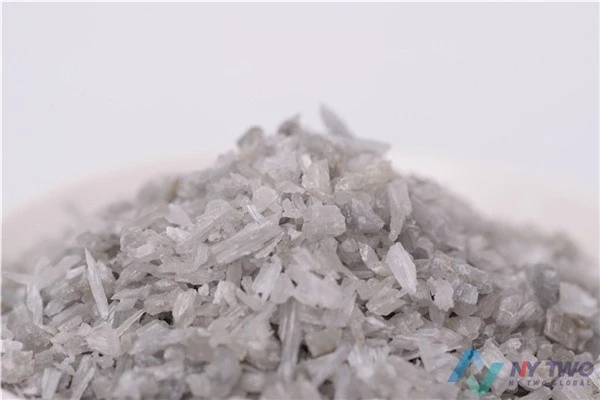
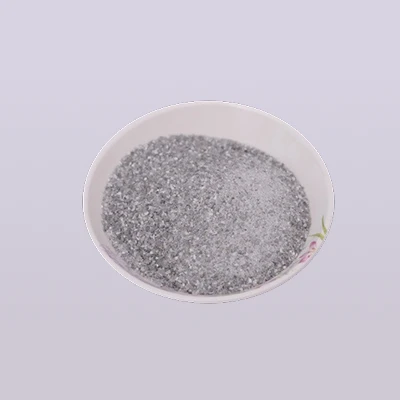
- Brilliant Spark - Spinel: Spinel is a group of minerals with a wide range of properties, including high hardness, good chemical stability, and moderate thermal conductivity. Spinel abrasives are used in various applications, such as grinding, polishing, and surface finishing. The thermal conductivity of spinel abrasives can vary depending on the specific composition and crystal structure, but it is generally in the range of 10 - 30 W/(m·K). Brilliant Spark - Spinel
Importance of Thermal Conductivity in Abrasive Applications
The thermal conductivity of abrasives is a critical factor in determining their performance in various applications. Here are some examples of how thermal conductivity affects abrasive performance:
- Grinding Efficiency: Abrasives with high thermal conductivity can transfer heat away from the grinding zone more quickly, reducing the temperature at the contact point and minimizing the risk of thermal damage to the workpiece. This allows for higher grinding speeds and feeds, improving the overall efficiency of the grinding process.
- Workpiece Quality: By dissipating heat effectively, abrasives with high thermal conductivity can prevent thermal damage to the workpiece, such as burns, cracks, and changes in the material's microstructure. This results in a better surface finish and dimensional accuracy of the workpiece.
- Tool Life: Excessive heat generation during the grinding process can cause the abrasive particles to wear out more quickly and the bonding material to break down. Abrasives with high thermal conductivity can reduce the heat build-up and extend the tool life, reducing the frequency of tool changes and increasing productivity.
- Safety: High temperatures generated during the grinding process can pose a safety hazard to the operator, such as burns and fire risks. Abrasives with high thermal conductivity can help to reduce the heat generation and improve the safety of the grinding operation.
Conclusion
In conclusion, understanding the thermal conductivity of abrasives is essential for selecting the right abrasive for your application. By considering the thermal conductivity of different abrasives, you can improve the grinding efficiency, workpiece quality, tool life, and safety of your grinding operations. As a supplier of abrasives, we offer a wide range of products with different thermal conductivities to meet the diverse needs of our customers. If you have any questions about the thermal conductivity of our abrasives or need help selecting the right product for your application, please don't hesitate to contact us. We are here to provide you with the best solutions and support for your abrasive needs.
References
- Callister, W. D., & Rethwisch, D. G. (2011). Materials Science and Engineering: An Introduction. Wiley.
- Schey, J. A. (1987). Tribology in Metalworking: Friction, Lubrication, and Wear. American Society for Metals.
- Trent, E. M., & Wright, P. K. (2000). Metal Cutting. Butterworth-Heinemann.