

Are there any substitutes for Fused Magnesia?
In the realm of refractory materials, fused magnesia holds a prominent position due to its exceptional high - temperature resistance, chemical stability, and mechanical strength. As a long - standing fused magnesia supplier, I often encounter inquiries about whether there are substitutes for fused magnesia. In this blog, we will explore various potential alternatives, their properties, and how they compare to fused magnesia.
Understanding Fused Magnesia
Fused magnesia is produced by melting high - purity magnesite in an electric arc furnace at extremely high temperatures. This process results in a material with a high melting point (around 2800°C), excellent thermal shock resistance, and low thermal conductivity. It is widely used in industries such as steelmaking, cement production, and non - ferrous metal smelting, where materials need to withstand harsh high - temperature and corrosive environments.
Potential Substitutes for Fused Magnesia
Aluminium Hydroxide(Al(OH)₃)
Aluminium Hydroxide(Al(OH)₃) is a common inorganic compound that can be used as a refractory material to some extent. When heated, aluminium hydroxide decomposes into aluminium oxide (alumina) and water. Alumina has a relatively high melting point (around 2054°C) and good chemical stability.
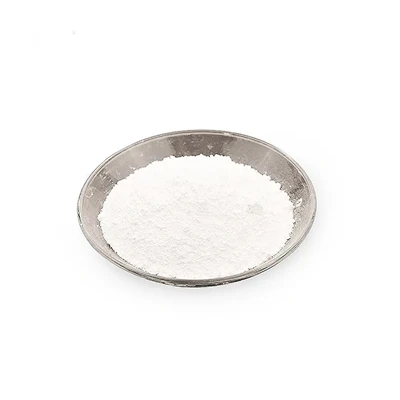
In some low - to medium - temperature applications, aluminium hydroxide can be used as a partial substitute for fused magnesia. For example, in the production of certain types of refractory bricks or castables for less severe high - temperature environments, aluminium hydroxide can contribute to the overall refractory performance. However, compared to fused magnesia, its high - temperature resistance is not as good. At very high temperatures, alumina may undergo phase transitions that can affect its structural integrity, and it is also more susceptible to chemical attack by some acidic slags.
Brown Corundum
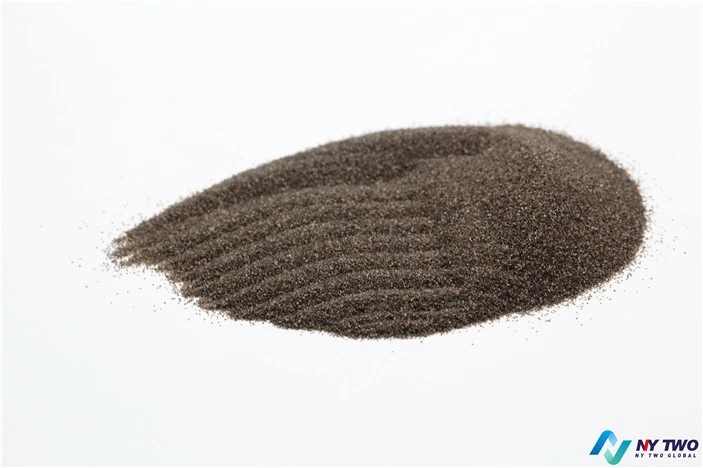
Brown Corundum is another potential substitute. It is an artificial abrasive and refractory material made by fusing bauxite, anthracite, and iron filings in an electric arc furnace. Brown corundum mainly consists of aluminium oxide with some impurities such as titanium dioxide, silicon dioxide, and iron oxide.
Brown corundum has good hardness, wear resistance, and a relatively high melting point (around 2050°C). It can be used in refractory applications where abrasion resistance is also required, such as in the lining of some industrial furnaces. However, its chemical composition makes it less suitable for applications where strong basic conditions are present. Fused magnesia, on the other hand, has better resistance to basic slags, which is crucial in many metallurgical processes.
Brown Fused Alumina
Brown Fused Alumina Manufacturers & Suppliers offer a product that is similar to brown corundum but with a higher purity of aluminium oxide. Brown fused alumina is produced by smelting high - quality bauxite in an electric arc furnace. It has a high melting point, good thermal stability, and excellent mechanical strength.
In some cases, brown fused alumina can be used as a substitute for fused magnesia, especially in applications where the temperature requirements are not extremely high and the chemical environment is less corrosive. For example, in the production of some ceramic kiln furniture, brown fused alumina can provide sufficient refractory performance. But again, compared to fused magnesia, its resistance to basic substances is relatively poor.
Comparison of Key Properties
High - Temperature Resistance
Fused magnesia has a distinct advantage in high - temperature resistance. With a melting point of around 2800°C, it can withstand the most extreme high - temperature conditions in industrial processes. Aluminium hydroxide, brown corundum, and brown fused alumina have melting points in the range of 2050 - 2054°C, which limits their use in very high - temperature applications.
Chemical Resistance
Fused magnesia is highly resistant to basic slags, which is essential in steelmaking and other metallurgical processes. Aluminium hydroxide, brown corundum, and brown fused alumina are more suitable for neutral or acidic environments. In basic environments, they may react with the slag, leading to a reduction in their refractory performance.
Thermal Shock Resistance
Fused magnesia also exhibits good thermal shock resistance, which allows it to withstand rapid temperature changes without cracking. While aluminium hydroxide, brown corundum, and brown fused alumina have some degree of thermal shock resistance, they may not be as effective as fused magnesia in applications where frequent and severe thermal cycling occurs.
When to Consider Substitutes
Although fused magnesia has many advantages, there are situations where substitutes can be considered.
- Cost - effectiveness: If the application does not require the highest - level performance of fused magnesia, using substitutes such as aluminium hydroxide or brown corundum can significantly reduce costs. For example, in some small - scale industrial processes or applications with lower temperature requirements, cost - saving alternatives can be a viable option.
- Availability: In some regions, the supply of fused magnesia may be limited, or the lead time for delivery may be long. In such cases, local substitutes like brown corundum or aluminium hydroxide can be used to ensure the continuity of production.
Conclusion
In conclusion, while there are several potential substitutes for fused magnesia, each substitute has its own limitations and advantages. Aluminium hydroxide, brown corundum, and brown fused alumina can be used in specific applications where the performance requirements are not as strict as those in high - end industrial processes. However, for applications that demand the highest level of high - temperature resistance, chemical stability, and thermal shock resistance, fused magnesia remains the material of choice.
As a fused magnesia supplier, I understand the importance of providing the right refractory solution for each customer's needs. Whether you are considering using fused magnesia or exploring its substitutes, I am here to offer professional advice and high - quality products. If you have any questions about refractory materials or are interested in purchasing fused magnesia, please feel free to contact me for in - depth discussions and procurement negotiations.
References
- "Refractories Handbook" by Klaus W. Lange
- Journal articles on refractory materials published in "Journal of the American Ceramic Society"