

What is the hardness of brown aluminum oxide for refractory?
Brown aluminum oxide, a stalwart in the refractory industry, is renowned for its remarkable properties that make it an ideal choice for a wide range of high - temperature applications. As a supplier of brown aluminum oxide for refractory, I am often asked about its hardness and how it impacts its performance in refractory materials. In this blog, we will delve deep into the hardness of brown aluminum oxide, its measurement, significance, and how it compares to other materials in the refractory domain.
Understanding Brown Aluminum Oxide
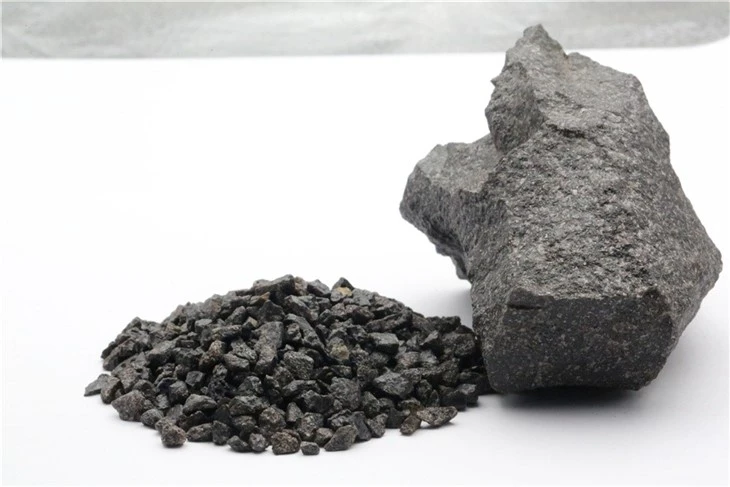
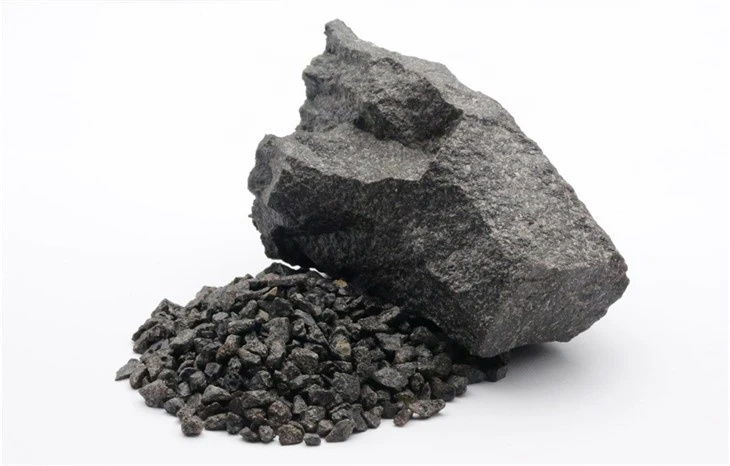
Brown aluminum oxide, also known as brown fused alumina, is produced by smelting bauxite, anthracite, and iron filings in an electric arc furnace at extremely high temperatures. The high - temperature smelting process results in a material with a unique crystalline structure that gives it its characteristic brown color and excellent physical properties.
The chemical composition of brown aluminum oxide typically consists of over 95% aluminum oxide ($Al_2O_3$), with small amounts of other oxides such as silica ($SiO_2$), titanium dioxide ($TiO_2$), and iron oxide ($Fe_2O_3$). These impurities, while present in small quantities, can have a significant impact on the material's properties, including its hardness.
Measuring the Hardness of Brown Aluminum Oxide
Hardness is a measure of a material's resistance to deformation, indentation, or scratching. There are several methods for measuring the hardness of materials, but the most commonly used methods for brown aluminum oxide are the Mohs scale and the Vickers hardness test.
The Mohs scale is a qualitative scale that ranks minerals from 1 (softest) to 10 (hardest). Talc is assigned a value of 1 on the Mohs scale, while diamond, the hardest known natural material, is assigned a value of 10. Brown aluminum oxide has a Mohs hardness of approximately 9, which means it is very hard and can scratch most other materials except for diamond and a few other super - hard materials like cubic boron nitride.
The Vickers hardness test, on the other hand, is a quantitative test that measures the hardness of a material by indenting it with a square - based pyramid - shaped indenter under a specific load. The hardness is then calculated based on the size of the indentation left on the material's surface. The Vickers hardness of brown aluminum oxide typically ranges from 1800 to 2200 HV (Vickers hardness units), depending on its purity, crystal structure, and the presence of impurities.
Significance of Hardness in Refractory Applications
In the refractory industry, hardness is a crucial property that determines the performance and durability of refractory materials. Refractory materials are used in high - temperature environments, such as furnaces, kilns, and incinerators, where they are subjected to extreme mechanical and thermal stresses.
The high hardness of brown aluminum oxide makes it highly resistant to abrasion and erosion. In a furnace, for example, the refractory lining is constantly exposed to hot gases, molten metals, and abrasive particles. A hard refractory material like brown aluminum oxide can withstand these harsh conditions without significant wear and tear, ensuring a longer service life for the furnace lining.
Moreover, the hardness of brown aluminum oxide also contributes to its strength and toughness. A hard material is less likely to crack or break under the high - temperature and mechanical stresses encountered in refractory applications. This is particularly important in applications where the refractory material needs to maintain its structural integrity, such as in the lining of steelmaking furnaces.
Comparison with Other Refractory Materials
When compared to other common refractory materials, brown aluminum oxide stands out for its exceptional hardness. For example, Aluminium Hydroxide(Al(OH)3) is a widely used refractory material, but it has a much lower hardness compared to brown aluminum oxide. Aluminium hydroxide has a Mohs hardness of around 2 - 3, which means it is much softer and more prone to abrasion and erosion.
Green Silicon Carbide Powder is another popular refractory material known for its high hardness. Green silicon carbide has a Mohs hardness of approximately 9.5, which is slightly higher than that of brown aluminum oxide. However, green silicon carbide is more expensive and less widely available compared to brown aluminum oxide.
In terms of cost - effectiveness and overall performance, brown aluminum oxide offers a good balance between hardness, cost, and availability. It is a versatile material that can be used in a wide range of refractory applications, from low - temperature kilns to high - temperature steelmaking furnaces.
Factors Affecting the Hardness of Brown Aluminum Oxide
Several factors can affect the hardness of brown aluminum oxide. One of the most important factors is the purity of the material. Higher purity brown aluminum oxide, with a higher percentage of $Al_2O_3$, generally has a higher hardness. Impurities such as silica, titanium dioxide, and iron oxide can weaken the crystal structure of the material, reducing its hardness.
The crystal structure of brown aluminum oxide also plays a role in its hardness. A well - developed and uniform crystal structure can result in a harder material. The smelting process used to produce brown aluminum oxide can influence its crystal structure. A slower and more controlled smelting process can lead to a more uniform crystal structure and higher hardness.
The particle size of brown aluminum oxide can also affect its hardness. Smaller particle sizes generally result in a harder material because the smaller particles can pack more tightly together, increasing the material's density and hardness.
Applications of Brown Aluminum Oxide in Refractory
Brown aluminum oxide is used in a variety of refractory applications due to its high hardness and other excellent properties. It is commonly used in the production of refractory bricks, which are used to line furnaces, kilns, and other high - temperature equipment. The high hardness of brown aluminum oxide ensures that the refractory bricks can withstand the abrasive and erosive forces encountered in these environments.
It is also used in the manufacturing of refractory castables, which are monolithic refractory materials that can be poured or pumped into place. Brown aluminum oxide - based castables are used in applications where a high - strength and abrasion - resistant refractory lining is required, such as in the lining of steel ladles and tundishes.
In addition, brown aluminum oxide is used in the production of refractory coatings, which can be applied to the surface of other refractory materials to improve their hardness, wear resistance, and thermal insulation properties.
Conclusion
The hardness of brown aluminum oxide is one of its most important properties, making it a valuable material in the refractory industry. With a Mohs hardness of approximately 9 and a Vickers hardness ranging from 1800 to 2200 HV, brown aluminum oxide is highly resistant to abrasion, erosion, and deformation, ensuring long - lasting performance in high - temperature applications.
As a supplier of brown aluminum oxide for refractory, I am committed to providing high - quality products that meet the specific needs of our customers. Whether you are looking for a refractory material for a small kiln or a large steelmaking furnace, our brown aluminum oxide can offer the hardness and performance you need.
If you are interested in learning more about our brown aluminum oxide products or would like to discuss your refractory requirements, please feel free to reach out to us. We are here to assist you in finding the best refractory solutions for your applications.
References
- "Refractories Handbook" - This comprehensive handbook provides in - depth information on the properties and applications of various refractory materials, including brown aluminum oxide.
- "Materials Science and Engineering: An Introduction" - A widely used textbook that covers the fundamental concepts of materials science, including hardness measurement and the properties of different materials.
- Industry research reports on the refractory market, which often contain detailed information on the performance and market trends of brown aluminum oxide and other refractory materials.