

Are there different types of cored wires?
Cored wires have become an essential component in various industrial applications, offering a range of benefits that enhance the efficiency and quality of metal processing. As a leading cored wires supplier, I often encounter inquiries about the different types of cored wires available in the market. In this blog post, I will explore the various types of cored wires, their applications, and how they can meet the diverse needs of our customers.
What are Cored Wires?
Cored wires are composite welding wires that consist of a metal sheath filled with a flux or alloying elements. The metal sheath provides the structural integrity of the wire, while the core material imparts specific properties to the weld or the base metal. The core material can be a combination of fluxing agents, deoxidizers, alloying elements, or other additives, depending on the intended application.
The manufacturing process of cored wires involves filling the metal sheath with the core material and then drawing the wire to the desired diameter. This process ensures a uniform distribution of the core material throughout the wire, resulting in consistent performance during welding or other metal processing operations.
Types of Cored Wires
There are several types of cored wires available, each designed for specific applications and requirements. The following are some of the most common types of cored wires:
Flux-Cored Wires
Flux-cored wires are the most widely used type of cored wires. They are filled with a flux that provides shielding gas during welding, eliminating the need for an external shielding gas. This makes flux-cored wires suitable for outdoor welding applications where the use of an external shielding gas may be impractical.
Flux-cored wires can be further classified into two categories: self-shielded and gas-shielded. Self-shielded flux-cored wires are designed to be used without an external shielding gas, while gas-shielded flux-cored wires require the use of an external shielding gas, such as carbon dioxide or a mixture of carbon dioxide and argon.
Self-shielded flux-cored wires are commonly used in applications where portability and ease of use are important, such as construction, shipbuilding, and pipeline welding. Gas-shielded flux-cored wires, on the other hand, are preferred for applications where high-quality welds are required, such as automotive manufacturing and aerospace.
Metal-Cored Wires
Metal-cored wires are similar to flux-cored wires, but they are filled with a metal powder instead of a flux. The metal powder provides additional alloying elements to the weld, improving its mechanical properties and corrosion resistance.
Metal-cored wires are typically used in applications where high deposition rates and excellent weld quality are required, such as heavy equipment manufacturing, bridge building, and pressure vessel fabrication. They are also suitable for welding thick materials, as they can penetrate deeper into the base metal compared to solid wires.
Tubular Cored Wires
Tubular cored wires are a type of cored wire that has a hollow center. The hollow center can be filled with a variety of materials, such as flux, alloying elements, or a combination of both.
Tubular cored wires are commonly used in applications where a high degree of control over the weld pool is required, such as precision welding and overlay welding. They are also suitable for welding materials that are difficult to weld, such as stainless steel and aluminum.
Applications of Cored Wires
Cored wires are used in a wide range of industries and applications, including:
Welding
Cored wires are widely used in welding applications, such as arc welding, gas metal arc welding (GMAW), and flux-cored arc welding (FCAW). They offer several advantages over solid wires, including higher deposition rates, better penetration, and improved weld quality.
In arc welding, cored wires are used to join metals together by creating an electric arc between the wire and the base metal. The heat generated by the arc melts the wire and the base metal, forming a weld pool that solidifies to create a strong bond.
In GMAW, cored wires are used in combination with an external shielding gas to protect the weld pool from atmospheric contamination. This results in a cleaner, more efficient weld with fewer defects.
In FCAW, cored wires are used without an external shielding gas. The flux in the core of the wire provides the shielding gas, eliminating the need for an external gas source. This makes FCAW a popular choice for outdoor welding applications.
Metal Processing
Cored wires are also used in metal processing applications, such as surface hardening, cladding, and brazing. In surface hardening, cored wires are used to deposit a hard, wear-resistant layer on the surface of a metal component, improving its durability and performance.
In cladding, cored wires are used to apply a layer of a different metal or alloy to the surface of a base metal, providing additional corrosion resistance or other desirable properties.
In brazing, cored wires are used to join two or more metal components together by melting a filler metal between them. The filler metal has a lower melting point than the base metal, allowing it to flow into the joint and create a strong bond.
Other Applications
Cored wires are also used in other applications, such as thermal spraying, where they are used to apply a coating of a metal or ceramic material to the surface of a substrate. Thermal spraying is a process that involves heating a material to a molten or semi-molten state and then spraying it onto the substrate using a high-velocity gas stream.
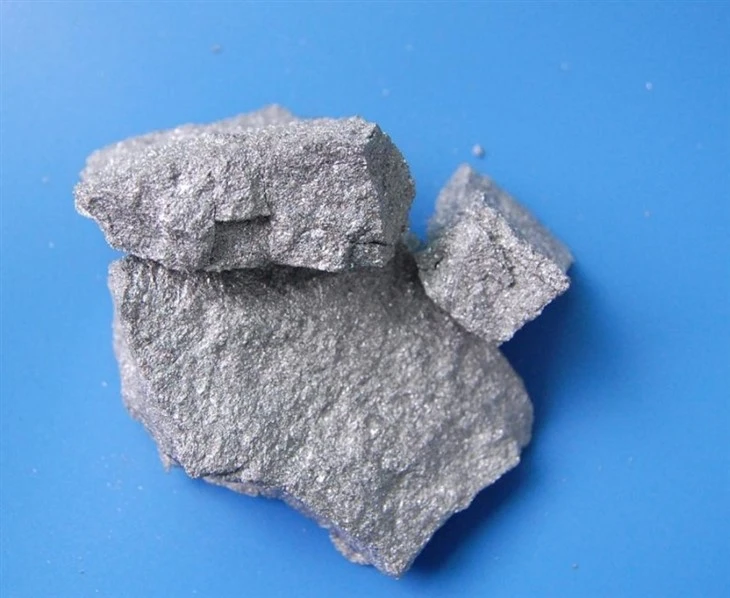
Cored wires are also used in the production of Ferrosilicon, Ferrochrome, and High Carbon Ferro Manganese, which are important alloying elements used in the steel industry.
Choosing the Right Cored Wire
Choosing the right cored wire for your application is essential to ensure optimal performance and quality. The following factors should be considered when selecting a cored wire:
Base Metal
The type of base metal you are welding or processing will determine the type of cored wire you need. Different base metals have different chemical compositions and mechanical properties, which require specific cored wires to achieve the desired results.
For example, if you are welding carbon steel, you may need a flux-cored wire that is specifically designed for carbon steel welding. If you are welding stainless steel, you may need a metal-cored wire that contains alloying elements such as chromium and nickel to improve the corrosion resistance of the weld.
Welding Process
The welding process you are using will also affect your choice of cored wire. Different welding processes have different requirements for the type of cored wire, such as the diameter, the type of flux or alloying elements, and the shielding gas.
For example, if you are using FCAW, you will need a self-shielded flux-cored wire that does not require an external shielding gas. If you are using GMAW, you will need a gas-shielded flux-cored wire or a metal-cored wire that requires an external shielding gas.
Application Requirements
The specific requirements of your application, such as the desired weld quality, the deposition rate, and the operating conditions, will also influence your choice of cored wire.
For example, if you need a high-quality weld with minimal defects, you may need a gas-shielded flux-cored wire or a metal-cored wire. If you need a high deposition rate to increase productivity, you may need a tubular cored wire or a metal-cored wire.
Contact Us for Your Cored Wires Needs
As a leading cored wires supplier, we offer a wide range of cored wires to meet the diverse needs of our customers. Our cored wires are manufactured using the latest technology and highest quality materials, ensuring consistent performance and reliability.
If you are interested in learning more about our cored wires or would like to discuss your specific requirements, please contact us today. Our team of experts will be happy to assist you in choosing the right cored wire for your application and provide you with a competitive quote.
References
- AWS Welding Handbook, Volume 2: Welding Processes, American Welding Society
- Welding Metallurgy and Weldability of Stainless Steels, John C. Lippold and David J. Kotecki
- The Science and Practice of Welding, John Norrish and Andrew N. Phillips