

Can brown aluminum oxide for refractory be recycled?
Hey there! As a supplier of Brown Aluminum Oxide for Refractory, I often get asked a really interesting question: "Can brown aluminum oxide for refractory be recycled?" Let's dig into this topic and find out the answers.
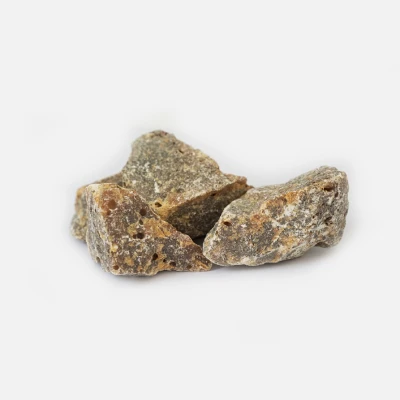
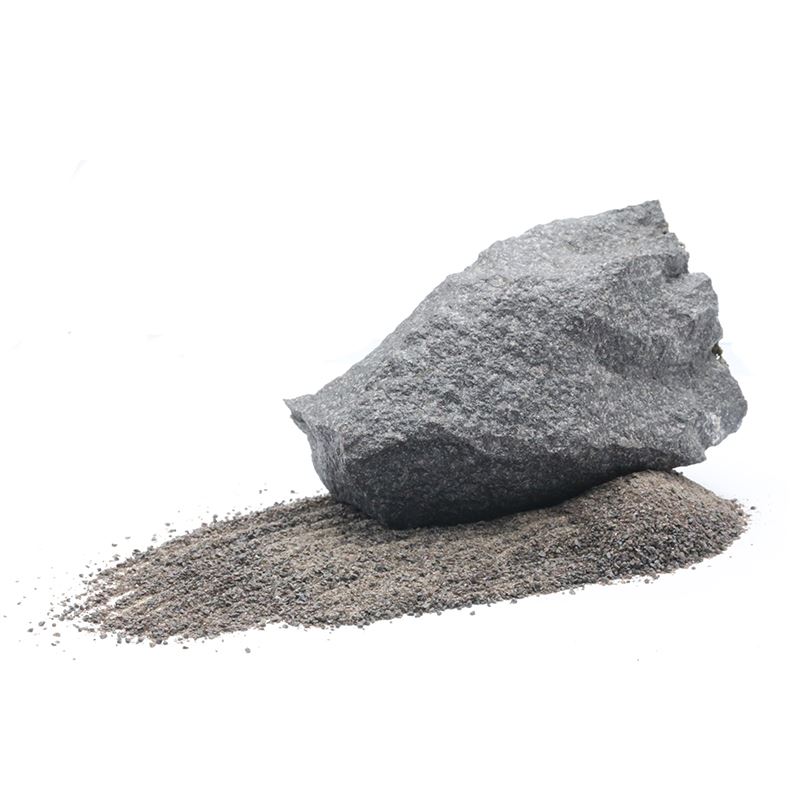
First off, let's talk a bit about what brown aluminum oxide for refractory is. It's a super important material in the refractory industry. Refractories are materials that can withstand high temperatures, and brown aluminum oxide plays a crucial role in making them. It has high hardness, good wear resistance, and excellent thermal stability. That's why it's widely used in various high - temperature applications, like in furnaces, kilns, and other industrial heating equipment.
Now, to answer the big question - yes, brown aluminum oxide for refractory can be recycled. And there are quite a few reasons why recycling it is a great idea.
The Benefits of Recycling Brown Aluminum Oxide for Refractory
1. Cost - Savings
Recycling brown aluminum oxide can save a ton of money. Producing new brown aluminum oxide from raw materials involves a complex and energy - intensive process. Mining bauxite, the main raw material for making brown aluminum oxide, is costly and environmentally impactful. Then comes the smelting process, which requires a huge amount of electricity. By recycling, we can skip a lot of these steps. For businesses using brown aluminum oxide in their refractory products, recycling means they can get the material at a lower cost, which in turn reduces their production costs.
2. Environmental Protection
Mining and processing raw materials for brown aluminum oxide can have a significant environmental impact. It can lead to deforestation, soil erosion, and water pollution. Recycling brown aluminum oxide helps to reduce the demand for new raw materials, which in turn lessens the environmental damage caused by mining. Also, the energy consumption in the recycling process is much lower compared to producing new brown aluminum oxide. This helps in reducing greenhouse gas emissions and contributes to a more sustainable environment.
3. Resource Conservation
The world's resources are finite, and bauxite is no exception. By recycling brown aluminum oxide, we can conserve this valuable resource. We can keep using the same material over and over again, extending its useful life and making the most of what we have.
The Recycling Process
The recycling process of brown aluminum oxide for refractory is a bit technical but very interesting. First, the used brown aluminum oxide from refractory products needs to be collected. This can be from industries that use refractory linings in their furnaces or kilns. Once collected, the material goes through a series of steps.
The first step is usually a cleaning process. The used brown aluminum oxide may be contaminated with other substances like slag, dirt, or other impurities. Cleaning can involve processes like washing, screening, and magnetic separation to remove these unwanted materials.
After cleaning, the brown aluminum oxide is then crushed and milled to the desired particle size. This is important because different refractory applications require different particle sizes of brown aluminum oxide. The crushed and milled material is then tested to ensure its quality meets the required standards. If it does, it can be reused in the production of new refractory products.
Challenges in Recycling
Of course, recycling brown aluminum oxide for refractory isn't all smooth sailing. There are some challenges that we need to deal with.
One of the main challenges is the quality control. The recycled brown aluminum oxide may have different properties compared to the new material. The recycling process can sometimes change the chemical composition or physical properties of the material. For example, the hardness or thermal stability may be affected. So, it's crucial to have strict quality control measures in place to ensure that the recycled material meets the requirements of the refractory products.
Another challenge is the collection and transportation of the used brown aluminum oxide. It may be scattered across different industries and locations. Coordinating the collection and transporting it to the recycling facility can be logistically difficult and costly.
Comparison with Other Refractory Materials
Let's take a quick look at how brown aluminum oxide for refractory compares to other refractory materials in terms of recycling. For example, Fused Magnesia Hs Code 25199010. Fused magnesia is also a popular refractory material. The recycling process of fused magnesia is different from that of brown aluminum oxide. Fused magnesia has its own set of challenges and benefits when it comes to recycling. It's often used in applications where high - temperature resistance and chemical stability are required, similar to brown aluminum oxide.
Then there's Tabular Alumina. Tabular alumina is another important refractory material. It has high purity and excellent thermal shock resistance. The recycling process of tabular alumina also involves some unique steps. However, like brown aluminum oxide, recycling tabular alumina also offers cost - saving and environmental benefits.
Our Role as a Supplier
As a supplier of Brown Aluminum Oxide for Refractory, we play a crucial role in promoting the recycling of this material. We work closely with our customers to collect used brown aluminum oxide. We have a well - established system for quality control to ensure that the recycled material meets the highest standards. We also invest in research and development to improve the recycling process and make it more efficient.
We believe that by promoting recycling, we can not only provide our customers with high - quality and cost - effective brown aluminum oxide but also contribute to a more sustainable future.
Contact for Purchase and Discussion
If you're interested in using brown aluminum oxide for refractory in your business, whether it's the new material or the recycled one, we'd love to hear from you. We can provide you with detailed information about our products, the recycling process, and how it can benefit your business. Feel free to reach out to us to start a discussion about your refractory material needs.
References
- "Refractory Materials and Their Applications" by John Smith
- "Sustainable Recycling of Industrial Minerals" by Emily Johnson
- "The Economics of Recycling in the Refractory Industry" by David Brown