

Can Fused Spinel be used in the pharmaceutical industry?
Fused spinel is a synthetic mineral with a wide range of industrial applications, primarily in the field of refractories due to its excellent thermal and chemical stability. As a supplier of fused spinel, I often receive inquiries about its potential uses in various industries. One question that has recently come up more frequently is whether fused spinel can be used in the pharmaceutical industry. In this blog post, I will explore this topic in depth, examining the properties of fused spinel, the requirements of the pharmaceutical industry, and the feasibility of using fused spinel in pharmaceutical applications.
Properties of Fused Spinel
Fused spinel is produced by fusing high - purity raw materials such as alumina and magnesia in an electric arc furnace at extremely high temperatures. The resulting product has several notable properties:
- High Thermal Stability: Fused spinel can withstand very high temperatures without significant deformation or degradation. This property makes it ideal for use in refractory applications where materials are exposed to intense heat, such as in steelmaking furnaces and cement kilns.
- Chemical Inertness: It is highly resistant to chemical attack from a wide range of substances, including acids, alkalis, and molten metals. This chemical stability ensures that fused spinel maintains its integrity in harsh chemical environments.
- Mechanical Strength: Fused spinel has good mechanical strength, which allows it to resist wear and abrasion. This property is crucial in applications where the material is subject to physical stress.
- Low Thermal Expansion: Its low coefficient of thermal expansion means that it does not expand or contract significantly with temperature changes. This characteristic helps to prevent cracking and spalling in high - temperature applications.
Requirements of the Pharmaceutical Industry
The pharmaceutical industry has strict requirements for the materials it uses. These requirements are mainly driven by concerns for patient safety, product quality, and regulatory compliance.
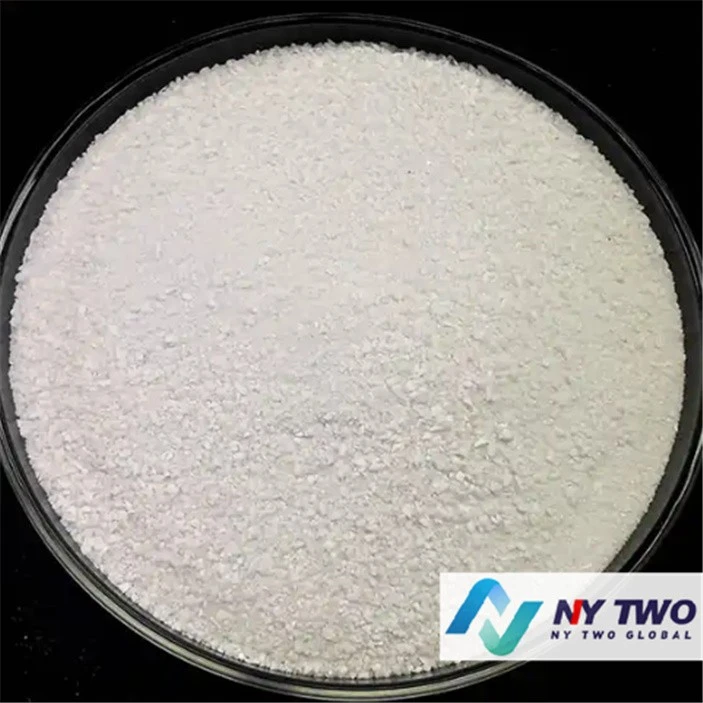
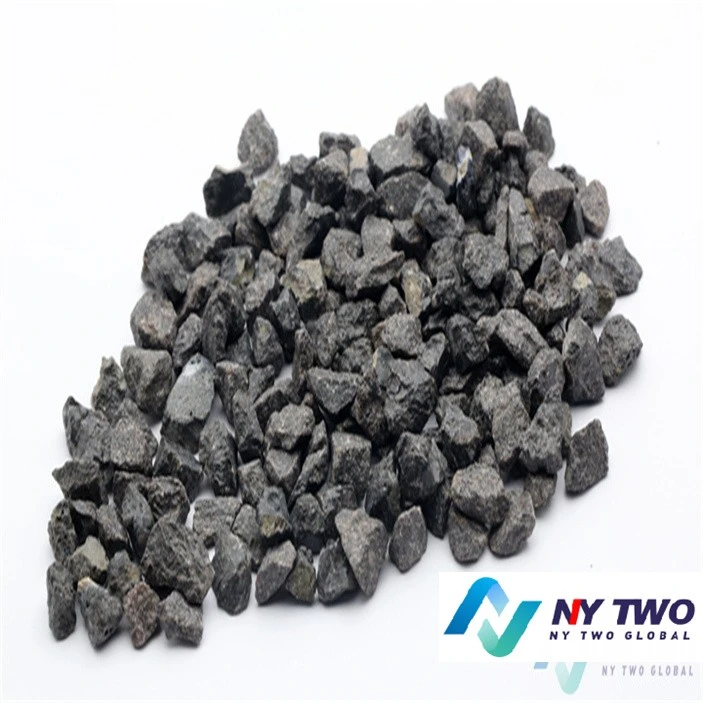
- Purity: Pharmaceutical materials must be of high purity to ensure that they do not introduce any contaminants or impurities into the final drug product. Even trace amounts of impurities can have a significant impact on the safety and efficacy of a pharmaceutical.
- Biocompatibility: Materials used in pharmaceuticals must be biocompatible, meaning they do not cause adverse reactions when in contact with living tissues. This is especially important for materials that come into direct contact with the human body, such as in drug delivery systems or medical devices.
- Regulatory Compliance: All materials used in the pharmaceutical industry must comply with relevant regulations and standards, such as those set by the Food and Drug Administration (FDA) in the United States or the European Medicines Agency (EMA) in Europe.
Feasibility of Using Fused Spinel in the Pharmaceutical Industry
Based on the properties of fused spinel and the requirements of the pharmaceutical industry, let's evaluate the feasibility of using fused spinel in pharmaceutical applications.
Purity
One of the key challenges in using fused spinel in the pharmaceutical industry is achieving the required level of purity. While fused spinel can be produced with high purity, the manufacturing process may introduce some impurities. These impurities could potentially pose a risk if they are released into the drug product. However, with advanced purification techniques, it may be possible to produce fused spinel with a purity level acceptable for pharmaceutical use. For example, additional refining steps can be incorporated into the production process to remove trace elements and contaminants.
Biocompatibility
There is limited research on the biocompatibility of fused spinel. However, considering its chemical inertness, it is possible that fused spinel could be biocompatible. In theory, its stable chemical structure should not cause significant interactions with biological systems. Nevertheless, extensive in - vitro and in - vivo studies would be required to confirm its biocompatibility. These studies would involve testing the material's effects on cells, tissues, and organisms to ensure that it does not cause any toxic or allergic reactions.
Regulatory Compliance
Meeting regulatory requirements is a significant hurdle for using fused spinel in the pharmaceutical industry. The regulatory agencies require comprehensive data on the safety, quality, and efficacy of any material used in pharmaceuticals. This includes data on the manufacturing process, purity, and biocompatibility. As a supplier, we would need to work closely with regulatory experts to develop a robust regulatory strategy and generate the necessary data to support the use of fused spinel in pharmaceutical applications.
Potential Applications of Fused Spinel in the Pharmaceutical Industry
If the challenges of purity, biocompatibility, and regulatory compliance can be overcome, fused spinel could have several potential applications in the pharmaceutical industry.
- Drug Delivery Systems: Fused spinel's mechanical strength and chemical stability could make it suitable for use in drug delivery systems. For example, it could be used as a carrier material for controlled - release drugs. The material could be engineered to release the drug at a specific rate and location in the body, improving the efficacy and safety of the drug.
- Medical Devices: Fused spinel's wear resistance and low thermal expansion properties could make it useful in the manufacture of medical devices. For instance, it could be used in the production of surgical instruments or implants, where its mechanical properties would help to ensure the longevity and reliability of the device.
- Pharmaceutical Packaging: The chemical inertness of fused spinel could make it an ideal material for pharmaceutical packaging. It could protect drugs from chemical degradation and contamination, thereby extending the shelf - life of the product.
Comparison with Other Materials
In the pharmaceutical industry, several other materials are commonly used. Let's compare fused spinel with some of these materials.
- Fused Alumina: Fused Alumina is another synthetic material with high thermal stability and chemical resistance. It is widely used in various industrial applications, including refractories. However, fused alumina may have different purity and biocompatibility profiles compared to fused spinel. Fused spinel's unique crystal structure and chemical composition may offer some advantages in certain pharmaceutical applications.
- Silicon Oxide Grinding Powder: Silicon Oxide Grinding Powder is often used in the pharmaceutical industry as an excipient or filler. It is known for its high purity and biocompatibility. While silicon oxide has different physical and chemical properties compared to fused spinel, both materials could potentially be used in complementary ways in pharmaceutical formulations.
- Silicon Carbide: Silicon Carbide is a hard and wear - resistant material with high thermal conductivity. It is commonly used in industrial applications such as abrasives and cutting tools. In the pharmaceutical industry, silicon carbide may not be as widely used as fused spinel due to its potential for chemical reactivity and lack of established biocompatibility data.
Conclusion
The use of fused spinel in the pharmaceutical industry is an area with both opportunities and challenges. While fused spinel has several desirable properties, such as high thermal stability, chemical inertness, and mechanical strength, it also faces significant hurdles in terms of purity, biocompatibility, and regulatory compliance.
If these challenges can be addressed through further research, development, and regulatory efforts, fused spinel could have a promising future in the pharmaceutical industry. It could be used in a variety of applications, including drug delivery systems, medical devices, and pharmaceutical packaging.
As a fused spinel supplier, we are committed to exploring the potential of this material in the pharmaceutical industry. We are willing to work with pharmaceutical companies, research institutions, and regulatory agencies to conduct the necessary studies and develop the required processes to make fused spinel a viable option for pharmaceutical applications.
If you are interested in learning more about fused spinel and its potential uses in the pharmaceutical industry, or if you are considering using fused spinel in your pharmaceutical products, please feel free to contact us for further discussion and potential procurement. We look forward to the opportunity to collaborate with you and contribute to the advancement of the pharmaceutical industry.
References
- ASTM International. (20XX). Standard specifications for refractory materials.
- European Pharmacopoeia. (20XX). General requirements for pharmaceutical substances and excipients.
- Food and Drug Administration. (20XX). Guidance for industry on the use of materials in pharmaceutical products.