

What are the transportation precautions for refractory materials?
Hey there! As a refractory supplier, I've seen firsthand how crucial proper transportation is for these materials. Refractory materials are used in a wide range of industries, from steelmaking to glass production, and they need to be transported safely and securely to maintain their quality. In this blog, I'll share some transportation precautions for refractory materials that you should keep in mind.
Understanding Refractory Materials
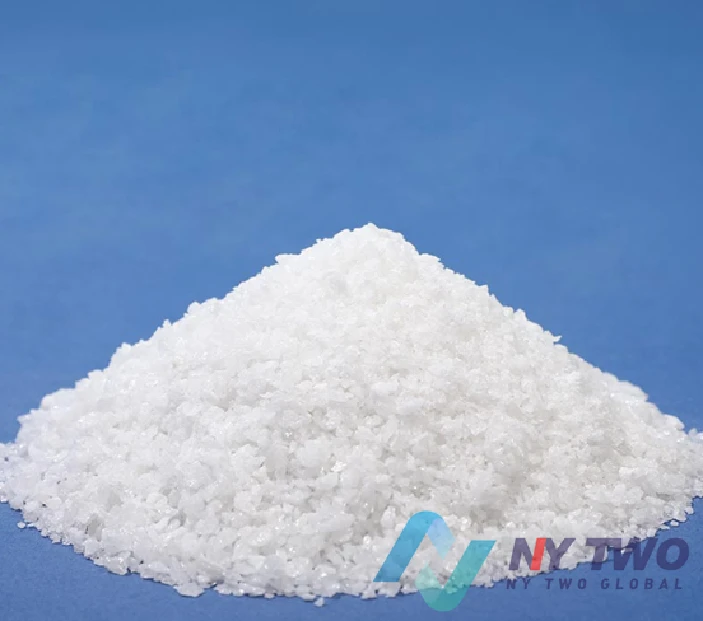
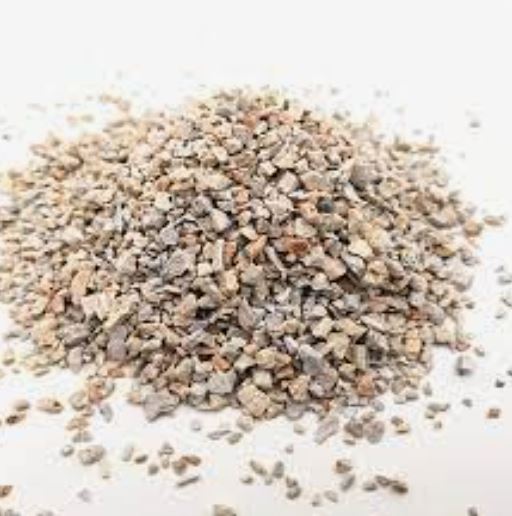
Before we dive into the transportation precautions, let's quickly go over what refractory materials are. Refractory materials are heat-resistant substances that can withstand high temperatures, making them ideal for use in environments where extreme heat is present. Some common types of refractory materials include High Alumina Rotary Kiln Bauxite Ai2O3 90%, Fused Mullite, and Fused Spinel.
These materials come in various forms, such as bricks, castables, and monolithics, and each type has its own unique properties and requirements. Understanding the specific characteristics of the refractory materials you're transporting is the first step in ensuring their safe arrival.
Packaging and Labeling
One of the most important transportation precautions for refractory materials is proper packaging. The packaging should be designed to protect the materials from damage during transit. For example, refractory bricks should be packed in sturdy pallets or crates to prevent them from chipping or breaking. Castables and monolithics should be stored in sealed containers to prevent moisture from getting in, which can affect their performance.
In addition to proper packaging, clear labeling is also essential. Each package should be labeled with the type of refractory material, its quantity, and any special handling instructions. This helps the transportation personnel to handle the materials correctly and ensures that they are delivered to the right place.
Handling and Loading
When it comes to handling and loading refractory materials, it's important to use the right equipment and techniques. Forklifts, cranes, and other handling equipment should be in good working condition and operated by trained personnel. Rough handling can cause damage to the materials, so it's important to be gentle when moving them.
During loading, the materials should be arranged in a way that maximizes space utilization while also ensuring their stability. Heavy items should be placed at the bottom, and lighter items on top. This helps to prevent the materials from shifting during transit, which can lead to damage.
Transportation Mode
The choice of transportation mode can also have a significant impact on the safety of refractory materials. Depending on the distance, quantity, and urgency of the delivery, you can choose between road, rail, sea, or air transportation.
- Road Transportation: Road transportation is often the most convenient option for short to medium distances. It offers flexibility in terms of pick-up and delivery locations. However, it's important to choose a reliable carrier with experience in transporting refractory materials. The trucks should be equipped with proper suspension systems to minimize vibrations, which can damage the materials.
- Rail Transportation: Rail transportation is suitable for long-distance shipments of large quantities of refractory materials. It is generally more cost-effective than road transportation and can handle heavy loads. However, the transit time may be longer, and there may be additional handling involved at the loading and unloading points.
- Sea Transportation: Sea transportation is the preferred option for international shipments. It can accommodate large volumes of materials at a relatively low cost. However, it's important to choose a shipping line that has a good track record in handling refractory materials. The containers should be properly sealed and secured to prevent water damage and shifting during the voyage.
- Air Transportation: Air transportation is the fastest option but also the most expensive. It is usually used for urgent shipments of small quantities of high-value refractory materials. The short transit time reduces the risk of damage due to long exposure to environmental factors.
Environmental Factors
Refractory materials are sensitive to environmental factors such as temperature, humidity, and moisture. Extreme temperatures can cause the materials to expand or contract, which can lead to cracks and other damage. High humidity and moisture can also affect the performance of the materials, especially castables and monolithics.
During transportation, it's important to take steps to protect the materials from these environmental factors. For example, if the materials are being transported in a hot climate, they should be insulated to prevent overheating. In a humid environment, moisture-resistant packaging should be used.
Insurance
No matter how many precautions you take, there is always a risk of damage or loss during transportation. That's why it's important to have adequate insurance coverage for your refractory materials. Make sure to choose an insurance policy that covers all the potential risks associated with transportation, including damage, theft, and natural disasters.
Monitoring and Tracking
Once the refractory materials are on their way, it's important to monitor and track their progress. Many transportation companies offer tracking services that allow you to keep an eye on the location and status of your shipment. This helps you to anticipate any potential issues and take appropriate action if necessary.
Unloading and Storage
When the refractory materials arrive at their destination, proper unloading and storage are just as important as transportation. The materials should be unloaded carefully using the same handling techniques as during loading. After unloading, they should be stored in a dry, clean, and well-ventilated area.
Refractory bricks should be stacked in a stable manner to prevent them from toppling over. Castables and monolithics should be stored in a temperature-controlled environment to maintain their quality.
Quality Inspection
Before using the refractory materials, it's important to conduct a quality inspection. Check for any signs of damage, such as cracks, chips, or moisture. If any issues are found, contact the transportation company or the supplier immediately to resolve the problem.
Conclusion
Transporting refractory materials safely requires careful planning and attention to detail. By following these transportation precautions, you can minimize the risk of damage and ensure that your refractory materials arrive at their destination in good condition.
If you're in the market for high-quality refractory materials, I'd love to have a chat with you. Whether you need High Alumina Rotary Kiln Bauxite Ai2O3 90%, Fused Mullite, or Fused Spinel, I can provide you with the best products and solutions. Don't hesitate to reach out for a purchase negotiation.
References
- "Handbook of Refractory Technology"
- Industry standards and guidelines for refractory material transportation