

Can I buy alloy directly from the manufacturer?
As a seasoned supplier in the alloy industry, I often get asked the question: "Can I buy alloy directly from the manufacturer?" This is a query that many potential alloy buyers have, and it's crucial to understand the ins and outs of this process. In this blog, I'll share my insights based on my experience as a Buy Alloy supplier, exploring the possibilities, benefits, and considerations of purchasing alloy directly from manufacturers.
The Advantages of Buying Alloy Directly from the Manufacturer
One of the primary benefits of buying alloy directly from the manufacturer is cost savings. When you cut out the middleman, you can potentially get a better price for the alloy. Manufacturers often offer lower prices because they don't have to add the mark - up that distributors or resellers typically apply. This can be especially beneficial for large - scale buyers who are looking to save on their procurement costs.
Another advantage is the ability to have more direct communication with the source. You can discuss your specific requirements, such as the composition, quantity, and quality standards of the alloy, directly with the people who are producing it. This direct line of communication can lead to more customized products that precisely meet your needs. For example, if you need an Alloy Material: Aluminum Alloy with a specific ratio of elements for a particular application, the manufacturer can work with you to develop the right alloy.
Direct purchasing also allows for greater transparency in the production process. You can visit the manufacturing facility, if possible, to see how the alloy is being made. This gives you an opportunity to assess the quality control measures in place and ensure that the production meets your standards. You can also get real - time updates on the production progress, which is essential for planning your own operations.
Challenges of Buying Directly from the Manufacturer
However, there are also some challenges associated with buying alloy directly from the manufacturer. One of the main issues is the minimum order quantity (MOQ). Manufacturers often have a set MOQ to make the production process economically viable. This can be a problem for small - scale buyers who may not need large quantities of alloy at once. If you can't meet the MOQ, you may have to look for alternative sources or consider partnering with other buyers to pool your orders.
Another challenge is the logistics and shipping. Manufacturers may not have an established distribution network like large - scale distributors. This means that you may have to handle the shipping arrangements yourself, which can be complex and costly, especially for international orders. You'll need to consider factors such as customs regulations, shipping insurance, and delivery times.
Types of Alloys and Their Manufacturers
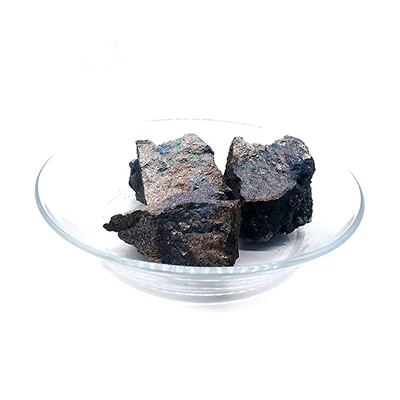
There are various types of alloys available in the market, each with its own set of manufacturers. For instance, High Carbon Ferro Manganese is a widely used alloy in the steel industry. It is produced by several manufacturers around the world, and each may have different production capabilities and quality standards. When looking to buy this alloy directly from the manufacturer, you need to do your research to find a reliable and reputable producer.
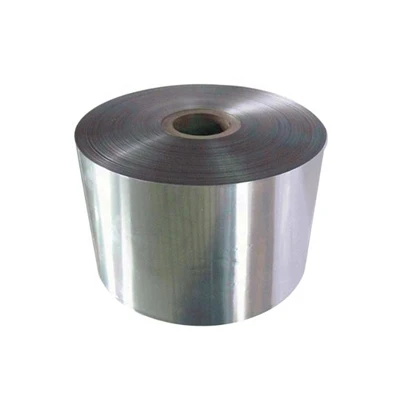
High Thermal Conductivity Aluminum Alloy is another important alloy, especially in industries such as electronics and automotive. The demand for this alloy has been increasing due to its excellent thermal properties. When dealing with the manufacturers of this alloy, you need to ensure that they can provide the required specifications and quality.
How to Find the Right Manufacturer
Finding the right alloy manufacturer is crucial for a successful direct purchase. Here are some steps you can take:
1. Research
Start by conducting thorough research online. Look for manufacturers who specialize in the type of alloy you need. Check their websites, read customer reviews, and look for any industry certifications they may have. This will give you an idea of their reputation and the quality of their products.
2. Attend Trade Shows
Trade shows are a great place to meet alloy manufacturers in person. You can see their products, talk to their representatives, and get a better understanding of their capabilities. You can also network with other buyers and industry experts to get recommendations.
3. Request Samples
Before placing a large order, it's a good idea to request samples from the manufacturers. This will allow you to test the quality of the alloy and ensure that it meets your requirements. You can also compare samples from different manufacturers to choose the best one.
4. Negotiate Terms
Once you've found a potential manufacturer, start negotiating the terms of the purchase. This includes the price, delivery time, payment terms, and any other relevant conditions. Be clear about your expectations and try to get the best deal possible.
Case Studies
Let's look at a couple of case studies to illustrate the process of buying alloy directly from the manufacturer.
Case Study 1: A Small - Scale Electronics Manufacturer
A small - scale electronics manufacturer needed a High Thermal Conductivity Aluminum Alloy for their new product line. They initially considered buying from a distributor but found the prices to be too high. After some research, they found a small - to - medium - sized manufacturer who was willing to work with them despite their relatively small order quantity. The manufacturer worked closely with the electronics company to develop an alloy that met their specific thermal conductivity requirements. By buying directly from the manufacturer, the electronics company was able to save on costs and get a customized product.
Case Study 2: A Large - Scale Steel Producer
A large - scale steel producer needed a significant amount of High Carbon Ferro Manganese for their steelmaking process. They decided to buy directly from a well - established manufacturer. They were able to negotiate favorable prices due to their large order volume. The direct communication with the manufacturer also allowed them to ensure a consistent supply of high - quality alloy, which was crucial for maintaining the quality of their steel products.
Conclusion
In conclusion, buying alloy directly from the manufacturer is a viable option with both advantages and challenges. While it can offer cost savings, customization, and transparency, it also requires careful consideration of factors such as minimum order quantities and logistics. As a Buy Alloy supplier, I encourage potential buyers to do their due diligence in finding the right manufacturer, negotiating favorable terms, and ensuring that the alloy meets their quality requirements.
If you're interested in purchasing alloy and would like to explore the possibility of buying directly from manufacturers, I'd be more than happy to assist you. I have extensive experience in the alloy industry and can help you navigate the process, find reliable manufacturers, and negotiate the best deals. Don't hesitate to reach out to start the procurement discussion.
References
- Industry reports on alloy manufacturing and procurement
- Interviews with alloy manufacturers and buyers
- Trade show materials and presentations related to the alloy industry