

What are the effects of Ferro Silicon on the surface finish of metals?
Hey there! As a ferro silicon supplier, I've seen firsthand how this nifty alloy can have a big impact on the surface finish of metals. In this blog, I'm gonna break down the effects of ferro silicon on metal surfaces and why it's a game - changer in the metalworking industry.
What is Ferro Silicon Anyway?
Ferro silicon is an alloy made up of iron and silicon. The silicon content can range anywhere from 15% to 90%. It's produced in electric arc furnaces by reducing silica sand with coke in the presence of iron. This alloy is widely used in the steel and iron industries, and it plays a crucial role in metal production processes.
How Ferro Silicon Affects Surface Finish
1. Deoxidation
One of the main ways ferro silicon affects the surface finish of metals is through deoxidation. When metals are melted, they tend to absorb oxygen, which can lead to the formation of oxides on the surface. These oxides can cause a rough and uneven finish. Ferro silicon acts as a powerful deoxidizer. When added to molten metal, it reacts with the oxygen to form silicon dioxide, which can then be easily removed. This results in a cleaner, smoother surface. For example, in the production of Magnesium Alloy, proper deoxidation with ferro silicon can prevent the formation of magnesium oxide on the surface, giving it a more polished look.
2. Grain Refinement
Ferro silicon also helps in grain refinement. The grain structure of a metal greatly influences its surface finish. Fine - grained metals generally have a smoother and more uniform surface compared to coarse - grained ones. When ferro silicon is added to molten metal, it acts as a nucleating agent. It provides sites for the formation of new grains, which leads to a finer grain structure. In the case of steel production, a finer grain structure not only improves the mechanical properties of the steel but also gives it a better surface finish, making it more suitable for applications where appearance matters.
3. Desulfurization
Sulfur is another impurity in metals that can have a negative impact on the surface finish. High sulfur content can cause hot shortness, which means the metal becomes brittle at high temperatures and can develop cracks on the surface during processing. Ferro silicon can react with sulfur in the molten metal to form iron sulfide and silicon sulfide. These sulfides can be removed from the metal, reducing the sulfur content and improving the surface quality. For instance, in the manufacturing of Alloy Material: Aluminum Alloy, desulfurization with ferro silicon can prevent surface cracking and give the alloy a more consistent finish.
4. Improving Weldability
In metal fabrication, welding is a common process. The surface finish of welded joints is crucial for both aesthetic and functional reasons. Ferro silicon can improve the weldability of metals. It reduces the formation of slag and porosity in the weld, which can cause a rough and uneven surface. By improving the fluidity of the molten metal during welding, ferro silicon helps in creating a smooth and clean weld bead. This is especially important in industries where high - quality welds are required, such as the automotive and aerospace industries.
Real - World Examples
Let's take a look at some real - world scenarios where ferro silicon has made a difference in the surface finish of metals.
In the production of stainless steel, which is widely used in kitchen appliances and architectural applications, ferro silicon is added during the melting process. The deoxidation and grain refinement properties of ferro silicon result in a stainless steel with a mirror - like finish. This not only enhances the appearance of the products but also makes them more resistant to corrosion.
Another example is in the casting of iron parts. Iron castings are used in various industries, from machinery to construction. By using ferro silicon as a deoxidizer and desulfurizer, foundries can produce iron castings with a smooth surface finish, reducing the need for extensive post - processing. This saves time and money in the production process.
Comparing with Other Alloys
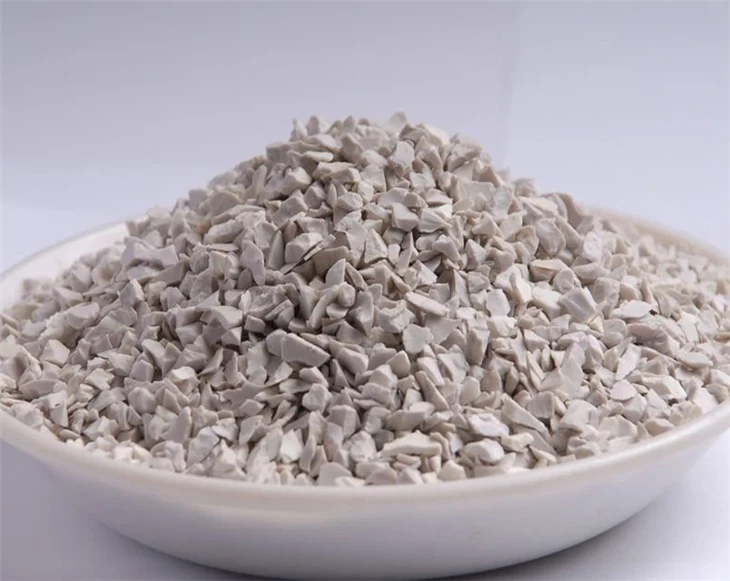
There are other alloys and additives used in the metal industry for improving surface finish. For example, Mullite Factory in Shanxi Province produces mullite, which is sometimes used as a refractory material in metal processing. However, ferro silicon offers unique advantages. It is relatively inexpensive compared to some other high - performance alloys. It also has a wide range of applications and can be used in different types of metals, from steel to non - ferrous metals.
Factors Affecting the Effectiveness of Ferro Silicon
The effectiveness of ferro silicon in improving the surface finish of metals depends on several factors.
1. Silicon Content
As mentioned earlier, the silicon content in ferro silicon can vary. The optimal silicon content depends on the type of metal and the specific application. For example, in some steels, a higher silicon content may be required for better deoxidation, while in other metals, a lower silicon content may be sufficient.
2. Addition Method
The way ferro silicon is added to the molten metal also matters. It should be added at the right time and in the right manner to ensure uniform distribution. If it is not added properly, it may not be able to react effectively with the impurities in the metal, leading to a less - than - ideal surface finish.
3. Metal Composition
The composition of the base metal plays a crucial role. Different metals have different chemical properties and react differently with ferro silicon. For example, non - ferrous metals may require a different approach compared to ferrous metals when using ferro silicon for surface finish improvement.
Conclusion
In conclusion, ferro silicon is a versatile and powerful alloy that can have a significant impact on the surface finish of metals. Its deoxidation, grain refinement, desulfurization, and weldability - improving properties make it an essential ingredient in the metalworking industry. Whether you're producing high - end stainless steel products or simple iron castings, ferro silicon can help you achieve a better surface finish.
If you're in the metal production or fabrication business and are looking for a reliable ferro silicon supplier, I'd love to have a chat with you. We have a wide range of ferro silicon products to meet your specific needs. Reach out to us for more information and let's start a conversation about how we can improve the surface finish of your metal products together.
References
- "The Handbook of Metal Casting" by John Campbell
- "Ferrous Metallurgy: Theory and Practice" by Oleg D. Neikov