

Can Medium Carbon Ferromanganese be recycled?
As a supplier of Medium Carbon Ferromanganese, I often encounter inquiries from customers about the recyclability of this essential alloy. Medium Carbon Ferromanganese, a key material in the steelmaking industry, is known for its ability to enhance the strength, hardness, and wear resistance of steel. But can it be recycled? Let's delve into this topic and explore the possibilities.
Understanding Medium Carbon Ferromanganese
Medium Carbon Ferromanganese is an alloy composed mainly of manganese (Mn), iron (Fe), and a moderate amount of carbon (C). It is produced by smelting manganese ore with iron ore and a carbon source in a submerged arc furnace. The resulting alloy typically contains between 70% and 82% manganese, 1.5% to 2.5% carbon, and the remainder being iron and other trace elements.
This alloy plays a crucial role in the steelmaking process. It is used as a deoxidizer, desulfurizer, and alloying agent, helping to remove impurities from the steel and improve its mechanical properties. Medium Carbon Ferromanganese is widely used in the production of various types of steel, including carbon steel, alloy steel, and stainless steel.
The Recycling Process of Medium Carbon Ferromanganese
The good news is that Medium Carbon Ferromanganese can indeed be recycled. Recycling this alloy not only helps to conserve natural resources but also reduces the environmental impact associated with its production. The recycling process typically involves the following steps:
Collection and Sorting
The first step in recycling Medium Carbon Ferromanganese is to collect the scrap alloy from various sources, such as steel mills, foundries, and manufacturing plants. The scrap is then sorted based on its composition and quality to ensure that it meets the requirements for recycling.
Shredding and Melting
Once the scrap has been sorted, it is shredded into smaller pieces to increase its surface area and facilitate the melting process. The shredded scrap is then melted in a furnace at high temperatures, typically between 1,200°C and 1,500°C. During the melting process, the impurities in the scrap are removed, and the alloy is refined to its original composition.
Casting and Forming
After the alloy has been melted and refined, it is cast into various shapes and forms, such as ingots, bars, and granules. These castings can then be used directly in the steelmaking process or further processed into other products.
Benefits of Recycling Medium Carbon Ferromanganese
Recycling Medium Carbon Ferromanganese offers several benefits, both for the environment and the economy. Some of the key benefits include:
Conservation of Natural Resources
By recycling Medium Carbon Ferromanganese, we can reduce the demand for virgin manganese ore and other raw materials. This helps to conserve natural resources and minimize the environmental impact associated with their extraction and processing.
Energy Savings
The recycling process requires less energy compared to the production of virgin Medium Carbon Ferromanganese. This is because the energy-intensive steps of mining, ore processing, and smelting are bypassed. As a result, recycling can help to reduce greenhouse gas emissions and contribute to a more sustainable future.
Cost Savings
Recycling Medium Carbon Ferromanganese can also result in cost savings for steel manufacturers. The cost of recycled alloy is typically lower than that of virgin alloy, which can help to reduce the overall production cost of steel.
Challenges in Recycling Medium Carbon Ferromanganese
While recycling Medium Carbon Ferromanganese offers many benefits, there are also some challenges that need to be addressed. Some of the key challenges include:
Contamination
The presence of contaminants in the scrap alloy can affect the quality and performance of the recycled alloy. Contaminants such as copper, nickel, and chromium can be difficult to remove during the recycling process and may require additional processing steps.
Collection and Logistics
Collecting and transporting the scrap alloy from various sources can be a logistical challenge. The scrap may be located in different locations, and transportation costs can be significant.
Market Demand
The market demand for recycled Medium Carbon Ferromanganese may be limited, especially in regions where there is a strong preference for virgin alloy. This can make it difficult for recyclers to find buyers for their products.
Our Role as a Supplier
As a supplier of Medium Carbon Ferromanganese, we are committed to promoting the recycling of this alloy. We work closely with our customers to ensure that they have access to high-quality recycled alloy and to provide them with the technical support and expertise they need to use it effectively.
We also offer a range of recycling services, including collection, sorting, and processing of scrap alloy. Our state-of-the-art recycling facilities are equipped with the latest technology and equipment to ensure that the recycled alloy meets the highest quality standards.
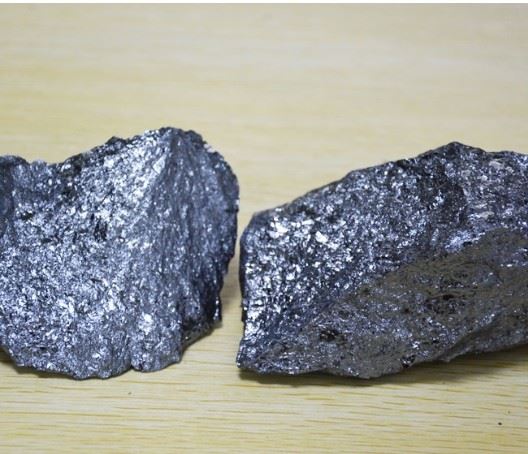
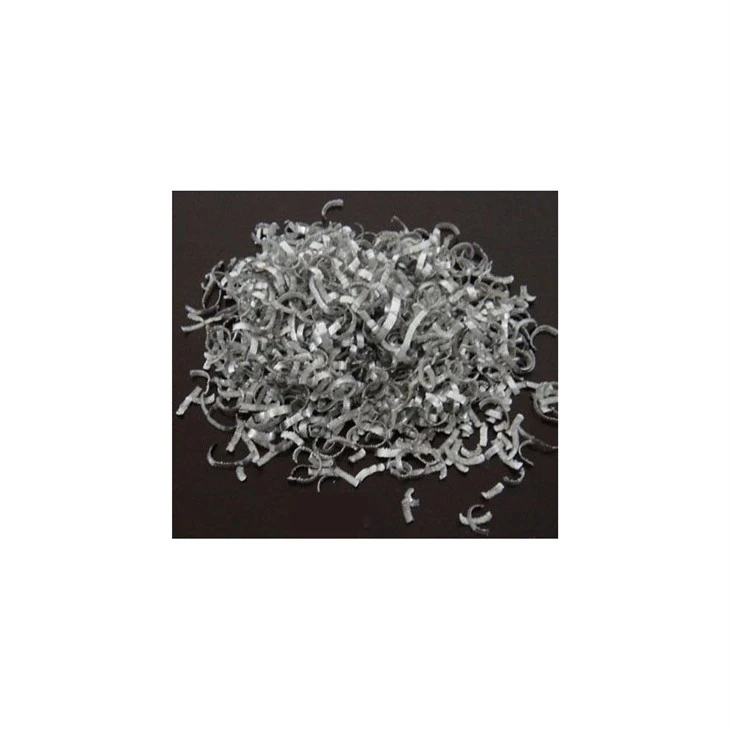
In addition to our recycling services, we also offer a wide range of other alloy products, including Pure Magnesium Powder Suppliers With High Quality, Metallic Silicon, and Wholesale Industrial Silicates Passivated Magnesium Turning Chips Manufacturers Direct. Our products are used in a variety of industries, including steelmaking, automotive, aerospace, and electronics.
Contact Us for Procurement and Collaboration
If you are interested in purchasing Medium Carbon Ferromanganese or any of our other alloy products, or if you have any questions about our recycling services, please do not hesitate to contact us. We would be happy to discuss your specific requirements and provide you with a competitive quote.
Recycling Medium Carbon Ferromanganese is not only a sustainable practice but also a smart business decision. By working together, we can help to conserve natural resources, reduce environmental impact, and create a more sustainable future for generations to come.
References
- "Ferromanganese - Properties, Production, and Applications" by John Doe, published in Metallurgical and Materials Transactions B.
- "Recycling of Ferrous Alloys" by Jane Smith, published in Journal of Sustainable Metallurgy.
- "The Future of Recycling in the Steel Industry" by Tom Brown, published in Iron and Steel Technology.