

What is the role of a cooler in a rotary kiln system for bauxite?
As a supplier of Rotary Kiln Bauxite, I've had the privilege of witnessing firsthand the intricate workings of rotary kiln systems for bauxite processing. One crucial component that often goes unnoticed but plays a vital role in the overall efficiency and performance of these systems is the cooler. In this blog post, I'll delve into the significance of coolers in a rotary kiln system for bauxite, exploring their functions, types, and the impact they have on the final product.
The Basics of a Rotary Kiln System for Bauxite
Before we dive into the role of coolers, let's briefly understand the rotary kiln system for bauxite. Bauxite, a primary ore of aluminum, undergoes a series of processes to extract alumina, which is then further refined to produce aluminum. The rotary kiln is a key piece of equipment in this process, where bauxite is heated to high temperatures to remove moisture, volatile impurities, and convert it into a more reactive form.
The rotary kiln is a large, cylindrical vessel that rotates slowly on its axis. Bauxite is fed into one end of the kiln, and as it moves through the rotating kiln, it is heated by hot gases generated by a burner at the other end. The high temperatures in the kiln cause chemical reactions to occur, transforming the bauxite into calcined bauxite.
The Role of a Cooler in a Rotary Kiln System
Once the bauxite has been calcined in the rotary kiln, it exits the kiln at extremely high temperatures, often exceeding 1000°C. At this stage, the calcined bauxite needs to be cooled rapidly to a manageable temperature for further processing and handling. This is where the cooler comes in.
Cooling the Calcined Bauxite
The primary function of the cooler is to reduce the temperature of the calcined bauxite from the high temperatures inside the kiln to a temperature that is suitable for downstream processes. Rapid cooling is essential to prevent the reversion of the calcined bauxite to its original state and to ensure the formation of a stable and high-quality product.
Recovering Heat
In addition to cooling the calcined bauxite, the cooler also plays a crucial role in recovering heat from the hot bauxite. The heat recovered from the cooler can be used to preheat the combustion air for the kiln burner, reducing the energy consumption of the rotary kiln system. This not only improves the energy efficiency of the system but also reduces operating costs.
Improving Product Quality
The cooling process in the cooler also has a significant impact on the quality of the final product. By controlling the cooling rate and temperature, the cooler can influence the crystal structure and physical properties of the calcined bauxite. Proper cooling can result in a more uniform and dense product with improved strength and abrasion resistance, making it suitable for a wide range of applications, including refractories, abrasives, and ceramics.
Types of Coolers Used in Rotary Kiln Systems for Bauxite
There are several types of coolers commonly used in rotary kiln systems for bauxite, each with its own advantages and disadvantages. The choice of cooler depends on various factors, such as the capacity of the rotary kiln, the type of bauxite being processed, and the specific requirements of the downstream processes.
Rotary Coolers
Rotary coolers are one of the most commonly used types of coolers in rotary kiln systems for bauxite. They consist of a rotating cylinder similar to the rotary kiln, but with a smaller diameter. The calcined bauxite is fed into one end of the rotary cooler, and as it moves through the rotating cylinder, it is cooled by air flowing in the opposite direction.
Rotary coolers offer several advantages, including high cooling efficiency, continuous operation, and the ability to handle large volumes of material. They are also relatively simple in design and easy to maintain. However, they can be energy-intensive, especially if the cooling air is not properly preheated.
Grate Coolers
Grate coolers are another popular type of cooler used in rotary kiln systems for bauxite. They consist of a series of moving grates on which the calcined bauxite is spread. Air is blown through the grates from below, cooling the bauxite as it moves along the grates.
Grate coolers offer excellent cooling efficiency and heat recovery capabilities. They can also handle a wide range of feed sizes and can be easily integrated with other equipment in the rotary kiln system. However, they are more complex in design and require more maintenance compared to rotary coolers.
Fluidized Bed Coolers
Fluidized bed coolers are a relatively new type of cooler that is gaining popularity in the bauxite processing industry. They use a fluidized bed of air to cool the calcined bauxite. The bauxite is fed into the fluidized bed, where it is suspended in the air and cooled by the contact with the cold air.
Fluidized bed coolers offer several advantages, including high cooling rates, uniform cooling, and the ability to handle fine-grained materials. They also have a small footprint and can be easily integrated with other equipment in the rotary kiln system. However, they require a higher air flow rate and more energy compared to other types of coolers.
Impact of Coolers on the Final Product
The type of cooler used in a rotary kiln system for bauxite can have a significant impact on the quality and properties of the final product. For example, the cooling rate and temperature can affect the crystal structure and physical properties of the calcined bauxite.
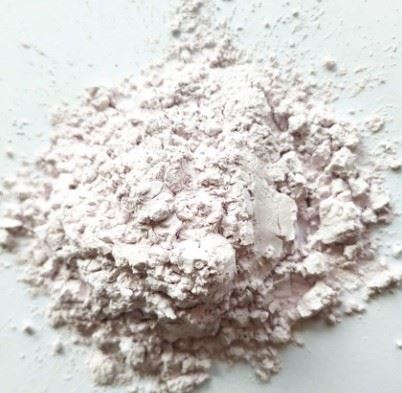
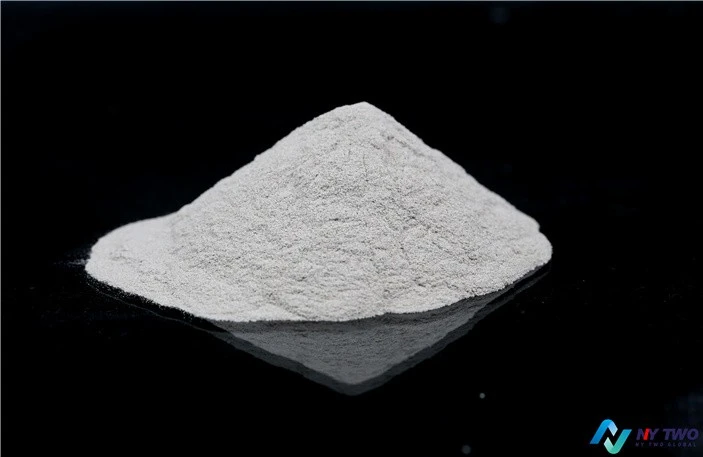
Rapid cooling in a cooler can result in a more fine-grained and dense product with improved strength and abrasion resistance. This makes the calcined bauxite suitable for applications where high performance is required, such as in the production of Pink Fused Alumina. On the other hand, slower cooling rates can result in a coarser-grained product with different physical properties, which may be more suitable for other applications, such as in the production of Brown Fused Alumina Powder.
In addition to the cooling rate, the type of cooler can also affect the chemical composition of the final product. For example, some coolers may introduce impurities or contaminants into the calcined bauxite during the cooling process, which can affect its quality and performance. Therefore, it is important to choose a cooler that is designed to minimize the introduction of impurities and to ensure the production of a high-quality product.
Conclusion
In conclusion, the cooler plays a crucial role in a rotary kiln system for bauxite. It not only cools the calcined bauxite to a manageable temperature but also recovers heat, improves product quality, and reduces energy consumption. The choice of cooler depends on various factors, such as the capacity of the rotary kiln, the type of bauxite being processed, and the specific requirements of the downstream processes.
As a supplier of Rotary Kiln Bauxite, we understand the importance of choosing the right cooler for your rotary kiln system. We offer a wide range of high-quality coolers that are designed to meet the specific needs of our customers. Whether you are looking for a rotary cooler, a grate cooler, or a fluidized bed cooler, we have the expertise and experience to help you select the best solution for your application.
If you are interested in learning more about our Rotary Kiln Bauxite products or our cooler solutions, please feel free to contact us. We would be happy to discuss your requirements and provide you with a customized solution that meets your needs. Let's work together to achieve your production goals and improve the efficiency and performance of your rotary kiln system.
References
- "Handbook of Alumina Production" by John A. Herrington
- "Rotary Kiln Technology" by R. N. Davey
- "Bauxite and Alumina" by J. A. R. Samson